Are You a Thermostat or a Thermometer?
Show notes
This week I found myself thinking about how often we expect things to feel easier than they do.
You sit down to start something, and when it feels harder than you expected, your brain immediately starts making it mean something. Maybe that you’re behind, or that you should be more focused, or that something’s wrong.
I see this happen all the time with accountants. The work isn’t always the problem — it’s the expectation that it should feel smooth and easy all the time.
So this week I’ve been thinking about what changes when you stop expecting it to feel easy, and instead just allow it to feel however it feels.
One small thing you might try is reminding yourself, “It’s okay that this feels hard.” Sometimes that’s all your brain needs to keep going.
Before we get into today’s episode, I want to let you know about something I’ve been doing each month.
I’ve started offering free 30-minute masterclasses on the second Friday of every month, and they’ve been such a great way to go a little deeper into the topics I talk about here on the podcast.
This month’s topic is “What To Do When You Lose Momentum,” which is something I know so many accountants struggle with — that feeling of starting strong and then getting stuck or thrown off track.
If you’re a fan of the podcast, you’ll really love these masterclasses. It’s the same kind of conversation, just a little more focused and interactive.
If you’re already on my email list, you’ll see the registration come through your inbox.
And if you’re not on my email list yet, you can just email me at dawn@thesmarteraccountant.com and I’ll make sure you get all the details for this month and future masterclasses.
And with that, let’s get into today’s episode…
Today’s topic matters because so many accountants feel stuck, even when they are smart, capable, and fully aware of what’s not working. If you’ve ever thought, “I know this needs to change,” but nothing actually changes, you’re not alone.
There’s a big difference between noticing how things are and deciding to do something about it. One keeps you aware, and the other helps you move forward.
Most of us are really good at seeing when something feels off. We can tell when we’re stressed, overwhelmed, behind, or frustrated, and we can often explain exactly why.
But knowing how things feel doesn’t always lead to different choices. Sometimes we stay in the same patterns, even when we clearly see they aren’t helping us.
The truth is, it can feel confusing when you’re aware of a problem but still feel stuck in it. You might wonder why insight alone doesn’t seem to create real change.
This is especially true for accountants who care a lot about doing a good job. You may notice what’s wrong, want things to feel better, and still find yourself repeating the same habits.
The thing is, it’s easy to assume that if we understand a problem, the solution should come naturally. But real life doesn’t always work that way.
Sometimes we believe that being aware is the same as being in control. Yet awareness without action can start to feel frustrating over time.
In other words, you might find yourself saying, “I know better,” but feeling like you’re not doing better. That gap between knowing and doing can feel discouraging, even when you’re trying your best.
This episode is about a simple idea that can help explain why some people stay stuck while others make changes. It’s not about being perfect, working harder, or pushing yourself to the limit.
It’s about the role we choose to play in our own lives when things feel uncomfortable or out of balance. Some accountants mainly react to what’s happening around them, while others decide how they want to respond.
Neither approach makes you a good or bad person. But one approach tends to leave you feeling more in control and less at the mercy of your circumstances.
If you’ve ever felt like you’re watching your own life instead of directing it, this topic will feel familiar. If you’ve ever thought, “I know what needs to change, so why haven’t I changed it?” you’ll probably recognize yourself here.
What if the issue isn’t your effort or your ability, but the role you’ve been playing without realizing it? And what if a small shift in how you see that role could change how empowered you feel?
You don’t need to overhaul your entire life to benefit from this idea. Sometimes, just seeing yourself in a new way can open the door to different choices.
Let’s talk about a simple metaphor that can help explain why awareness alone isn’t enough—and how some people move from noticing their situation to actually shaping it.
Knowing Something Isn’t Working vs. Doing Something About It
Here’s the heart of the issue: many accountants are very aware of what’s wrong, but awareness alone doesn’t change anything. You can clearly see the problem and still feel stuck in the same patterns.
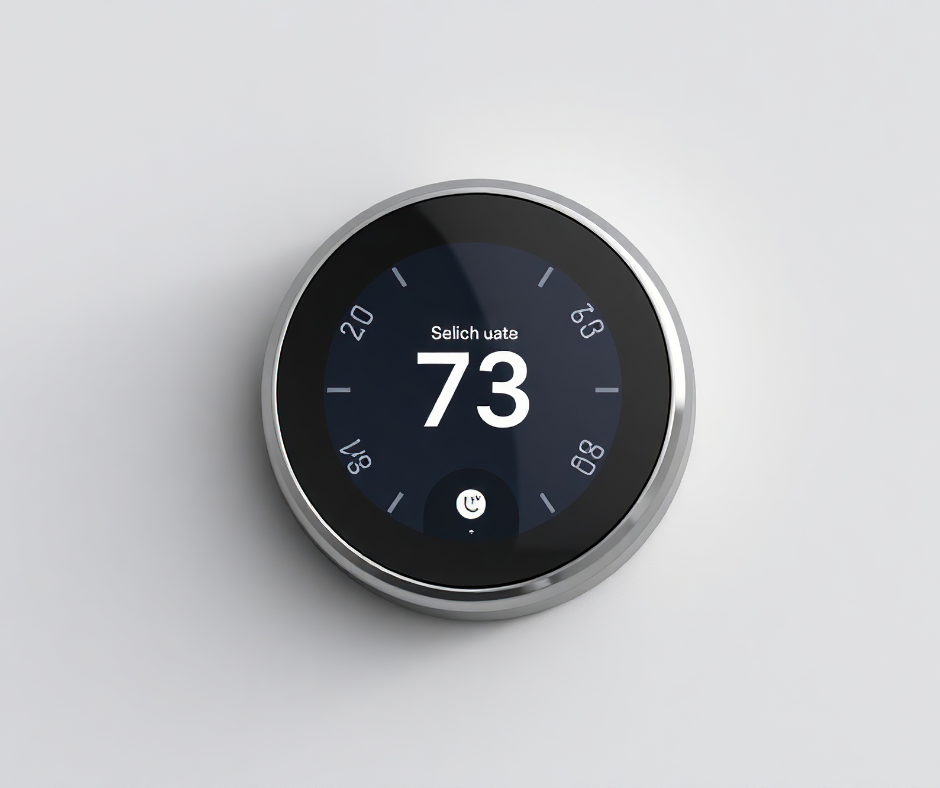
The analogy I like to use is a thermometer versus a thermostat. A thermometer and a thermostat serve very different purposes. A thermometer can tell you what the temperature is, but it can’t change it.
For example, you can have a thermometer outside your kitchen window that tells you the temperature outside, but you can’t do anything to change the reading.
On the other hand, a thermostat not only notices the temperature, it takes action to adjust it. For example, if you notice the thermostat says the temperature in the room is too cold, you can adjust it to make it the desired temperature.
In the same way, some people simply observe what’s happening in their lives, while others decide to do something about it.
In other words, some accountants act like a thermometer. They notice when things feel stressful, frustrating, or off track, and they can explain exactly what isn’t working.
They might think or say things like, “I know what I should do,” “This isn’t working,” or “Something needs to change,” yet their day-to-day behavior stays the same.
The thing is, being a thermometer doesn’t mean you’re unaware or incapable. It often means you’re thoughtful, reflective, and honest about how things feel. The challenge is that noticing the problem doesn’t automatically lead to different choices.
Other accountants act more like a thermostat. They also notice when something feels off, and they feel overwhelmed at times too. The difference is that they decide how they want to respond, even when it feels uncomfortable or inconvenient.
Instead of only pointing out what’s wrong, they make small but intentional adjustments. They choose actions that move things in a better direction, even if they don’t feel fully ready or confident.
Both types of accountants are paying attention. Both can recognize when something isn’t working. The key difference is that one group stays in observation mode, while the other group turns awareness into action.
This isn’t about being stronger, smarter, or more disciplined. It’s about how you respond once you realize something needs to change.
In the next section, we’ll talk about why staying in “observation mode” can quietly create more stress, frustration, and self-doubt over time.
Why Staying in Awareness Mode Can Wear You Down Over Time
The real problem isn’t that you notice what’s wrong. The problem is what happens when you notice it again and again, but nothing changes.
When you’re aware of an issue but don’t take action, it can slowly build frustration. You may start to feel irritated with the situation, and then even more frustrated with yourself for not handling it differently.
Over time, this can turn into quiet self-criticism. Thoughts like, “Why can’t I just fix this?” or “What’s wrong with me?” can start to creep in, even when you’re doing your best.
That pattern can make you feel powerless. Think about it – If the same challenges keep showing up and your response stays the same, it’s easy to start believing that nothing will really improve.
Little by little, this can chip away at your confidence. You may begin to trust yourself less, doubt your ability to change, and feel less in control of your work and your life.
For accountants, this can feel especially draining. Deadlines keep coming back around, busy seasons repeat, and the same stressful patterns show up year after year.
If nothing shifts, it can start to feel like you’re stuck in a loop. Each season can feel heavier, more exhausting, and harder to get through than the last.
The deeper issue is that seeing the problem isn’t enough on its own. Awareness can be helpful, but if your response never changes, the results won’t change either.
In the next section, we’ll look at what’s really happening in the brain that makes it easier to notice problems than to follow through on meaningful change.
What You Need to Know About Your Brain and Why Action Feels Hard
A lot of this comes down to how your brain is wired. There’s a part of your brain that reacts quickly based on feelings, and a part that can slow things down and make thoughtful choices.
I like to call these the Toddler Brain and the Supervising Parent Brain. The Toddler Brain is the part that wants comfort, ease, and instant relief.
This is the voice that says, “This is too much,” “I’ll deal with it later,” or “I know what I should do, but…” It’s not trying to be difficult — it’s trying to keep you safe and comfortable.
The Toddler Brain is very good at noticing problems. It reacts to stress, points out what feels hard, and reports how overwhelmed or frustrated you feel in the moment.
In a way, it acts like a thermometer. It reflects what’s happening around you and tells you how things feel right now, but it doesn’t help you change what happens next.
Then there’s the Supervising Parent Brain. This is the part of you that can pause, think ahead, and choose a response on purpose.
This part doesn’t just notice discomfort — it decides what to do anyway. It can say, “This feels uncomfortable, and I’m going to take action regardless.”
It’s the part of you that follows through on decisions, even when you don’t feel motivated, confident, or ready. That’s what makes it more like a thermostat.
A thermostat doesn’t wait until it feels like changing the temperature. It adjusts the setting because it has already decided what matters.
The most important thing to understand is that you don’t become someone who takes action by waiting to feel inspired. You become someone who takes action by practicing decisions and follow-through, even on days when you don’t feel like it.
Next, let’s look at what this looks like in real life, with everyday examples that make the difference between reacting and intentionally responding easier to recognize.
Thermometer vs. Thermostat in Real Life for Accountants
You can usually tell the difference between thermometer behavior and thermostat behavior in the middle of a normal workday. It shows up in the small, everyday moments — not big dramatic decisions.
A thermometer response might sound like, “I’m behind on everything,” while still working late every night and starting each morning already feeling rushed. It can feel like you’re constantly playing catch-up, even though you’re working hard and doing your best.
It can also look like thinking, “My email is completely out of control,” while still checking it first thing in the morning, all day long, and right before bed. You feel pulled in every direction, but nothing about your routine actually changes.
Another common example is saying, “I need better time management,” while continuing to say yes to too many requests. You may feel resentful, exhausted, and stretched thin — yet the idea of saying no feels even more uncomfortable.
A thermostat response looks different, even though the stress and pressure may still be there. Someone might notice how draining email feels and decide, “I’m not checking this after a certain hour,” even if it feels awkward or scary at first.
They might realize they can’t do everything and choose to focus on fewer priorities, even when it means letting some things be “good enough” instead of perfect. That choice can feel risky, especially for accountants who care deeply about doing high-quality work.
They may schedule focused work time and protect it, even when interruptions pop up and it would be easier to give in. Instead of reacting in the moment, they follow through on decisions they made ahead of time.
The biggest difference is that a thermostat doesn’t wait to feel calm, confident, or fully ready. It adjusts the setting anyway — and lets action build confidence over time.
In the next section, I’ll share a coaching client story that brings this to life and shows what can happen when someone stops just noticing problems and starts responding with intention.
Becoming a Smarter Accountant: From Thermometer to Thermostat
I once worked with an accountant who was incredibly self-aware. They could tell you exactly why they felt overwhelmed, behind, and exhausted — and they weren’t wrong.
They described lying in bed at night, mentally replaying their to-do list and feeling a knot in their stomach. Even when they weren’t working, their mind was still racing, worrying about deadlines, emails, and everything they hadn’t gotten to yet.
During the day, they felt like they were constantly reacting. Emails kept pulling them off track, requests kept piling up, and by the end of each day, they felt defeated — like they had worked nonstop but still hadn’t made real progress.
They would say things like, “I know I can’t keep doing this,” and “Something has to change.” They could clearly see the problem, but nothing in their routine actually shifted.
The turning point came after a particularly rough week. They told me, “I’m so tired of knowing what’s wrong and still living the same day over and over.”
That was the moment they stopped only noticing their stress and started making intentional decisions. Instead of waiting to feel ready or confident, they began choosing small changes on purpose — what to focus on, what to say no to, and what actually mattered most.
At first, it felt uncomfortable. They worried about disappointing people, falling behind, or not doing enough. But they followed through anyway.
Over time, their emotional experience began to change. They told me they felt calmer walking into their workday, more confident making decisions, and less controlled by urgency and pressure.
Before, they felt like their job was running them. After, they felt like they were finally running their job — even though the workload itself hadn’t magically disappeared.
The difference wasn’t that their work became easy. The difference was that they stopped reacting to stress and started responding with intention.
Next, let’s pull everything together and talk about the key takeaway — and the one question that can help you start shifting from noticing to deciding in your own life.
Key Takeaway and Action Item
Here’s the most important thing to remember: noticing a problem doesn’t change a problem. You can be incredibly self-aware and still feel completely stuck.
Most accountants I work with are already very aware. You notice when you’re behind, when you’re stressed, when your email is overflowing, when you’re working too many hours, and when your workload feels unsustainable.
That awareness isn’t the problem. In many ways, it’s a strength.
But awareness alone doesn’t create relief. It doesn’t shorten your workday. It doesn’t protect your energy. And it doesn’t automatically lead to better choices.
It can actually feel painful to see what’s wrong and still feel like nothing is changing. That’s when frustration turns inward and starts to sound like, “Why can’t I just get it together?” or “I should be better at this by now.”
That’s what thermometer mode looks like. It reports the pressure. It reflects the stress. It tells you, “This is too much,” or “This isn’t working.” But it stops there.
Thermostat mode is different. It uses awareness as a starting line, not a finish line. It says, “This isn’t working — so what am I going to do differently?”
It doesn’t wait for motivation. It doesn’t wait to feel confident. It makes a decision on purpose and follows through, even when it feels uncomfortable or imperfect.
This matters so much in accounting because the pressure isn’t going away. There will always be deadlines. There will always be urgent requests. There will always be more work than time.
If you only reflect that pressure, you’ll keep feeling like your life is being controlled by your workload. But when you start choosing your response on purpose, you begin to feel more in control — even when the circumstances stay busy.
Here’s the question I want you to ask yourself:
“What do I want to do next, on purpose?”
This question is powerful because it moves you out of reaction mode. Instead of letting your day happen to you, it reminds you that you still get to choose your next step.
It shifts you from “Here’s what’s happening to me” to “Here’s what I’m choosing.” Even if the choice feels small, it builds confidence, self-trust, and a sense of control over time.
Your brain will naturally want to default to what feels familiar — overworking, procrastinating, people-pleasing, or staying stuck in your head. Asking this question interrupts that pattern and puts you back in the driver’s seat.
Every time you pause and choose your next step on purpose, you practice being a thermostat instead of a thermometer. And over time, those small decisions add up to real change.
Next, I want to pull back the curtain and share a personal moment when I had to make this exact shift myself.
Pulling Back the Curtain
Pulling back the curtain…
There was a point in my own career when I could clearly see what wasn’t working, but I still wasn’t doing anything about it. I knew I was taking on too much, stretching myself too thin, and saying yes even when I was already exhausted.
On the outside, I looked capable and in control. On the inside, I often felt rushed, overwhelmed, and quietly resentful — like I was always behind and never quite caught up.
I remember finishing long workdays feeling completely drained, telling myself, “Something has to change,” and then waking up the next morning to repeat the exact same pattern. I could explain the problem in detail, but my behavior stayed the same.
There were nights when I would lie in bed thinking about everything I didn’t get to, everything I still needed to do, and everything I had already promised. Instead of feeling proud of how hard I was working, I felt frustrated that I knew better but wasn’t acting like it.
At the time, I thought awareness should be enough. I assumed that if I understood the problem clearly, the solution would eventually fall into place.
But the truth was, nothing changed until I started making decisions on purpose — even when they felt uncomfortable, awkward, or imperfect.
I began setting small boundaries that felt scary at first. I started saying no in moments when I wanted to default to yes. I followed through on decisions even when part of me wanted to back out or keep the peace.
Not every choice was perfect. Some felt clumsy. Some felt risky. But each decision built a little more confidence, a little more control, and a little more trust in myself.
Over time, I stopped feeling like my workload was running my life. I started feeling like I was in charge again — not because my work disappeared, but because my response changed.
That experience taught me something I want you to remember: you don’t need to become a different person to change your results. You don’t need a new personality, more discipline, or more willpower.
You just need to stop being a thermometer and start acting like a thermostat.
If you’re ready to make that shift, I’d love to support you. Take The Smarter Accountant Quiz at www.thesmarteraccountant.com to learn more about how your brain and habits are working right now.
You can also schedule a free 30-minute call at www.thesmarteraccountant.com/calendar if you want help figuring out what’s not working and what could change.
And if you know another accountant who says, “I know what’s wrong, but I’m not changing it,” share this episode with them. It might be exactly what they need to hear.
As I end each episode, the truth is that you’re already smart. But this podcast, I promise, will show you how to be smarter.