
The Surprising Way Complaining Affects Your Intelligence

Let’s talk about a subject that most accountants have experience in – complaining.  But before we dive in, let me ask you some questions to think about:

Have you ever noticed how often you catch yourself complaining throughout the day? Maybe it’s about the traffic during your morning commute, the mountain of paperwork on your desk, or perhaps even the occasional issue with the weather. 

We all complain about various things, but have you ever stopped to think about the impact of all that complaining on your life or your career?

Or maybe you were intrigued to participate in one of those challenges to help you stop from complaining, like John Gordon’s 7-Day Challenge. How long did you last before something or someone triggered a complaint? 

It’s surprising how difficult it can be to break this sneaky habit.  But unfortunately, the hard truth is that complaining is actually making us dumber and I’ll be explaining how in a minute. 

While we all complain, you might be interested to know that the average person complains anywhere between 15 and 30 times a day.

Here’s another question: Are you aware that your brain is wired to find faults, to identify potential threats, and to, in a way, complain? It’s a natural survival mechanism, but what happens when this tendency seeps into your daily conversations, especially at work?

Now, think about this: how often do you find yourself surrounded by constant complainers, be it coworkers, friends, or family members? Do you ever feel drained by their negativity? 

Have you ever noticed how you end up discussing their bad attitudes with others, as if you can’t help but complain about the complainers?

And here’s the ultimate question: Did you know that complaining is affecting your intelligence, and in turn, your accounting career? It’s not just a matter of your mood; it’s about the very asset that fuels your professional success—your brain.

In today’s episode, I’m going to explain the science behind complaining, why it’s more problematic than you might think, and most importantly, how you can stop or at least become more purposeful in your complaints.

If you’re ready to delve into this intriguing topic, stay tuned because by the end of this episode, you’ll have valuable insights and practical strategies to make your complaints work for you rather than against you.

Why we complain

So let’s start with why we complain. It’s a behavior so ingrained in our daily lives that we often do it without even realizing. So, why do we complain so much?

As I mentioned earlier, challenges like John Gordon’s 7-Day Challenge can shed some light. The goal of the challenge is to go a whole week without complaining. Sounds simple, right? Well, not quite. 

Most people who take this challenge can’t make it past the 10-minute mark without finding something or someone to complain about.  But why is it so tough to stop complaining? 

The answer lies in the sneaky nature of this habit. Most of the time, we believe we’re just stating the facts, much like a news reporter delivering the daily headlines. 

We think we’re merely observing our world and expressing what’s true for us. For example, we say things like, “There’s a ton of work to do” or “The weather is pretty crappy.”

However, here’s the catch – our brains are wired to be natural complainers. They constantly scan our environment, seeking out what’s wrong or potentially threatening to keep us safe. 

Complaining is a survival mechanism deeply rooted in our biology. In fact, research has shown that during typical conversations, especially at work, most people complain approximately once a minute. 

The truth is that our negative-biased brains tend to interpret more things as wrong than right, and they want to share these observations as a sort of “public service.”

Now, here’s why it becomes even more prevalent in work environments and why it’s so tricky to break this complaining habit – it can become a form of bonding. Complaining and gossip often go hand in hand, sometimes forming the basis of relationships, especially in challenging work situations.

As I’ve shared on the podcast before, because our primitive brains are motivated to avoid pain, seek pleasure, and be efficient, the practice of complaining can easily become hardwired into our habits. It becomes our unconscious default. 

In other words, until we rewire our brains, they will continue to do what they do best – complain.

Let’s go over some examples by starting with a scenario that most of us deal with – daily commuting.  Let’s say you find yourself inching along in traffic, late for work yet again. Again, it’s a situation many of us can relate to. 

As your frustration mounts, you might express your aggravation by saying something like, “This traffic is unbearable every day! It’s a complete nightmare.”  It seems harmless, right? You’re just venting your frustration about the situation. 

But here’s the catch – this seemingly innocent complaint reflects a natural inclination of our brains to focus on what’s going wrong, in this case, the traffic. Our brains are wired to spot potential threats and inconveniences, even in the mundane, as a survival mechanism..

Or here’s another example for those of us in public accounting – tax season. Let’s say you’re knee-deep in spreadsheets, drowning in tax forms, and your coffee consumption has hit an all-time high. It’s a situation that many of us can relate to. 

As the stress mounts, you might express your frustration by saying something like, “This workload during tax season is unbearable every year! It’s a complete nightmare.”

It might feel like you’re just venting your frustration about the situation, but there’s more to it. This complaint reflects the natural tendency of our brains, as humans, to focus on what’s going wrong – in this case, the overwhelming workload. 

Again, our brains are wired to spot potential problems and inconveniences, even in the intricacies of accounting. When this default part of our brain goes unchecked, it can become a bigger problem than you realize.  

So, just know that when complaining becomes your unconscious default, it can hurt your intelligence and, as I’ll explore in a minute, become a problem for you and your accounting career.

Why it’s a problem

As accountants, we need to be sharp and analytical in order to do the challenging work we do.  Our accountant brain must operate at its highest level, especially when tackling complex financial challenges and navigating the intricacies of the financial world.

But here’s where the trouble starts – research has shown that complaining can literally shrink a critical area of your brain, the hippocampus. This small but mighty region is responsible for problem-solving, memory retention, and intelligent thought processes. 

It’s essentially the vault where all those accounting facts, tips, and analytical strategies are securely stored.  Unfortunately, complaining is killing your brain cells.

While it might sound like a humorous exaggeration, it’s true. Research conducted by Professor Robert Sapolsky at Stanford University has shown that chronic complaining can indeed have detrimental effects on the hippocampus. 

It’s the constant stream of stress hormones, like cortisol, flooding your bloodstream that does the damage.  If you’re not familiar with cortisol, it’s referred to as the stress hormone. 

When you complain persistently, you’re essentially flooding your bloodstream with cortisol. This hormone, in excess, puts you at risk for increased blood pressure, heart disease, diabetes, and a host of other health concerns.

When you add juggling a demanding career with family responsibilities, the stress from both sides can be immense. You may find yourself complaining to your colleagues about it regularly.

Your complaint might sound like, “I don’t know how much more stress I can handle – between tax deadlines and family commitments, it’s too much!”

Unfortunately, this stress, compounded by chronic complaining, creates a toxic cocktail in your body, wreaking havoc on your health. And, let’s be honest, we could all use a little less stress in our lives.

Now, you might wonder, “Why does complaining feel so good if it’s causing all these problems?” The answer lies in how you feel before you complain.

Here’s the thing – just before you let out that complaint, there’s typically a strong negative feeling – frustration, judgment, or stress. Complaining seems like a welcomed relief from those negative emotions, especially when others join in.

For example, let’s say it’s another tough day at work, and your coworker joins you in a complaining session about the management’s decisions. You vent your frustrations together, feeling the relief of shared grievances.

In this moment, it feels like you’re releasing some of the pressure built up inside you. It’s as though you’re a dam about to burst, and complaining allows you to let off some steam. 

The issue, however, is that your brain is like a sponge, absorbing everything you spill – including all that complaining.

The truth is that your brain absorbs the complaints and begins to wire itself to include them in your thought patterns. As you rinse and repeat this process, your brain strengthens these connections, making it easier and easier to complain. 

Over time, complaining can become as natural as breathing but as damaging as smoking.

The interesting thing is that the damage isn’t limited to how you perceive the world; it extends to how others perceive you. It might be draining for you to be around constant complainers, but it’s equally draining for others to be around your complaining.

For example, let’s say you’re at a family gathering, and your cousin always brings up something to complain about. You might share an exasperated look with your sibling about your cousin’s attitude, creating a subtle alliance of complaint. 

It’s a bonding experience, but it’s not exactly conducive to positive relationships.

While it might not seem like a big deal, the truth is that it’s not helpful to you, your intelligence, or your accounting career to let complaining go unaddressed.

How to stop or become more purposeful

So far I’ve uncovered why we complain and why it can be problematic. Now, it’s time to explore the practical steps to stop complaining or, at the very least, complain with purpose.

Since complaining is a habit deeply rooted in our brains, it’s not easy to break. The truth is that our brain processes approximately 60,000 thoughts a day, therefore, it’s impractical to try to stop negative thoughts from occurring altogether. 

However, you do have control over what you choose to focus on.

Let me explain a simple yet effective process that I like to call the “Pass the Hors D’oeuvres” technique. Imagine yourself at a fancy cocktail party, with waiters and waitresses passing around silver platters filled with delicious hors d’oeuvres.

Now, here’s how this process works:

Imagine that each silver platter holds a thought your brain is offering you, just like an hors d’oeuvre.  Understand that there’s nothing inherently wrong with any of the thoughts on those platters.

The key to this process is that you get to decide, purposefully, whether you want the thought on the platter or not.  Before you pick up a thought, ask yourself a few questions:

“Is this thought helpful or useful?”

“Does this thought serve me?”

“Will it ‘taste’ good?”

You only need to spend a second or two to decide. If a thought is useful, pick it up and savor it. If it’s not, simply let the waiter pass by without judgment.

The power of this process lies in its elegant simplicity. Instead of resisting the negative, complaining thoughts that naturally pop up in your brain, you’re making conscious choices about which thoughts are worth your attention. 

You’re essentially curating your mental menu.

What’s truly remarkable is that this process will reveal how optional your thoughts truly are. The thoughts about the circumstances in your life, much like the hors d’oeuvres on the silver platters, can be chosen or passed on – it’s always within your power.

So, whether you’re faced with a challenging accounting situation or dealing with someone else’s complaints, remember that you have the option to decide what you want to think about it all.

Instead of letting the default part of your brain keep thinking and complaining the way it’s always done, you also have the option to decide whether you want to complain with purpose. Complaining with purpose means having a specific goal in mind when you feel the urge to vent. 

It’s about communicating without blame and aiming to find viable solutions.

For example, let’s say you have an issue with something you purchased, and you call customer service to complain. Instead of merely venting your frustration, you pause and evaluate whether your complaint will lead to a constructive conversation.

You might ask yourself, “Do I know what I want as a resolution? How might they be able to resolve the situation?” Complaining with purpose means that your complaint isn’t just a release; it’s a step toward finding a solution.

When you choose what’s worth complaining about with a clear goal of being part of the solution, you give your brain and intelligence a chance to switch into problem-solving mode instead of being depleted by complaining mode.

The best part is that complaining with a purpose not only benefits you but also makes it easier for others to join in the solution. It helps calm emotions and fosters better communication.

So remember, complaining is a habit, and like any habit, it can be transformed. By applying these techniques, you can break free from the complaining cycle, boost your intelligence, lower your stress, and enhance your communication skills.

The Smarter Accountant Way: How to not let complaining affect your intelligence

As accountants, our intelligence is our most valuable asset. It’s what enables us to tackle complex financial challenges, solve intricate problems, and provide essential financial guidance to our clients and organizations.

So now let’s go over some real-world examples of how you can break free from the complaining cycle and protect your intelligence.

If you’re in public accounting like me, you know that tax season is the time we tend to love to complain due to our workload. There was even an Accounting Today headline a few years ago that said something like, “Brace yourself for another horrible tax season.”  

Thankfully, the Smarter Accountant way can help with the issue of complaining affecting your intelligence.  So the question you probably now have is, “What’s the Smarter Accountant way?”

Well, instead of complaining about the never-ending stream of tax returns, consider this approach: view each tax return as a unique challenge, an opportunity to showcase your expertise and problem-solving skills.  The reason I no longer have stressful tax seasons and have stopped complaining is because I learned how to manage my mind.

I learned how to recognize the natural tendency to complain and instead, pivot using my higher brain.  By adopting a new mindset, you will not only transform your experience of tax season, but you will also preserve your intelligence. 

Remember, your hippocampus is the part of your brain that is responsible for problem-solving, memory retention, and intelligent thought processes. You want to help maintain a healthy and agile brain that’s ready to tackle even the most intricate financial puzzles.

Another common source of complaint among accountants is workplace dynamics, especially when dealing with challenging colleagues or demanding bosses.  Believe me, I’ve had colleagues that didn’t pull their weight and dealt with the difficult, micromanaging bosses.

I know first hand that it isn’t easy, but instead of dwelling on office frustrations and complaining about coworkers, try “The Smarter Accountant Way.” Shift your focus from complaining to problem-solving.

For instance, if you’re facing a conflict with a coworker, either approach the situation as an opportunity to enhance your communication skills or learn to pivot your focus to the less challenging coworkers. 

Instead of venting your frustration, either initiate a constructive conversation or accept that the coworker is not your favorite and that life is 50/50; you may only like 50% of the people you’re surrounded by, saving your intelligence for what truly matters..

Another example is personal development. We are often pressed for time due to our busy schedules, but instead of complaining about the lack of time for self-improvement, embrace “The Smarter Accountant Way.”

Suppose you’ve been longing to improve your time management skills by learning a new, brain-based time management system like I teach in The Smarter Accountant Time Management Program.  Instead of complaining that there’s never enough time, recognize that it is possible to make time for things that are important to you.

Since The Smarter Accountant Time Management Program is only six weeks, you can simply choose to dedicate this short amount of time to learning and application.  In doing so, you not only acquire new knowledge but also keep your hippocampus active and engaged.

Hopefully, you can now see that by applying “The Smarter Accountant Way” in these scenarios and countless others, you can transform complaining into a powerful tool for personal and professional growth.

Remember, while complaining might feel natural, it’s also affecting your intelligence so it’s probably worth noticing and addressing as often as you can.

Well, that’s what I have for you.  Thank you for joining me on this exploration of complaining and its impact on our intelligence and our lives. I hope you’ve gained valuable insights and practical tools to navigate this part of your human experience.

If you are struggling with any aspect of being an accountant, you can simply go to www.thesmarteraccountant.com/calendar and book a free session with me.

I’ll explain The Smarter Accountant 6-week Program and how you can apply it to whatever you’re struggling with.

That’s what I have for you, but make sure you check back each week as I help you go from being a stressed accountant to a Smarter Accountant.

Make sure you go to www.thesmarteraccountant.com and take The Smarter Accountant Quiz. You’re going to want to know if you’ve been underutilizing your accountant brain so that you have a starting point for becoming a Smarter Accountant..

Also, I would appreciate it if you could get the word out to other accountants about this podcast.  The more accountants find out about it, the more we can begin to change the narrative in the accounting profession.

The truth is that you’re already smart, but this podcast will show you how to be smarter.

The Top 3 Things I Wish I Knew Before Becoming a CPA

If you’ve ever wondered what it really takes to succeed in this challenging profession, you’re in the right place.

With over three decades of experience as a CPA, and having worked for some of the Big 4, I’ve had the privilege of witnessing the evolution of this profession, and it’s been interesting, to say the least.

To start, I want you to consider the following questions:

Have you ever wondered what it takes to have a sustainable accounting career?

Are there things you’re currently struggling with as a CPA?

Have you thought that there’s got to be an easier way but not sure what that is?

Reflecting on my career in public accounting, there are three pivotal aspects that, if I had known about them earlier, they could have made my journey as a CPA easier.

Whether you’re a student studying accounting and dreaming of becoming a CPA, a new graduate entering the finance field, or an experienced professional dealing with the challenges of accounting, I hope my experience will give you some useful advice.

I’m going to be sharing the three most important things I wish I knew when I started my journey to become a CPA. These lessons have had a huge impact on my career, and I think they’ll give you valuable insight.

In other words, today I’m going to share what I know now, that I wish I knew years ago.

While my path as a CPA has been a rewarding one, it has also come with its fair share of challenges. I hope that by sharing these insights, you can embark on your own path to being a successful CPA.

Remember, the accounting profession offers immense opportunities for growth and impact, and with the right knowledge and perspective, you can navigate it successfully and thrive in the world of accounting.

1 – Stress is optional

The first crucial lesson I wish I had known before becoming a CPA: Stress is optional. The accounting profession is notorious for its high-pressure environment, but over the years, I’ve come to realize that it doesn’t have to be a constant source of stress.

What I learned about 10 years ago has literally changed how I approach every aspect of being a CPA. What did I learn? Where stress actually comes from.

Here’s what I know now that I wish I had learned much earlier on – stress is not caused by things like the amount of work we have, deadlines, difficult clients, or the IRS. It’s caused by our unmanaged brains.

The hard truth is that your smart accountant brain is being underutilized if you feel stressed. In other words, you feel stressed and overwhelmed because you are underutilizing the part of your brain that can eliminate stress and overwhelm.

As I shared in episode #2 – The Place Where Brain Science Meets Accounting – if you were using the higher, prefrontal cortex part of your brain more intentionally and more often you would not feel stressed.

It’s literally like having the “off” switch to stress when you learn how to use your higher brain more often.

The reason you feel stressed and overwhelmed, especially during times of deadlines, is because you’re letting the lower, default part of your brain, run the show. Believe me, I get it because I was doing the same thing for over 20 years.

Unfortunately, when you don’t learn how to manage your accountant brain, you end up day after day, year after year, feeling stressed and overwhelmed, often ending in burnout. Thankfully though, you’re listening to this podcast which means you’re probably willing to learn how to do things differently..

I promise you that by understanding the truth behind my stress and overwhelm, especially as an accountant in public accounting my entire career, I have changed everything in my life for the better. I cannot emphasize this enough—stress and overwhelm are OPTIONAL for accountants!

Here’s what it boils down to – to become a Smarter Accountant, you have to understand this fact: circumstances do not cause feelings. In other words, a Smarter Accountant knows that feelings are only ever caused by the optional thoughts their brain has about circumstances.

For example, the truth is that the tax season doesn’t cause stress; it’s just dates on the calendar: it’s a block of time. A circumstance, like dates on a calendar, cannot create the feeling of stress or overwhelm.

The only thing that CAN cause those feelings are our thoughts about the fact that it’s tax season. In other words, the only thing that is causing you to feel stressed and overwhelmed is your unmanaged brain’s thoughts about circumstances like the dates on the calendar, the number of tax returns that need to be filed, the client requests, etc.

I promise you that your unmanaged accountant brain is the issue, not dates on the calendar, the amount of work you have to get done, or the expectations of your clients.

The beauty in becoming a Smarter Accountant is that you don’t need any circumstance to be different in order to feel better or have a better result. The solution to feeling stressed and overwhelmed, especially during deadlines, is to intentionally choose how you want to feel.

I can tell you that trying to do accounting work from a feeling of stress or overwhelm is like trying to drive 100 mph with the parking brake on. It slows down your ability to get more done in less time and burns you out in the process.

For example, one of my coaching clients was a partner in a small firm and was on the verge of burnout. He was constantly feeling stressed and overwhelmed, and had tried many different things over the years to try to feel more in control.

Once he worked with me and learned how optional stress was, he was able to handle the workload, get more done in less time, and be a more effective leader in the firm. His wife even said he was much happier at home.

I want you to imagine if you could approach a high-pressure client meeting with complete confidence, knowing that stress wouldn’t cloud your judgment. How might that positively impact your client relationships and the outcomes of those meetings?

Or picture this: you’re working on a complex financial audit, and the deadlines are tight. Now, imagine if you knew exactly how to eliminate stress and feel calm and in control. How might that change your experience and results?

Think about the last time you felt stressed during tax season. Now, envision knowing how to stay focused instead of stressed. How might that have improved your overall well-being and performance?

The reason I now have stress-free tax seasons is because I’ve come to understand that stress is optional when you understand how to manage your accountant brain. The bottom line is that stress is optional because it’s within your control when you understand how to manage your mind.

2 – Effective time management is essential

The second vital lesson I wish I had known before becoming a CPA: the importance of effective time management. Being a CPA means juggling lots of tasks, deadlines, and responsibilities.

The truth is that learning to handle your time well isn’t just helpful; it’s crucial for success in this demanding career. If you want an easier, more sustainable career, you must learn effective time management.

The issue is that no one is teaching accountants the most effective way to manage our time. There are plenty of apps, software, and workflow systems, but they’re like putting temporary bandaids on.

Effective time management is like a superpower that can help you stay on top of it all and not drown in working too many hours, or feel the effects of never-ending stress and overwhelm. But here’s the thing – there’s a huge difference between time management and effective time management.

Most accountants are managing their time ineffectively. How would you know if that’s you?

If you often find yourself rushing to meet deadlines, feeling overwhelmed by your workload, and working more than you want to, you’re not managing your time effectively. If you struggle to prioritize tasks and often find yourself working on less important items while critical tasks get delayed, you may need to refine your time management skills.

If you spend most of your day reacting to urgent matters instead of proactively tackling your planned tasks, it may be a sign that your time management needs improvement. If you frequently feel burned out, exhausted, or mentally drained from your work, it’s due to poor time management, which can lead to overexertion.

The good news is that recognizing these signs is the first step toward improvement. By implementing effective time management strategies, you can regain control over your schedule, reduce stress, and enhance your productivity as an accountant.

For example, imagine you’re in the middle of tax season. You have a big project ahead, and several clients are waiting for your help. Deadlines are coming at you from all sides.

Without an effective time management plan, you might feel like you’re drowning in work, struggling to figure out what to do first, and worried you might miss a crucial deadline. Many CPAs, whether they’re just starting out or have been at this for a long time, face this kind of challenge.

So what can help you uplevel your time management to be more effective? You have to first understand how to manage your mind before you can better manage your time.

For example, one of my coaching clients was trying to run her small firm with a team of 4. She was constantly complaining that there just weren’t enough hours in the day to get everything done.

But once she learned how to first manage her mind and then learned a more effective method for managing her time, she was not only able to handle her current workload, but she was able to start growing her business. She had been putting that off for a few years because she felt she just didn’t have the time or the bandwidth to take on more.

She shared that learning how to manage her mind was a game changer. Not only was her time management much more effective, but she got more done in less time and was able to do everything she needed to do without feeling overwhelmed.

Bottom line – if you’re going to have any shot at having a sustainable career as a CPA, you have to learn how to have effective time management. What no one else is teaching you about time management is that it’s less about managing your time, and more about managing your mind.

3 – Work-life balance is attainable

Now, let’s discuss the third crucial aspect of the CPA journey that often gets overlooked but is essential for long-term success and well-being – maintaining a healthy work-life balance. This is something I wish I had understood better when I was starting out, as it plays a significant role in your career as a CPA.

Over the years, through much trial and error, I have been able to consistently achieve work-life balance, but it wasn’t easy. Here are some things I wish I knew before becoming a CPA:

The Demands of a CPA Career: One of the first lessons I learned on this journey is that a CPA career is demanding, to say the least. During certain periods, such as tax season, the workload can be intense. Long hours, tight deadlines, and a high level of responsibility are par for the course. Knowing this upfront is crucial to avoid being caught off guard by the intensity of the profession.

Balancing Work and Personal Life: Balancing work and personal life is like a dance, and setting boundaries plays a pivotal role. Clear boundaries are essential to prevent work from spilling over into your personal life and vice versa. Establishing these boundaries is a continuous process, but it’s well worth the effort in maintaining your overall well-being. To set better boundaries, you first have to build your self-confidence. Once I worked on that, it became much easier to say No and set healthy boundaries.

Recognizing Signs of Burnout: Burnout is a genuine concern in the accounting profession. Unfortunately, it can manifest as constant fatigue, increased stress, decreased enthusiasm for your work, and even physical health issues. Recognizing these signs early is crucial. If you notice them, don’t hesitate to address them. Whether through self-care practices or seeking professional support, taking action is vital to prevent burnout from derailing your career. Your health and well being are more important than a paycheck.

Effective Time Management: As I shared before, effective time management is essential, especially when juggling a demanding career and personal life. It involves developing strong organizational and time management skills to optimize work hours and ensure quality time for personal pursuits. Because of my experience as a CPA, one of the things I’m the most passionate about is teaching accountants how to better manage their time. No one is teaching accountants what I teach about effective time management.

Setting Realistic Expectations: Striking a balance requires setting realistic expectations. Understand that there will be busy seasons and times when work takes precedence. However, there are also quieter periods when you can recharge and focus on personal interests. Recognizing this ebb and flow can help you manage your expectations and reduce stress. To have a sustainable career, you have to level out the highs and lows so that you’re not feeling like you’re on a constant roller coaster ride.

Prioritizing Self-Care: Don’t underestimate the power of self-care. It’s not selfish; it’s necessary. Prioritizing your physical and mental health is fundamental. Regular exercise, a balanced diet, and adequate sleep are the cornerstones of self-care. Beyond these, finding hobbies and activities that bring you joy outside of work is equally important. If your greatest sense of joy and accomplishment is work, you might want to challenge yourself on that.

Seeking Support: Remember that you don’t have to navigate this journey alone. Lean on your support system, whether it’s family, friends, a coach like me, or colleagues who understand the demands of the profession. We can provide not only a listening ear but also valuable advice and encouragement when you’re faced with challenges.

The truth is that work-life balance is not a luxury but a necessity for a sustainable CPA career. It involves understanding profession demands, setting boundaries, avoiding burnout, managing time, having realistic expectations, self-care, and seeking support to find harmony between work and personal life.

For example, one of my coaching clients came to me because he said he was too much of a people-pleaser. He had moved his way up the large firm he worked at, but it was now catching up to him how much his inability to say no or set boundaries had created a complete lack of work-life balance.

Once we worked together, he was able to understand what was causing his people-pleasing tendencies. He was then able to learn how to have difficult conversations, how to say no more often, and how to set better boundaries with colleagues and with clients.

The bottom line is that an equilibrium between your professional and personal life not only contributes to your well-being but also enhances your performance and longevity in the field of accounting.

Bonus – Brain management is the secret to an easier, more sustainable career

From my 30+ years as a CPA in public accounting and over a decade being a Professional Certified Coach, I decided to distill what has made the biggest difference for me into my book “The Smarter Accountant.”

Here’s what I know for sure – what I teach isn’t found in any classroom, CPE seminar, or accounting webinar. In fact, every client that I’ve worked with has said, “Why aren’t we taught this earlier?”

That’s why I wrote the book “The Smarter Accountant” and I teach accountants how to be Smarter Accountants – because we’re not taught the most helpful thing we could learn as accountants – how to stop underutilizing our accountant brain.

The truth is that you’re already smart or you wouldn’t be an accountant or considering becoming an accountant. No one is denying your intelligence, but what I want to explain is that you’re not being as smart as you could be.

And that all comes down to the fact that there’s nothing you can’t manage when you learn how to manage your brain.

That is what no one is teaching us as accountants. The most valuable thing we could learn – how to manage our brain.

The truth is that you have the best piece of machinery on the planet and no one has ever given you the instruction manual for it…until now! You are going to want to know your particular instruction manual.

We’ve all heard the saying, “Knowledge is power,” but that’s actually not correct. As accountants, we have plenty of knowledge but often feel pretty powerless.

The truth is that knowledge isn’t power; applied knowledge is power. In other words, ACTION is power. Becoming more knowledgeable is one thing but doing something with that knowledge is much more powerful.

That’s why my 6-week Smarter Accountant Program is one of a kind. It’s where I teach smart accountants how to be smarter. As I said before, what I teach isn’t found in any classroom, CPE seminar, or accounting webinar.

So what does it mean to become a Smarter Accountant? Well once I became a Smarter Accountant, everything changed for me both professionally and personally:

  • I rarely experience stress, even during tax season
  • I work only the hours I want to work
  • My life is incredibly balanced
  • I get more done than anyone else in less time
  • I am highly productive and efficient
  • I am much better about not comparing myself to others
  • I choose to interpret things as feedback rather than criticism
  • I’m making more money than I’ve ever made
  • My relationships have improved dramatically
  • My health is better than its been in years
  • I have more self-confidence than I’ve ever had
  • I set healthy boundaries and have no problem keeping them
  • I am happier than I’ve ever been

The best part is that you can do the same. Not only can you create a sustainable and fulfilling career but you’ll also be able to gain a competitive advantage.

Just consider the following:

  • If you knew how to eliminate stress and overwhelm so that you could easily handle deadlines, how would you stand out from the crowd of burned-out accountants?
  • If you had self-confidence and stopped using the number of hours you work as a sign of your value, what else would make you more valuable?
  • If you had incredible time management, how much more could you get done in less time than everyone else?
  • If you could be more productive, how would you excel?
  • If you knew how to set better boundaries, how much more effective would you be at your job?
  • If you felt happier and more fulfilled, how would you stand out from the crowd of unhappy CPAs?

By investing a small amount of your time, you can have that sustainable accounting career that you deserve.

If you are struggling with any aspect of becoming or being an accountant, you can simply go to www.thesmarteraccountant.com/calendar and book a free session with me.

I’ll explain The Smarter Accountant 6-week Program and how you can apply it to whatever you’re struggling with.

That’s what I have for you, but make sure you check back each week as I help you go from being a stressed accountant to a Smarter Accountant.

Make sure you go to www.thesmarteraccountant.com and take The Smarter Accountant Quiz. You’re going to want to know if you’ve been underutilizing your accountant brain so that you have a starting point for becoming a Smarter Accountant..

Also, I would appreciate it if you could get the word out to other accountants about this podcast. The more accountants find out about it, the more we can begin to change the narrative in the accounting profession.

The truth is that you’re already smart, but this podcast will show you how to be smarter.
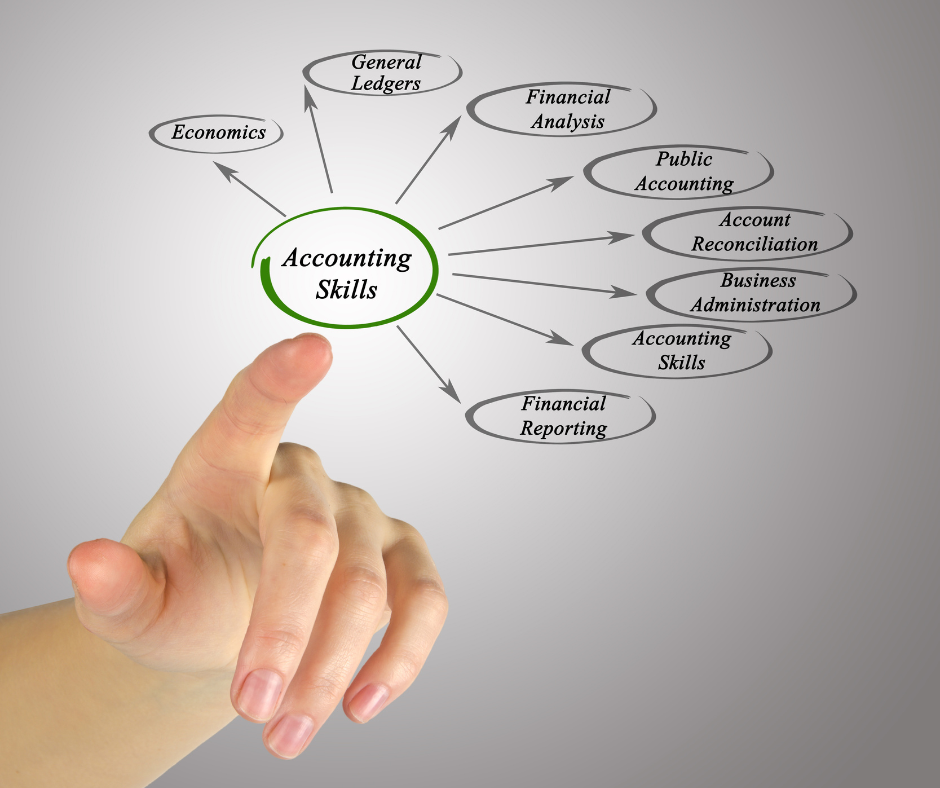
Unlocking The Hidden Truths Of Time Management

Today, we’re going to talk about one of my favorite topics: time management. It’s one of those topics that is essential to being a successful accountant, but unfortunately, no one is teaching it correctly.  

Let’s start with a few questions: have you ever felt like you’re racing against the clock? Like you’re trying to do a million things, but there just isn’t enough time? It happens to most of us 

Think about the last time you had a loooong list of things to do. Did you ever wonder why it felt so overwhelming even before you got started? Is there more to it than just having lots of things to do?

Sometimes, we try to make everything absolutely perfect, spending tons of time on tiny details. Or on the other hand, we might procrastinate and then beat ourselves up afterwards.  Do any of those sound familiar?

And how about this: your schedule is jam-packed with things to do, but you still can’t get it all done in a day. Ever felt that way?

Well, guess what? There are three tricky things hiding behind these problems that mess with our time management. They’re like sneaky little troublemakers!

I’ve been teaching accountants better time management for years, and I’ve noticed these problems coming up again and again. They’re like secret challenges that mess with our schedules and make us feel stressed and overwhelmed.

But don’t worry! In this episode, I’m going to shine a light on these hidden issues, look at them closely, and I’ll give you some tips and tricks to beat them. Whether you’re an accountant working for a company or even starting your own business, I’ve got some great tips for you.

I want you to know these secret truths about time management because once you do, you’ll feel like you have superpowers over your time management. No more feeling like there aren’t enough hours in the day or being buried under a never-ending to-do list.

So, if you’ve ever felt like there aren’t enough hours in the day or found yourself overwhelmed by an endless to-do list, you’re in the right place. 

Hidden Truth #1 – The Power of Simplification

Let’s begin by acknowledging a universal fact—we all have too much to do and not enough time. It’s a reality of our lives in this fast-paced, information-packed era. But the real question is, how do we respond to this fact?

Picture this scenario: your to-do list seems never-ending, your calendar is overflowing, and you’re constantly feeling the pressure of time. It’s a common experience for us accountants. 

But here’s where it gets interesting. If it’s indeed true that we have more to do than time allows, what will you do about it? Will you, as author and entrepreneur Tim Ferriss suggests, ‘ruthlessly eliminate the extraneous’?

Here’s the thing – simplifying your life, your tasks, and your commitments can be an incredibly liberating and effective way to regain control of your time. The key is focusing on the essential, refining your priorities, and making simplification a daily practice.

Think about it this way—everything naturally tends towards chaos and disorder, including our schedules. If we don’t actively work to simplify and prioritize, we’re bound to be overwhelmed by the chaos of life’s demands.

The truth is that simplification isn’t just about decluttering physical spaces; it’s about decluttering our schedules, our minds, and our priorities. When we commit to this process, we free up precious time and mental bandwidth.

Consider this scenario: your to-do list is so packed that you feel like you’re carrying the weight of the world on your shoulders. Emails, meetings, projects, and personal commitments all seem to be piling up, leaving you overwhelmed and perpetually racing against the clock. 

If this resonates with you, you’re not alone; many of us experience this daily grind.

But here’s the catch – it’s not about how much you have to do; it’s about how you handle it. It’s about your willingness to simplify your approach. Let’s delve into this further with a couple of relatable examples:

One of my clients was dealing with back-to-back meetings, endless emails, and a never-ending to-do list. She used to think she needed to do it all, which led to exhaustion and burnout. 

As we worked together she decided to take a step back and eliminate non-essential meetings and tasks. By doing so, she created pockets of uninterrupted time for focused work and personal well-being.

Another client worked from home and his workspace was cluttered with papers, old gadgets, and unnecessary knick-knacks. This clutter not only disrupted his concentration but also added stress to his workday. 

As we worked together he decided to declutter his workspace, keeping only what was essential for his daily tasks. The result? A clean, organized workspace that boosted his productivity and reduced stress.

These examples illustrate that simplification isn’t just a lofty idea; it’s a practical approach that can transform the way we manage our time. By ruthlessly eliminating the extraneous – whether it’s unnecessary meetings, clutter in our physical spaces, or commitments that don’t align with our goals – we can regain control over our time and mental clarity.

Think of simplification as a constant companion in your time management journey. It’s about consciously choosing what truly matters and making room for it in your life. Remember, it’s not about doing less; it’s about doing more of what matters most.

Now, let’s explore some practical tips on how to start simplifying your life today. One of the first steps is to perform a comprehensive audit of your commitments and tasks. Ask yourself, ‘What can I eliminate? What can I delegate? What truly aligns with my goals and values?’ This exercise alone can help you reclaim significant time and energy.

Other tips include decluttering your space by going through your home or office and getting rid of things you no longer need or use. A clutter-free environment can lead to a clearer mind.

Another suggestion is doing a digital detox.  Here you’re going to want to delete unused apps, organize your emails, and unsubscribe from newsletters you no longer read. A tidy digital space can reduce distractions.

The next suggestion is learning how to effectively prioritize tasks.  My time management clients learn an incredibly effective tool called the Decision Matrix that helps you organize and prioritize everything you have to get done based on the ease and impact of the task.  It creates momentum and streamlines your productivity.

The last tip is time blocking, but not in the traditional way.  Most of us know how to schedule things in blocks of time on our calendar, but it’s our ability to follow through no matter what that makes all the difference.  My time management clients learn my uniquely effective Container Calendaring process which teaches you how to get more done in less time.

It teaches exactly how to handle those moments when you do not want to do what was scheduled or you’re already feeling overwhelmed before you even get started.  

Remember, simplification isn’t a one-time event—it’s an ongoing process. It’s about setting boundaries, learning to say ‘no’ when necessary, and focusing on the few things that bring the most value to your life.

Hidden Truth #2 – Managing Perfectionism

In many professions, especially accounting, a certain level of precision is essential. As accountants, we are trained to spot even the tiniest discrepancies, ensuring financial accuracy.

However, this meticulous attention to detail can sometimes evolve into unmanaged perfectionism, which can significantly affect our time management.

On the one hand, our brain is wired to seek perfection and precision, traits that make us exceptional at our jobs. On the other hand, this dedication to perfection can have unintended consequences.

For example, I worked with a coaching client who was an audit manager in a mid-sized firm.  Her keen eye for detail was her greatest strength. 

However, this strength often turned into unmanaged perfectionism. She frequently found herself poring over spreadsheets, double-checking every entry, and spending hours ensuring that every number aligned flawlessly. 

While her dedication to accuracy was commendable, it came at a cost. Her meticulousness often led to extended working hours and constant stress, leaving her with less time for other essential tasks.

Another example is a small firm owner I coached.  He was a tax consultant with a reputation for impeccable work. 

His clients trusted their financial well-being to him because of his attention to detail. However, this commitment to perfection led to unmanaged perfectionism.

During the tax season, he meticulously reviewed every line of his clients’ tax returns, ensuring not a single deduction was missed. He often worked late into the night, triple-checking calculations and cross-referencing tax codes. 

While his clients appreciate his dedication, he often found himself mentally exhausted, with little time left for anything else in his life. His pursuit of tax perfection made him feel like he’s constantly racing against the clock, causing unnecessary stress, impacting his overall well-being, and affecting his personal relationships.

While precision is crucial in tax consulting, finding a balance between delivering exceptional service and managing time effectively becomes paramount.

So whether you find yourself spending excessive time reviewing spreadsheets, double-checking numbers, or obsessing over calculations, the drive for perfection can become a problem if it compels you to go beyond the necessary, leading to overworking.  This loop of perfectionism can consume valuable time, leaving you with less capacity for other things.

The interesting thing is that, on the one hand, when unchecked, perfectionism can lead to overpreparation, overwork, and an obsession with flawless outcomes. On the other hand, repressive perfectionism can result in procrastination, as the fear of not meeting impossibly high standards can paralyze you.

So, how can we manage perfectionism, particularly in a profession like accounting where perfectionism is often rewarded?  Here are some suggestions:

Set Clear Standards: Redefine what ‘good enough’ means for different tasks. In accounting, some reconciliations may require near-perfection, while others can meet a ‘good enough’ standard without compromising accuracy.  As I share with my coaching clients, know when B+ work is enough.

Prioritize and Delegate: Identify tasks where perfection is necessary and prioritize them. For others, consider whether they can be delegated or completed to a ‘good enough’ standard without compromising quality.

Challenge Negative Thoughts: Become aware of and change your negative thoughts associated with perfectionism. Remind yourself that perfection is unattainable and that striving for excellence is different from seeking perfection.

Self-Compassion: Cultivate self-compassion and self-acceptance. Understand that mistakes are part of growth and learning, and they don’t diminish your worth or competence.

Remember that perfectionism can be managed, and doing so can free up valuable time and reduce stress, allowing for more effective time management.

Hidden Truth #3 – Embracing Realistic Time Management

Picture this scenario: you have a mental list of all the tasks you want to accomplish, from work assignments to personal projects, household chores, and social commitments. You believe you can conquer it all, but time seems to slip away faster than you’d ever imagined. 

Unfortunately, this is a common experience, and it often stems from living in a perpetual state of fantasy, believing that everything you want and need to get done is humanly possible within your available time.

Living without an awareness of reality is a scenario where you continually overcommit without acknowledging the practical limitations of time. You add one more client, one more project, and one more report, hoping that somehow, you’ll find the time to complete it all. 

The issue is that this often leads to an unrealistic workload, missed deadlines, and the sacrifice of personal and family time.  I see this time and time again with my coaching clients.  

For example, one of my clients was a Tax Manager.  During the tax season, he described his office like a bee’s hive, with a never-ending buzz of activity. 

He took on any and all new clients, confident in his ability to provide meticulous service. However, as the filing deadline approached, his work hours stretched late into the night, and his weekends were consumed by paperwork. 

He believed he could handle it all, often to the detriment of his well-being.  He also lost some key employees because of his inability to see the big picture.

Another example was a client who was a forensic accountant with an ever-growing client list.  She was known for her thorough investigations and reports. 

However, she had a habit of consistently overbooking herself. Her calendar became a puzzle of overlapping appointments and back-to-back meetings. 

Despite her determination to accommodate everyone, she often found herself rushing through important tasks, compromising the quality of her work.

The truth is that living without awareness of reality in the accounting profession can result in a constant battle against unattainable goals. It leads to stress, burnout, and a diminished ability to deliver the quality of work expected.

Thankfully, there is a solution.  It begins with recognizing that time is finite, and there’s a limit to what you can realistically accomplish. It involves things like:

Realistic Scheduling: Take a step back and assess the practicality of your commitments. Be honest about how much time each task or project genuinely requires. Prioritize your most critical tasks and consider delegating or declining less essential ones.

Effective Time Management: As I tell accountants, there’s time management and then there’s effective time management.  You have to learn more effective time management skills to allocate dedicated periods for focused work. This can help you regain control over your schedule.

Tracking Your Time: When I work with my time management clients, I suggest doing a time audit.  That involves keeping a time log for a week or two to understand how you’re currently allocating your time. This can help you identify areas where you might be overcommitting.

Learning to Say ‘No’: Recognize the importance of setting boundaries and saying ‘no’ when your plate is already full. This allows you to protect your time and maintain your well-being.

By living in alignment with reality and understanding your limits, you’ll be better equipped to manage your time effectively and make choices that lead to more realistic and achievable goals. Remember, time is a finite resource, and the key to mastering it lies in being aware of the reality of how you allocate and commit to it.

The Smarter Accountant Way: Managing Your Brain For Better Time Management

Here’s the #1 thing that no one is teaching accountants about time management – before we can truly master our time, we must first master our minds. A managed mind makes it possible to feel less stressed and overwhelmed, to overcome procrastination, to not overcommit, to be more focused and productive, and to get more done in less time.

At its core, The Smarter Accountant Way recognizes that managing your brain is the cornerstone to better time management. It serves as the foundation upon which the other hidden truths we’ve discussed become not only attainable but also sustainable. 

Here’s why:Imagine you have a meticulously organized schedule, realistic commitments, and a clear understanding of time constraints. However, your day is continually hijacked by distractions, procrastination, and a persistent inner critic. This is where brain management comes into play.

Managing your brain first makes better time management possible because of the following:

Improved Focus: By learning how to effectively manage your brain it improves your ability to stay present and focused during work hours. Brain management makes it possible to get more done in less time and reduces the impact of distractions.

Emotional Intelligence: Developing emotional intelligence is crucial for managing stress and navigating challenging situations effectively. The truth is that every accountant can benefit from understanding and regulating their emotions, which can lead to improved decision-making and more effective time management.

Overcoming Procrastination: Procrastination is a common challenge for everyone, but even more so for accountants. By addressing the root causes of procrastination, such as fear of failure or perfectionism, you can learn to tackle tasks more efficiently.

Building Resilience: As we all know, the accounting profession often comes with high-pressure scenarios. Building mental resilience equips us to handle stress and setbacks gracefully, preventing these challenges from derailing our time management efforts.

Self-Compassion: As accountants, we can often be our own harshest critics. Practicing self-compassion helps in mitigating the negative impact of self-criticism and fosters a more positive and productive mindset.

By incorporating brain management practices into your daily routines, you can unlock your full potential for effective time management. ‘The Smarter Accountant Way’ recognizes that it’s not just about managing time but also about managing the thoughts and emotions that shape our relationship with time.

This approach empowers you to navigate the intricacies of our profession while maintaining a healthy work-life balance. It fosters a mindset that is adaptable, resilient, and conducive to excellence in both work and life.

Just know that The Smarter Accountant Way places you in the driver’s seat of your time management journey, offering the tools and insights you need to thrive in a dynamic and demanding field like accounting.

If you are struggling with any aspect of being an accountant or time management, you can simply go to www.thesmarteraccountant.com/calendar and book a free session with me.

I’ll explain The Smarter Accountant 6-week Program and how you can apply it to whatever you’re struggling with.

That’s what I have for you, but make sure you check back each week as I help you go from being a stressed accountant to a Smarter Accountant.

Make sure you go to www.thesmarteraccountant.com and take The Smarter Accountant Quiz. You’re going to want to know if you’ve been underutilizing your accountant brain so that you have a starting point for becoming a Smarter Accountant..

Also, I would appreciate it if you could get the word out to other accountants about this podcast.  The more accountants find out about it, the more we can begin to change the narrative in the accounting profession.

The truth is that you’re already smart, but this podcast will show you how to be smarter.

The Pros and Cons of Healthy Skepticism

Let’s talk about the pros and cons of healthy skepticism when you’re an accountant. I believe this topic is important because skepticism can be tricky.    .

To start off, consider the following questions:

Have you ever been in a situation where being a bit skeptical was helpful, but at the same time, it made you hesitate to try new things?

Does skepticism sometimes help your career, but also slow it down?

Can you recall times when being skeptical was good, but it also caused challenges when you wanted to grow and come up with new ideas?

The reason I wanted to discuss this topic is because I recently had a coaching consultation call with an accountant who was working between 60 to 80 hours a week. When I asked how many hours they’d prefer to work, they laughed and said they didn’t even know because they thought working less wasn’t possible. 

This accountant said, “I just have a healthy skepticism. I can’t see how you could teach me to work less and still get everything done.”

I explained that it’s normal to doubt change at first. But I also asked them, “What’s the upside of sticking to the belief that it’s not possible to work less and still get everything done?” They paused and admitted that there was no upside, but that their skepticism made them question everything.

Believe me, I completely understand their hesitation because I have conversations like this with accountants all the time. That’s why I want to explore this paradox: how skepticism affects our growth.

The interesting thing about skepticism is that it can often be like a reliable compass for accountants. It helps us find hidden problems and keep financial records accurate. The issue is that too much skepticism can actually hold us back from trying new things and growing.

In this episode, I’m going to unravel how skepticism and growth are connected. We’ll see how skepticism can affect our decision-making and sometimes slow us down. 

But I’ll also show you how to use skepticism wisely as a guide and a way to spark new ideas, all while avoiding the trap of too much doubt.

Understanding healthy skepticism

Like the accountant I spoke to, we often say we have “healthy skepticism”, but what does that even mean?  I look at healthy skepticism as being like a detective in a mystery novel, asking questions and having doubts when needed, just like Sherlock Holmes. 

In accounting, it can help us find mistakes, discover hidden financial facts, and keep financial information accurate.

You can also think of it like having a toolbox. In this toolbox, you have a trusty hammer, which is your skepticism. 

This hammer is great for solving problems (like driving in nails) and finding errors (like pulling out nails). But, if you use the hammer all the time, even when there are no nails (meaning you doubt everything), it can cause more problems than solutions.

So, why is understanding healthy skepticism important? Well, on one side, skepticism helps us find the truth and keep our data accurate. But on the other side, it’s equally important to know when to put the hammer down and realize that not every situation needs skepticism.

The belief that skepticism always reveals truth

Let’s talk about a tricky part of skepticism: believing it always finds the truth.

Using the analogy of the detective, imagine skepticism as a detective’s magnifying glass. A detective uses that magnifying glass to look at every tiny detail, no matter how small, to solve their case. 

However, in our world of accounting, sometimes skepticism makes us think that every tiny detail, even the really small stuff, has a big secret hidden in it.  We’re trained to be problem solvers, but unfortunately, that leads us to assume there are more problems than there actually are.

Here’s another issue – while it’s good to be careful and thorough, sometimes too much skepticism slows us down. It’s like going to a magic show and trying to figure out how every trick works. 

You’re probably not going to enjoy the show because you’re too busy trying to figure out every hidden secret.  It’s the same with skepticism – if you doubt everything, even when things are simple, you miss the magic.

It can also affect how well you work with others. Imagine if you had a friend who questioned everything you said, even when you were telling the truth. That kind of skepticism can make it hard to work together or hard to be friends.

So, while skepticism is useful, it can also be a problem when you always think it finds hidden truths. It’s important to know when to use skepticism and when to trust that things aren’t as complicated as they seem.

For example, remember the accountant I talked to? They were skeptical about working fewer hours because everyone they knew worked long hours. 

Their skepticism made them think it was impossible to work less and still get things done. But that skepticism held them back from exploring new ways of doing things and from me teaching them a better, more effective way to manage their time so that they could work less..

On the other hand, some of my coaching clients were skeptical at first too. But here’s the difference – they knew that what they were doing wasn’t working, so they were willing to push past their doubts and try something new. 

They were able to push themselves out of the comfort zone that their skepticism offered and to have game-changing results.  They learned how to eliminate stress and overwhelm, how to improve their productivity, how to improve their relationships, how to deal with imposter syndrome, and more.

So, while skepticism can be valuable at times, it’s also important to know when to trust and try new things.

The brain’s role in skepticism

Now let’s talk about how our brains are connected to skepticism. 

The truth is that our brains play a significant role in shaping our skeptical tendencies.

Think of our brain as a highly advanced computer. It processes information, makes decisions, and stores our beliefs and biases. In the world of skepticism, our brain’s processes can either be our greatest asset or our biggest liability.

Research in neuroscience has shown that our brains are wired to take shortcuts when making decisions. These shortcuts, known as cognitive biases, can lead us in the wrong direction. For example, confirmation bias, where we often look for information that agrees with what we already believe, can cloud our judgment.

Now, here’s where skepticism comes into play. It acts as a sort of mental filter, helping us question those biases. 

It’s like having an inner skeptic saying, “Hold on a minute, let’s examine this from all angles.” This is a valuable function of skepticism—it helps us break free from cognitive biases and see the bigger picture.

Imagine you’re looking at a magic trick and your brain immediately jumps to a conclusion about how it’s done. Your skepticism steps in and says, “Wait, there might be more to this than meets the eye.” It encourages you to dig deeper, question assumptions, and seek the truth.

But here’s the catch: our brains are also wired for efficiency. It likes to conserve energy which means that if we lean too heavily on skepticism, we might fall into the trap of overanalyzing or doubting everything, which can become mentally exhausting and counterproductive.

The important thing is to find a balance between skepticism and trusting our brains. It’s like knowing when to question things and when to believe in ourselves.

The cons of skepticism

While healthy skepticism is undoubtedly a powerful tool in the world of accounting, it’s essential to recognize that, like any tool, it can have drawbacks. Let’s take a look at the potential downsides of being overly skeptical and how it can sometimes hinder progress and innovation.

Think about an accountant who is overly suspicious when looking at financial reports. They may spend excessive time scrutinizing every detail, doubting the accuracy of even the most straightforward transactions. 

While this level of scrutiny may uncover errors, it can also lead to delays in financial reporting and decision-making. At the end of the day it’s really all about finding balance.

Interestingly, there is a phenomenon known as “audit fatigue” or “skepticism fatigue.” This occurs when auditors or accountants become overly skeptical and constantly question the integrity of every transaction or piece of information they encounter. 

This heightened skepticism can lead to fatigue, decreased effectiveness, and a higher likelihood of missing important red flags.

In the field of auditing and forensic accounting, auditors are encouraged to strike a balance between skepticism and professional judgment. We need to be vigilant in identifying potential fraud indicators but also avoid becoming so skeptical that we become ineffective in our roles.

Another issue is that skepticism can create an atmosphere of mistrust within an organization. When colleagues and superiors feel that their work is constantly under scrutiny, it can stifle collaboration. 

Teams may become reluctant to propose solutions or share their ideas for fear of being met with skepticism.

A study conducted by Gallup found that workplaces with a culture of excessive skepticism experienced lower levels of employee engagement. Employees in these environments were less likely to feel valued, motivated, or enthusiastic about their work. 

The study emphasized the importance of balancing healthy skepticism with trust to foster a more positive workplace culture.

A research paper published in the Journal of Applied Psychology explored the impact of skepticism on team dynamics. The study found that teams with a leader or member who exhibited excessive skepticism had lower levels of trust and cohesion. 

This lack of trust hindered communication and collaboration, ultimately affecting the team’s performance.

Another significant drawback of excessive skepticism is the potential for missed personal and professional growth opportunities. 

Imagine an individual who is skeptical about new career opportunities within their organization. They keep asking themselves if they’re ready for a promotion or a tougher job. 

As a result, they pass up on opportunities for career advancement, missing the chance to develop new skills, take on leadership roles, and expand their professional goals.

Or picture an individual attending a professional conference who may be overly skeptical about networking and approaching potential mentors. They worry about rejection or perceive networking as insincere.

Consequently, they miss opportunities to connect with experienced professionals who could offer guidance and open doors for personal and career growth.

Or imagine someone with an entrepreneurial spirit who may be excessively skeptical about launching their own business. They doubt whether their ideas are viable or if they have the skills required for entrepreneurship. 

This skepticism can lead to missed opportunities for personal and professional growth through the pursuit of entrepreneurship, including gaining valuable experience and learning from failures.

Ultimately, the goal should be finding the right balance between skepticism and trust. While skepticism is vital for ensuring financial accuracy and integrity, it’s equally important to recognize when it’s inhibiting our progress and growth.

Overcoming limiting beliefs

Now let’s shift the focus from the challenges of excessive skepticism to the strategies for overcoming limiting beliefs and striking a balance.  While we’ve already established that skepticism can be a valuable tool, when it becomes a hindrance, it’s time to take action and challenge some limiting beliefs..

The most important thing in overcoming limiting beliefs is to become more aware of them. This means noticing when skepticism goes from being a useful tool to something that’s stopping you from growing.

Here are some simple strategies:

Self-Reflection: Take a moment to think about how skeptical you are in different situations. Ask yourself if your skepticism has ever stopped you from taking risks that could have turned out to be opportunities.

Mindfulness: Try practicing mindfulness. This helps you become more aware of your thoughts and feelings. It lets you see your skepticism without judging it, and makes it possible to adjust as needed.

Seek Feedback: Talk to your colleagues, mentors, or supervisors. They might have insights about when your skepticism is helpful and when it gets in your way. Their feedback can help you make changes.

Balanced Decision-Making: Aim to find a balance between skepticism and trust. Learn when to be cautious and when to have confidence in your decisions.

Risk Assessment: Instead of being skeptical about all risks, learn to tell the difference between risks that need careful thinking and those that you can handle or accept. This way, you can take informed risks that lead to growth.

Lifelong Learning: Keep seeking opportunities to learn and grow professionally. This shift in mindset can help you overcome limiting beliefs and focus on growing.

Challenging Comfort Zones: Often, growth comes when you step out of your comfort zone and take on new challenges. Be open to new experiences, roles, and responsibilities that push your abilities.

By using these strategies, you can strike a balance between skepticism and growth. It’s about knowing when skepticism helps and when it’s holding you back, so you can overcome beliefs that limit your personal and professional development.

The Smarter Accountant approach: Striking the balance

Okay, now that I’ve discussed the pros and cons of healthy skepticism, it’s time to emphasize the importance of striking the right balance while aspiring to be a Smarter Accountant. 

Being a Smarter Accountant means understanding when skepticism is helpful and when it might hold you back from growing. Imagine it as a balancing act.

On one side, you have skepticism. It’s like a watchful eye that helps catch mistakes and keeps financial data reliable. On the other side, you have personal growth – that’s your journey of learning, coming up with new ideas, and advancing your career.

To become a Smarter Accountant, you need to balance these two.

First, realize that the right level of skepticism depends on the situation. Sometimes, you need to be more skeptical, like when you’re checking financial records. Other times, it’s better to be open-minded, especially when exploring new business opportunities or personal development.

Second, base your skepticism on facts, evidence, and good reasoning. This way, your skepticism is useful and in line with making decisions based on data. Stop arguing for your limitations and be open to possibilities.

Third, think about risks and rewards carefully. Use skepticism to handle risks, but don’t be afraid to take calculated risks for your personal and professional growth.  If the net result would be positive, then be willing to step out of your comfort zone.

Fourth, keep learning. Stay up-to-date with your professional continuing education, but also place as much importance on your personal continuing education.  Be willing to adapt and grow.

Fifth, connect with experienced mentors, coaches, and work with your peers. Experienced individuals can guide you on when to be skeptical and when it might be holding you back.  Remember, your brain naturally resists change, so it’s helpful to work with someone to help you make a wanted change.

Sixth, remember that skepticism and innovation can go together. Create an environment where people can share their doubts and ideas freely.  Be willing to be wrong and give others the opportunity to share their thoughts.

Lastly, regularly check your approach to skepticism. If you notice it’s stopping you from moving forward, be ready to make changes.  If you don’t like your current results, professionally or personally, be open to seeing things differently.

By following these tips, you can balance skepticism and personal growth. Being a Smarter Accountant means using skepticism as a useful tool when needed, and embracing opportunities for growth with confidence. 

Keep in mind that when you strike the right balance, skepticism becomes a driving force for an improved career and life.  .

And since my mission is to provide accountants with new growth opportunities, if you are struggling with any aspect of being an accountant, you can simply go to www.thesmarteraccountant.com/calendar and book a free session with me.

I’ll explain The Smarter Accountant 6-week Program and how you can apply it to whatever you’re struggling with.

That’s what I have for you, but make sure you check back each week as I help you go from being a stressed accountant to a Smarter Accountant.

Make sure you go to www.thesmarteraccountant.com and take The Smarter Accountant Quiz. You’re going to want to know if you’ve been underutilizing your accountant brain so that you have a starting point for becoming a Smarter Accountant..

Also, I would appreciate it if you could get the word out to other accountants about this podcast.  The more accountants find out about it, the more we can begin to change the narrative in the accounting profession.

The truth is that you’re already smart, but this podcast will show you how to be smarter.

How To Be Happier At Work Without Quitting

Let’s talk about how to be happier at work without quitting.  I’m going to start by having you consider a few questions:

Have you ever found yourself daydreaming about a happier work life while stuck in a meeting or at your desk?

Have you ever felt like you’re on the verge of quitting your job due to unhappiness?

On a scale of 1 to 10, how satisfied are you with your current job? What would it take to move that number closer to a 10 without leaving your job?

In this episode, I’m going to tackle a common question: Why do so many of us feel unhappy at work? This is especially relevant in today’s job market, with the Great Resignation changing the landscape, especially for accountants.

According to a 2017 CNN article, job dissatisfaction often stems from limited career growth, company culture, feeling underpaid, and challenging colleagues or managers. While these factors have always mattered, the Great Resignation has made us rethink job satisfaction more than ever.

But here’s the twist when it comes to finding happiness at work: It’s not just about waiting for the workplace to change; it’s about changing how we view and engage with our job.

How? In a previous episode (#14 – The Skill of Self-Coaching For Accountants), I introduced a tool called The Model. This game-changing tool teaches that our thoughts, not external factors, create our emotions and job satisfaction.

I promise that this insight can literally transform how you experience work and navigate today’s job market.

By the end of this episode, you’ll have practical strategies to not just survive but thrive in your accounting career, even during the Great Resignation. I’ll guide you on reframing your thinking, taking control of your emotions, and finding more satisfaction in your current job. 

You’ll see that you don’t need to think about quitting to find happiness elsewhere.

I want you to get ready to challenge your perspective, unlock workplace happiness, and start a more fulfilling career journey.

Common reasons for discontentment in accounting jobs

Now, let’s talk about why some of us believe we are unhappy at our jobs. Here are some common reasons:

Same Old, Same Old: In some accounting jobs, the tasks can become so repetitive that we begin to question whether this is really what we want to be doing with our careers. When I started working at Deloitte over 30 years ago, my main job was calculating the Federal and State depreciation and I did that for 2 years!  As you can imagine, it got pretty boring after awhile. 

Stress and Pressure: Think of a time when you had lots to do, and it felt like a mountain of work was piling up. That kind of stress and pressure, especially during tax season or other quarterly deadlines, can make many of us want to switch jobs or careers.  I’ve had over 30 years of tax seasons and have considered walking away and doing something else many times.

Feeling Undervalued: Have you ever done a great job but didn’t get recognized for it?  For many of us, when we feel like our hard work goes unnoticed, it can take the wind out of our sails. I’ve worked with many coaching clients who feel undervalued and underappreciated. .

Difficult People: Sometimes, it’s not the work itself but the people you work with or for. Dealing with difficult colleagues, clients, or managers can seem to make any job less enjoyable.  I’m going to be doing an entire episode soon on dealing with difficult people, so make sure you stay tuned.

Lack of Growth: Imagine you’re climbing a ladder, but it doesn’t seem to go anywhere. That’s how some of us feel when we see limited opportunities for advancement or career growth.  One of my clients did everything he could to make partner, but kept getting shot down, eventually leading him to want to walk away.

Work-Life Balance: Balancing work and personal life can be like a juggling act in the circus. Some of us feel like we’re working too much and not getting enough time for ourselves or our families. This is probably the #1 reason thing my coaching clients want to work on.  They’re drowning and need someone to give them a life raft.

The Effects Of The Pandemic: Lastly, I think after the impact of the pandemic on the accounting profession and what seemed like a two year never-ending tax season, many of us are rethinking our jobs and looking for something that makes us happier.  If there’s anything we learned the past few years is that life is too short.

So, whether you relate to any of these or you have your own reasons for your discontentment at work,  it’s important to acknowledge what’s bothering you.  It’s the first step to making things better.

But once you have the awareness of why you believe you’re unhappy at your job, it’s time to understand the role of your brain in your job dissatisfaction. 

Understanding the role of your brain in job satisfaction

Your brain plays a crucial role in determining how you feel about your job, and it’s simpler than you might think. Imagine your brain as the control center for your emotions at work.

Here’s the basic idea: Your brain uses special chemicals to create your emotions. These chemicals can make you feel happy or stressed, and they play a significant role in your job satisfaction.

Think of these chemicals as little mood managers in your brain. When your brain perceives things going well at work, it releases chemicals like serotonin and dopamine, making you feel happy and satisfied.

On the other hand, when your brain interprets work as highly stressful, it produces cortisol, which signals discomfort.

The key takeaway is that it’s your brain’s interpretation of work situations that influences your feelings, not the actual job itself. .

For example, if you have a job with repetitive tasks, face challenging work, or don’t feel appreciated, your brain may not release as many happy chemicals, leading to job dissatisfaction. But here’s the empowering part: You don’t need to quit your job to feel better about it.

The hard truth is that your job isn’t responsible for making you happy; it’s your thoughts about your job that matter. Managing your accountant brain is the secret to finding happiness at work.

Many accountants have learned this lesson the hard way, blaming different jobs or situations when it’s their brain’s interpretation that’s at the core of their dissatisfaction.

As a coach, I’ve witnessed clients transform their work outlook by learning to manage their minds and become Smarter Accountants. They realize the power they have to be happier, regardless of their work circumstances.

Remember, you take your brain with you wherever you go. Until you master managing it effectively, you risk allowing the Toddler brain to run your career and life—a scenario best avoided in your accounting journey.

Why we feel the way we feel

Ever wondered why work can sometimes feel like a rollercoaster of emotions? It all boils down to how our brains operate.

Your brain has a crucial role in overseeing your well-being. However, your lower, primitive part of your brain, that I refer to as the “Toddler,” is in charge 80 – 90% of the time and it does not find accounting work enjoyable.

It often takes considerable effort to get your Toddler brain on board with the demands of an accountant’s role. Your lower brain prefers the comfort of familiar patterns and may resist change or challenges.

What’s vital to grasp is that everything at work is essentially neutral. I mean everything. Nothing at work inherently carries meaning until your brain assigns it meaning.

For example, let’s say a colleague walks past your desk without saying a word. That’s a neutral event. But here’s where it gets interesting. Your brain doesn’t let neutral things remain neutral. It starts generating thoughts about these events.

In simpler terms, your brain attaches meaning to these neutral occurrences. For instance, if your thought is, “My colleague didn’t say hi because they don’t like me,” it might make you feel a bit sad or angry. Yet, if your thought is, “Maybe they didn’t notice me because they were busy,” you’d probably feel more accepting.

The crucial takeaway here is that everything at work—the people, the tasks, the environment—are all neutral. They don’t have the power to make you feel good or bad. It’s your thoughts, your unique accountant brain’s interpretations, that dictate how you feel.

The good news is that you can take control of your thoughts by tapping into the higher, more rational part of your brain—the part I refer to as the “Supervising Parent.” You have the ability to choose what thoughts to intentionally think about your job, your boss, and every aspect of your work.

Your job isn’t a magical happiness switch; it doesn’t automatically make you happy or unhappy. Your feelings are a direct result of what your brain is thinking.

Let me give you my own example.  Some time ago, I was dealing with a challenging financial analysis for a client. Initially, I thought, “I can’t believe I’m struggling with this. I should know better.” This thought led to frustration and stress, affecting my overall job satisfaction.

However, on another occasion with a similar challenge, my thought was, “This is complicated, but I’ve tackled similar challenges before. I’ll take it step by step.” This thought left me feeling calmer and more confident. These positive emotions not only helped me resolve the issue but also contributed to my overall job satisfaction, reinforcing my sense of competence.

In both instances, the neutral event was the same—a complex financial analysis. What made the difference were my thoughts about it and, subsequently, my emotions and job satisfaction.

Another example is with a coaching client who was working in what she described as a “toxic” work environment.  She had a difficult boss, her coworkers weren’t pulling their weight, and she found herself working more hours than she wanted to.

But once we worked together, she discovered that she could feel better about her job even with the exact same situation.  The best part is that once she didn’t make her happiness dependent on those things changing, the boss became easier to get along with, the coworkers started doing their fair share, and she set better boundaries around her work hours.

The truth is that when you blame external factors for your job satisfaction, you’re quite powerless.  But when you learn that how you feel is only ever created by your thoughts, you take your power back to feel more helpful and useful emotions,   

The more positively you view your work and yourself, the more content and fulfilled you’ll feel.  

Here’s my advice to all my coaching clients: When you understand the cause, you gain the power to change the effect.

The Smarter Accountant way: How to feel better at work

Hopefully you now understand that your thoughts play a pivotal role in how you feel at work. Now, let’s dive deeper into practical strategies that can empower you to feel better and boost your job satisfaction, regardless of external circumstances.

Feeling better at work starts with the understanding that you hold the reins to your emotions. 

Here are some actionable steps:

Self-Awareness: Identify what’s making you unhappy at work. Is it a specific task, coworker, or feeling undervalued? The more specific, the easier to address.

Thoughts and Feelings: Keep a journal to record thoughts and corresponding emotions. This helps spot recurring thought patterns.

Challenge Unhelpful Thoughts: When negative thoughts arise, ask if there’s concrete evidence to support them. Replace them with constructive, balanced, and helpful thoughts.

Gradual Thought Shift: Make incremental shifts in your thinking. Choose thoughts that feel believable and resonate with you.

Seek Support: Don’t hesitate to seek guidance when needed. Support is available to help you manage your thoughts and emotions effectively.

Remember, your job satisfaction isn’t passive; you have the power to shape it. 

Additional tips to create a happier work life

Clarify Your Values: Identify what truly matters in your work. Is it recognition, growth, work-life balance, or purpose?

Set Realistic Expectations: Ensure your expectations align with your job and industry’s nature. Adjust them to be more realistic.

Effective Communication: Open and honest communication can address workplace issues positively. Voice your concerns constructively, not just complain behind the scenes.

Focus on What You Can Control: Acknowledge you can’t control everything at work. Focus on your reactions, thoughts, and actions.

Pursue Growth and Learning: Invest in personal development. Consider taking my 6-week Smarter Accountant Program for fulfillment and engagement.

Practice Self-Care: Prioritize self-care for stress management and work-life balance. Exercise, mindfulness, boundaries, and breaks are valuable.

Explore Other Opportunities: Lastly, if despite your best efforts, your current job consistently makes you unhappy, consider exploring other career opportunities or roles that better align with your values and goals. But here’s what I tell my coaching clients – the best job to learn the skill of managing your mind is your current job.  

Remember, you’re bringing your brain with you so you want to make sure you’re not continuing to blame circumstances for how you feel.  Otherwise, you will inevitably do the same thing at the next job.  

Hopefully you now understand that your job doesn’t possess magical happiness powers. Your thoughts, actions, and choices determine your job satisfaction. 

By applying these comprehensive strategies and taking control of your emotions, you can create a more enjoyable, fulfilling, and satisfying work life.

And since my mission is to teach smart accountants how to work smarter, if you’re interested in learning how to be happier without needing to quit, you can simply go to www.thesmarteraccountant.com/calendar and book a free session with me.

I’ll explain The Smarter Accountant 6-week Program and how you can apply it to whatever you’re struggling with.

That’s what I have for you, but make sure you check back each week as I help you go from being a stressed accountant to a Smarter Accountant.

Make sure you go to www.thesmarteraccountant.com and take The Smarter Accountant Quiz. You’re going to want to know if you’ve been underutilizing your accountant brain so that you have a starting point for becoming a Smarter Accountant..

Also, I would appreciate it if you could get the word out to other accountants about this podcast.  The more accountants find out about it, the more we can begin to change the narrative in the accounting profession.

The truth is that you’re already smart, but this podcast will show you how to be smarter.

Mastering Deep Work: Boosting Productivity for Accountants

In the fast-paced world of accounting, the ability to maintain intense focus and produce high-quality work is paramount. Unfortunately, as technology and constant connectivity infiltrate our lives, the challenge to stay undistracted and deeply engaged in our tasks has become more challenging than ever.

Let me start by asking, how often do distractions, be it emails, notifications, or constant interruptions, impact your work as an accountant? Can you recall a recent instance where you lost valuable time due to these distractions? 

Imagine a workday where you accomplish more in a few focused hours than you usually do in an entire day. How would that feel? What could you achieve with that kind of productivity?

That’s where the concept of “deep work” comes into play. Coined by productivity expert Cal Newport, deep work refers to those precious, uninterrupted periods of time when we’re fully immersed in challenging tasks, fostering a level of concentration that leads to remarkable results.

In this episode, I’m going to unpack the essence of deep work, explore why it’s especially crucial for accountants, and provide you with actionable strategies to integrate deep work practices into your accounting routine. From minimizing the impact of distractions to creating effective deep work rituals and finding that delicate balance between solo focus and collaborative efforts, I’m covering it all.  

So, whether you’re a seasoned accountant looking to sharpen your skills or new to the accounting world and aiming to establish effective work habits from the start, stay tuned as I share how to master deep work and take your productivity as an accountant to new heights.

Understanding deep work

Here’s the thing about deep work – it’s not just about being busy or putting in long hours; it’s about immersing yourself in cognitively demanding tasks with a level of focus and concentration that leads to high-quality outcomes. 

Deep work is a state of flow where distractions fade away, and your mind operates at its optimal level. This kind of work enables you to produce your best work efficiently and effectively.

To fully grasp the value of deep work, it’s important to contrast it with shallow work. Shallow work involves tasks that are often logistical, repetitive, and can be accomplished while multitasking or in a state of distraction. 

These tasks might include replying to unimportant emails, attending meetings, or skimming through reports. Deep work, on the other hand, demands your full intellectual capacity and undivided attention.

As we all know, accounting is a profession that thrives on accuracy, analysis, and critical thinking. Whether you’re untangling complex financial data, conducting audits, or preparing detailed reports or tax returns, the nature of accounting tasks requires a deep level of concentration. 

This is where the power of deep work comes in. By engaging in deep work, we can enhance our ability to identify patterns, make accurate decisions, and ultimately deliver exceptional value to clients and organizations.

The truth is that when we embrace deep work, we experience several notable benefits. 

First, the quality of our work improves significantly as errors are reduced and insights become clearer. Second, the efficiency of completing tasks increases, enabling us to accomplish more in less time. 

Finally, the sense of accomplishment and mastery that comes from deep work contributes to job satisfaction and professional growth.

As we move forward in this episode, keep in mind that deep work isn’t just a concept – it’s a practice that can transform the way you approach your accounting tasks.

The impact of distractions

In our hyperconnected world, we are surrounded by distractions. From the constant barrage of emails to the allure of social media and the ever-present notifications, it’s easy to see why maintaining focused attention has become a challenge. 

Even within the accounting environment, distractions can manifest in the form of colleagues’ interruptions, phone calls, and the appeal of quick tasks that pull us away from the deeper, more demanding work.

But here’s the thing: did you know that every time you shift your attention from one task to another, you’re incurring a cognitive cost? Task-switching, or multitasking, might feel like a way to get more done, but research shows that it leads to decreased productivity, increased errors, and a shallower level of understanding. 

For accountants, these consequences can be particularly damaging, as precision and accuracy are of utmost importance.

Another issue is the diminished quality of shallow work.  The truth is that engaging in shallow work – those quick tasks that don’t demand much cognitive effort – might seem harmless, but it often comes at the expense of the quality of your deeper, more meaningful work. 

The constant back-and-forth between shallow tasks prevents you from entering the cognitive state necessary for deep work, robbing you of the opportunity to produce your best work.

Research in cognitive psychology has also shown the impact of distractions on our ability to focus and retain information. Even brief interruptions can lead to “attention residue,” where a part of our mind remains occupied with the previous task, hindering the transition to deep work.

This phenomenon is particularly relevant for us accountants who require a high degree of concentration to ensure financial accuracy and compliance.

So what’s the solution?  Recognizing the detrimental effects of distractions is the first step toward combating them. 

As accountants, it’s essential we take control of our work environment and implement strategies that minimize distractions. Now let’s discuss practical techniques that we can adopt to create an environment conducive to deep work. 

Overcoming distractions and embracing deep work

In order to overcome distractions and embrace deep work, here are a few things to put into practice:

1. Minimize digital temptations:  In a world where digital distractions are just a click away, it’s crucial to take control of your technology usage. Consider using website blockers or apps that limit your access to social media during designated deep work periods. By intentionally disconnecting from the online world, you create a focused space for concentrated thinking.

2. Establish email boundaries:  Email can be a significant source of interruptions. Set specific times to check and respond to emails, rather than allowing them to disrupt your workflow throughout the day. This approach not only reduces distractions but also sets clear expectations for colleagues or clients regarding your email response times.

3. Create a distraction-free zone:  Designate a physical space that’s free from distractions. Let your colleagues know that when you’re in this space, you’re in deep work mode. This can be as simple as using noise-canceling headphones or finding a quiet corner away from high-traffic areas.

4. Time blocking for deep work:  Embrace the concept of time blocking by scheduling specific blocks of time exclusively for deep work. Treat these time blocks as non-negotiable appointments with yourself, and protect them from meetings and other interruptions.

5. Leverage deep work rituals:  Create rituals that signal your brain it’s time to enter deep work mode is really helpful. This could be as simple as brewing a cup of tea, putting on a specific playlist, or clearing your desk of non-essential items. Rituals help you transition smoothly into the focused mindset required for deep work.

6. Communicate boundaries effectively:  Openly communicate your commitment to deep work to colleagues, clients, and superiors. Let them know that while you’re dedicated to collaboration and communication, you also recognize the value of undistracted focus for producing high-quality work.

7. Regularly evaluate and adjust:  Deep work practices aren’t set in stone. Regularly evaluate their effectiveness and adjust as needed. Experiment with different techniques to find what works best for your unique working style and preferences.

By adopting these strategies and making a conscious effort to overcome distractions, you’ll be paving the way for better productivity and the ability to get more done in less time.  

Deep work and skill development

It’s also important to understand that deep work isn’t just about churning out work; it’s about deliberate practice – a concept popularized by psychologist Anders Ericsson. Deliberate practice involves pushing yourself beyond your comfort zone, consistently tackling challenges that stretch your abilities. 

Engaging in deep work provides the optimal environment for this deliberate practice, allowing you to refine your skills and move closer to mastery.

You see, when you’re in a state of deep work, your cognitive abilities are heightened. Your brain can process complex information more effectively, leading to a deeper understanding of intricate accounting concepts. 

This heightened state of focus enables you to spot patterns, analyze data with precision, and make well-informed decisions that drive your work forward.

As accountants, we often encounter intricate problems that demand thorough analysis and creative solutions. Deep work nurtures your ability to engage in deep, systematic thinking. 

And since the accounting landscape is ever-evolving, with new regulations, technologies, and methodologies constantly emerging, engaging in deep work keeps you adaptable and open to learning. As you delve deeply into your work, you’ll naturally stay attuned to industry shifts and be better prepared to adapt your skills to these changes.

The truth is that as you commit to deep work and progressively enhance your skills, your work’s quality and impact will stand out. Your ability to produce valuable insights and solutions will make you a sought-after asset in the accounting realm.

You may even want to consider deep work as the foundation on which you build your accounting expertise. Just as a skilled craftsman hones their technique through dedicated practice, you can refine your accounting skills through focused, deep work sessions. 

Each engagement with deep work contributes to your growth as an accountant, making your work increasingly valuable and impactful.

Your brain’s role in making deep work possible

It’s important to understand that your brain plays a central role in deep work.  Here’s how:

Attention control: Deep work needs strong focus. Your higher brain, The Supervising Parent,  helps you focus, make decisions, and set goals. When you’re in deep work, this part of your brain works hard to keep you on track.

Brain energy: Deep work is mentally tough. Your brain gives more power to tasks it thinks are important and tricky. It puts effort into problem-solving, thinking deeply, and processing information.

Flow mode: Deep work often leads to “flow,” where you’re totally into your work. Your brain rewards you with a chemical called dopamine, which keeps you motivated and focused. It also quiets down the part that wanders and thinks about other things.

Learning and memory: Deep work helps your brain remember and learn better. It builds strong connections in your brain, helping you remember, make connections, and learn new things.

Better efficiency: Deep work makes your brain better at hard tasks. The more you practice deep work, the more skilled your brain becomes at handling complicated work. This means you can do things faster and with fewer mistakes over time.

Less brain stress: Deep work cuts down on brain stress. Distractions and doing many things at once make your brain work too hard. Deep work lets you focus on one thing at a time, making it easier for your brain to process information.

Problem solving: Deep work is great for solving tough problems. Your brain uses its knowledge to find new solutions and think creatively when you’re in deep work mode.

Basically, deep work is like your brain’s super-efficient mode. It helps you focus, remember, learn, and solve problems easier. By understanding and harnessing the brain’s capacity for deep work, you can achieve higher levels of productivity and produce work of exceptional quality.

The Smarter Accountant way: building a deep work culture in accounting firms

In order for deep work to work in accounting firms, you must create a culture that encourages and supports deep work, fostering an environment where accountants can thrive and produce their best work.

The first thing to focus on is leadership buy-in because cultivating a deep work culture begins at the top. Leadership’s endorsement of deep work practices sends a powerful message throughout the organization. When leaders prioritize focused, high-quality work, it sets the tone for the entire firm.

Second, is defining deep work expectations by clearly outlining what deep work means within your accounting firm. Communicate the importance of undistracted focus, and provide guidelines on how and when deep work should take place. This clarity ensures that all employees are on the same page.

The third thing to focus on is providing dedicated deep work time and designating specific periods for deep work on the firm’s calendar. These intervals should be free from meetings, non-urgent communications, and other distractions. These time blocks need to be respected as sacred for focused, uninterrupted work.

Fourth, is providing training on the principles and benefits of deep work to both employees and management. Equip your team with techniques to overcome distractions and effectively engage in deep work. Offering resources such as noise-canceling headphones or dedicated quiet spaces can also enhance the deep work experience.

Fifth is to encourage flexibility.  Deep work doesn’t have to adhere to a rigid structure. Allow employees to choose the time and environment that suit their deep work preferences. 

Some may find early mornings or late evenings most conducive to focus, while others thrive during traditional work hours.  For me, my deepest work is early in the morning.  My brain doesn’t process numbers and data later in the day.

Sixth is recognizing and celebrating deep work achievements.  Acknowledge and celebrate instances where deep work leads to exceptional outcomes. This recognition reinforces the value of deep work within the firm and motivates employees to continue prioritizing it.

The seventh thing is to foster collaborative deep work.  While deep work is often associated with solitary work, collaborative deep work is also valuable. Encourage team members to engage in joint focused sessions, where they collectively tackle complex tasks. 

This not only enhances teamwork but also deepens the quality of their work.  But don’t force anyone to have to do collaborative deep work.  Make it available, but optional.  Some people, like me, work much better alone than others.

Eighth is to incorporate evaluating and adapting.  Periodically assess the effectiveness of the deep work culture. Solicit feedback from employees to understand what’s working and what could be improved. Flexibility is key – adjust strategies based on the evolving needs of the firm and its workforce.

And lastly, is leading by example.  Leaders and managers play a pivotal role in modeling deep work behavior. When your firm’s leaders prioritize deep work, employees are more likely to follow suit. This commitment from leadership fosters a culture of dedication and excellence.

The truth is that by fostering a deep work culture within accounting firms, you’re not only nurturing individual productivity but also creating an environment that amplifies the firm’s collective achievements. 

And since my mission is to teach smart accountants how to work smarter, if you’re interested in learning how to do deep work by learning the skill of managing your brain, you can simply go to www.thesmarteraccountant.com/calendar and book a free session with me.

I’ll explain The Smarter Accountant 6-week Program and how you can apply it to whatever you’re struggling with.

That’s what I have for you, but make sure you check back each week as I help you go from being a stressed accountant to a Smarter Accountant.

Make sure you go to www.thesmarteraccountant.com and take The Smarter Accountant Quiz. You’re going to want to know if you’ve been underutilizing your accountant brain so that you have a starting point for becoming a Smarter Accountant..

Also, I would appreciate it if you could get the word out to other accountants about this podcast.  The more accountants find out about it, the more we can begin to change the narrative in the accounting profession.

The truth is that you’re already smart, but this podcast will show you how to be smarter.
The Skill of Self-Coaching For Accountants

Today’s episode is going to be a game-changer.  I’m going to be talking about a concept that every accountant should know.  In fact, time and time again, my coaching clients tell me, “You do know that this is life-changing, right?”.  To which I answer time and time again, “I know!  That’s why more accountants need to know this”.

If there’s one thing I see repeatedly, it’s accountants arguing for their limitations.  What this means is that you believe that things like stress and overwhelm are just par for the course for accountants, and you tend to argue that that’s just the way it is.  I’m here to tell you that that is a lie.

When you learn the process of self-coaching and become a Smarter Accountant, you’ll see through the lies you’ve been telling yourself about what is “normal” for accountants.  You’ll be able to have the career and the life you want.

Once you learn what I’m going to teach you, you’ll gradually be able to see how much control you have over things in your work and personal life and how to achieve any goals you’ve set.

Once you understand the step-by-step formula that I’ll be teaching you and you learn how to apply it, you can expect to:

  • Feel less stressed and overwhelmed, especially during deadlines.
  • Not work so many hours because you’ll get more done in less time.
  • Have a more balanced life (whatever balance means to you).
  • Be more productive and efficient,
  • Stop comparing yourself to others.
  • Be able to handle criticism.
  • Make more money.
  • Improve your relationships. 
  • Improve your health by reducing stress and overwhelm.
  • Feel more confident.
  • Be able to set better boundaries and detach from work when you’re not at work.
  • Feel happier/better.

What I shared in my book, “The Smarter Accountant,” and I’m going to share in this episode, has literally changed every area of my life, and I know it can change yours too.  I hope that in learning how to be a Smarter Accountant, you will not just tolerate your career, but thrive in your career.  

I hope that you become the person others say, “Wow, you’ve changed (for the better).  What’s the secret?”.

I hope that by listening to this podcast, you’ll see how you are currently underutilizing your brain, how there’s so much more you are in control of than you realize, and that understanding how to be a Smarter Accountant will change how you work and live.

I also hope you become an example of what’s possible for other accountants who have the same struggles you had; that learning how to be a Smarter Accountant opens the door to more options than you previously had.  No matter where you are in your accounting career when you learn to become a Smarter Accountant, you also expand your options as well.

The best part is that once you understand and learn how to apply the formula, you’ll see it affecting every other area of your life, not just your accounting career.  I promise you that once you understand how you have been underutilizing your accountant’s brain, and how to start utilizing it in a smarter way, everything will change for the better.

Learning the skill of self-coaching not only benefits accounting employees, but also benefits accounting entrepreneurs and accounting firms in many ways.  Stay tuned because I’ll be discussing the top benefits in a few minutes..

The Motivational Triad – Why your brain does what it does

As I shared in episode #2 “The Place Where Brain Science Meetings Accounting,” it’s important to understand something about your human brain – we have two main operating systems going on in our brains that we need to get familiar with.  Knowing the difference between the two and understanding how to manage them is going to be the starting point to help you become a Smarter Accountant.

In the simplest terms possible, System 1, your primitive brain, the part that I refer to as The Toddler, is the part of your brain that runs the show more than 80% of the time.  This part of your brain is referred to as the reptilian brain and has anatomically been with us since before we were cave dwellers.

One of the key elements to understand is that this primitive part of your brain is motivated by three things (also referred to as the Motivational Triad):

  1. Seek pleasure;
  2. Avoid pain;
  3. Be efficient/save energy;

System 1’s job is to keep you safe and alive, and it takes that job very seriously.  It releases feel-good chemicals when it interprets that pleasure is present, it releases fear-based chemicals when it senses danger is present, and it likes things to be in familiar, comfortable patterns.  

As a species we had to figure out how to avoid pain, seek pleasure, and do it all with the least amount of effort in order to be comfortable, fed, connected, and alive.  But those days are mostly gone.

Since we no longer have to put much effort into being safe, fed, warm, and connected our next evolution needs to be purposeful.  That’s where System 2, your higher brain, comes in; the part of your human brain that has evolved since those cave dwelling days.

As humans, we have the incredible ability to think about what we are thinking about.  We have the ability to learn that our thoughts, not our circumstances, create our feelings.

That our feelings are the most important thing to know and pay attention to.  Because our feelings drive our actions.

Learning how to utilize your higher brain more often is the foundation of self-coaching for accountants.  This is why I say that I help smart accountants work smarter; understanding how your lower brain is run by the Motivational Triad will make it easier to become a Smarter Accountant.  

Self-Coaching basics – What you need to know

Here’s the key – instead of letting System 1, your primitive brain, the Toddler, run your life, you need to start using System 2, the higher part of your human brain more often and more intentionally.  

This is the part of the brain that I refer to as the Supervising Parent because when the Toddler brain freaks out, the Supervising Parent can take charge.  You want to use the Supervising Parent part of your brain much more often.  

As I explain to my coaching clients, you do not want a Toddler running your career, your business, or your life.  In order to use the Supervising Parent more often and become a Smarter Accountant, it all comes down to learning how to coach yourself.

So why would a coach want to teach you how to coach yourself?  Yes, I am a Professional Certified Coach for Accountants, but I am also a student and a teacher.  Learning the skill of self-coaching has made it possible for me, and my coaching clients, to improve every aspect of our accounting careers and our lives.

I teach accountants to become Smarter Accountants so that, no matter what issue they’re dealing with, they have the skill to manage their mind.  As I said before, learning, applying, and mastering this skill is a game changer for accountants.

Here’s the best news – to coach ourselves, we only have to understand five things.  Just five.  The truth is that all aspects of our lives are categorized into five things: Circumstances, Thoughts, Feelings, Actions, and Results.

There is nothing in this world that can’t be categorized and understood within this framework.  Once we see how things are categorized, we can very easily see how our interaction with these five  things determines the whole of our lives.

In other words, how we think about things determines how we feel about things.  How we feel about things determines what we do or don’t do.

What we do or don’t do creates our results.  The sum of the results creates our lives.  Period.

Here is how the five categories are defined:

Circumstances: Things that happen in the world that we cannot control.  They are the facts of a situation.  For example, what someone said, the weather, the state of the economy, what’s on your to-do list, the fact that it’s tax season.  Circumstances are the neutral facts of our lives.

Thoughts: Sentences that happen in your mind.  This is where you self coach.  We each have over 60,000 thoughts a day and 90% of them we are unaware of.  More times than you may realize, it’s the Toddler part of your brain that is offering you thoughts.  You want to be more aware and in control of your thoughts than you are right now.  

Feelings: Vibrations that happen in your body – caused by thoughts, not circumstances.  They are one word emotions.  For example, stressed, overwhelmed, happy, sad, confused; they are incredibly important as you’ll understand in a little bit.

Actions: Behaviors – what we do or don’t do in the world.  How we act and how we react. It’s also important to understand that not taking action is an action. For example, procrastinating is the action of not getting something done.  Yelling or complaining is an action because it’s a reaction.

Results:  What we see in our lives as an effect of our actions.  The result will always be evidence for the original thought.  Every result you have in your life is because of your action and inactions.  For example, the result of having to work late is because you procrastinated or didn’t set boundaries with your time.

In a second I’ll explain the formula I use and teach in order to self coach, but first you need to understand that the fact that we have the incredible ability to think about what we’re thinking about means we also have the powerful ability to self coach.  Becoming a Smarter Accountant simply comes down to learning how to self coach and manage your mind.

The tool every accountant needs to learn – The Model

To learn how to self coach, I’m going to share the formula, The Model, that I explained in my book. This tool was created by my mentor, Brooke Castillo of The Life Coach School.

This tool has changed hundreds of thousands of people’s lives and has become the backbone of some of the most successful businesses to date. This is why I’m so passionate about teaching it to accountants. 

You can apply this awareness tool to work on anything that you’re struggling with, anything you’d like to improve, or any goal you have.  The Model will show you why you currently have the issues you’re experiencing and more importantly, what to do about them.

As I shared before, in order to self coach, the only thing you need to know is one of 5 things – what’s the situation, what are you thinking, what you are feeling, what you are doing or not doing, or what results you currently have.  That’s it.

The Model is the formula that puts those five categories of things into their respective order:

  1. Circumstance
  2. Thought
  3. Feeling
  4. Actions
  5. Result

It seems simple, right?  Don’t be fooled by its simplicity because this formula will bust those myths you have about what’s “normal,” and will help you become a Smarter Accountant in the process.

The Model is like a magnifying glass that helps us to see what’s going on with us; why we feel how we feel, why we do or don’t do certain things, and why we have the results we have in a different way than we usually do.

Let me give you a quick example of The Model at work: let’s say you need to get quarterly financials done for a client in 2 weeks.  That would be the Circumstance because it’s factual.

And let’s say your thought about that circumstance is “I don’t see how I’m ever going to get this done.”  That thought would likely create a feeling like self-doubt.  

And because of the feeling of self-doubt, your actions would probably be complaining about the project; procrastinating; beating yourself up; spinning in self-judgment; questioning whether you have what it takes; spending time indulging in confusion; working too many hours; and not creating a plan of action.

And the result of those actions?  You’re less likely to get it done.  As you can see, the actions, including procrastinating, were fueled by the feeling of self-doubt. 

But the key here is that it wasn’t the circumstance of the quarterly financials for the XYZ client that were due in 2 weeks that created the feeling of self-doubt—it was the thought, “I don’t see how I’m ever going to get this done” that created the feeling of self-doubt.

First there’s a circumstance, then your brain has a thought about that circumstance which causes a feeling.  That feeling drives your actions, and your actions create your results.  That’s how The Model works.

The #1 reason we do Models is to become more aware of what’s happening with us and to understand what we have control over. The Model is not only an awareness tool, but it’s also a formula to help you understand everything about your life.  

Like any formula, it helps you see the components that lead to a particular result.  It gives you so much information and perspective.

The Model allows you to take a birds’ eye view of what’s happening in your life, as opposed to feeling like you have no control.  It helps you live intentionally instead of being a victim of your circumstances.

Once my clients learn how to effectively use The Model so that they can self-coach, they start choosing their life more intentionally.  They can see the components of the equation that give them an unintentional result and the components of the equation that can give them an intentional result.

They become Smarter Accountants by understanding the power of managing their brains.

The top benefits of self-coaching for accountant employees and entrepreneurs

Self-coaching skills are highly advantageous for accountant employees and entrepreneurs because it enables you to enhance your personal and professional development. Here are ten benefits for accountant employees and entrepreneurs to learn the skill of self-coaching:

  1. Improved Problem-Solving: Self-coaching helps you develop a structured approach to identify and solve problems, making you more efficient and effective in handling complex financial issues.
  1. Enhanced Decision Making: By learning self-coaching techniques, you can clarify your goals, values, and priorities, leading to better decision-making in financial matters.
  1. Increased Productivity: Self-coaching empowers you to set clear objectives, create action plans, and manage your time more efficiently, resulting in increased productivity and reduced time wastage.
  1. Personal Accountability: Self-coaching instills a sense of personal responsibility, enabling you to take ownership of your actions and results, which can lead to improved performance and better outcomes.
  1. Stress Management: As accountants, we often face high-pressure situations. Self-coaching equips you with tools to manage stress, build resilience, and maintain a healthy work-life balance.
  1. Continuous Learning and Growth: By engaging in self-coaching, you cultivate a growth mindset, fostering a desire for continuous learning and professional development.
  1. Better Communication Skills: Self-coaching helps you improve your communication skills, allowing you to convey financial information more effectively to clients, colleagues, and stakeholders.
  1. Increased Confidence: As you gain clarity and develop strategies through self-coaching, you become more confident in your abilities and judgments.
  1. Goal Achievement: Self-coaching helps you set realistic and achievable goals, increasing your motivation and focus on accomplishing targets.
  1. Client Relationships: Accountants who practice self-coaching are better equipped to understand their clients’ needs and concerns, leading to stronger and more trusting relationships.

By harnessing the benefits of self-coaching, you can continuously evolve as a professional, positively impact your clients and organizations, and lead fulfilling careers in the financial field.

Top benefits to accounting firms for their employees to learn the skill of self-coaching

From an accounting firm’s viewpoint, encouraging their employees to learn the skill of self-coaching can yield several benefits for the firm as a whole:

  1. Increased Employee Productivity: Self-coaching equips employees with effective goal-setting and time management skills, leading to increased productivity and efficiency in their work.
  1. Enhanced Problem-Solving Abilities: Self-coached accountants become more adept at analyzing complex financial issues independently, resulting in quicker and more effective problem-solving.
  1. Improved Client Satisfaction: Accountants who practice self-coaching are better equipped to understand client needs, communicate effectively, and deliver tailored financial solutions, leading to higher client satisfaction and retention.
  1. Empowered Decision-Making: Self-coaching fosters confident decision-making in employees, allowing them to make informed choices without excessive reliance on supervision.
  1. Adaptability to Change: Self-coached accountants develop resilience and adaptability, enabling them to navigate changes in financial regulations, technology, and client demands more smoothly.
  1. Reduced Employee Burnout: Self-coaching emphasizes work-life balance and stress management, reducing the risk of employee burnout and turnover, which can be costly for the firm.
  1. Personal Accountability and Responsibility: Accountants practicing self-coaching take ownership of their professional development and performance, contributing to a culture of accountability within the firm.
  1. Continuous Learning and Development: Self-coached employees have a growth mindset and seek opportunities for continuous learning, staying up-to-date with industry trends and innovations, benefitting the firm’s overall knowledge base.
  1. Positive Workplace Culture: Embracing self-coaching promotes a positive and proactive workplace culture, fostering collaboration, creativity, and open communication among employees.
  1. Leadership Development: Self-coaching can identify and nurture potential leaders within the firm, as individuals take the initiative to develop their skills and take on more significant responsibilities.

Thankfully, encouraging employees to learn self-coaching skills creates a workforce that is more motivated, self-reliant, and adaptable, leading to improved client service, increased employee satisfaction, and overall success for the accounting firm. It also contributes to a culture of continuous improvement and growth, positioning the firm as a competitive and forward-thinking organization within the financial industry.

Becoming a Smarter Accountant: How I have stress-free tax seasons

When I learned The Model and how to self-coach, I applied it to every area of my life except my accounting career.  I honestly didn’t think it would apply since, like most accountants, I had normalized so many aspects of being an accountant.

And then one day, everything changed.  I was working with my own coach and I flippantly said, “Tax season is so stressful.”  She said to me, “You know that’s a thought, not a fact, right?”

In my head I thought, “Oh you silly woman.  You clearly aren’t an accountant or you would agree that tax season is stressful.”  But then she reminded me that a fact, or a circumstance in The Model, is neutral and everyone on the planet would agree.

So I pushed back and said, “Well, if the sentence ‘tax season is stressful’ would go in the thought line of The Model, then what would go in the circumstance line?  What would be the neutral fact?”

She explained that the deadline like April 15th, the actual work that had to get done, or how many days were left until the deadline could be factual circumstances.  But my brain’s interpretation of any of those facts would be an optional thought like “Tax season is so stressful.”

The key that changed everything for me that day was getting clear that “Tax season is so stressful” was an optional thought and it wasn’t helpful or useful.  In other words, when I had the thought “Tax season is so stressful” it made me feel overwhelmed, complain, stress out, look for relief in the form of distractions, and not manage my time effectively.

From that day forward, I began self-coaching during tax season and catching my brain thinking the typical unhelpful thoughts that most accountants think.  I’m happy to say that I now get more done in less time, I don’t complain about tax season, and I don’t feel stressed or overwhelmed.

I now have stress-free tax seasons.  That my friends is the power of self-coaching for accountants.

As my coaching clients have discovered, the power of learning the process for self-coaching is a game changer, both professionally and personally.  By learning how to properly use The Model, you learn how to manage your mind and become a Smarter Accountant.

The truth is that your brain is the most important asset an accountant has; you’ve just been underutilizing yours.  Every client I’ve worked with has said, “Why aren’t we taught this sooner?  This is a game-changer.”

Thankfully, I can teach you The Model, but as you already know, learning something is one thing; implementing it is another.

This is why I have created a 6-week program called The Smarter Accountant Program.  It’s where I can personally teach you and guide you on your way to becoming a Smarter Accountant.

Once you have a clearer picture of your unique accountant brain, you can use the formula of The Model to take back control.  

If you have difficulty with any area I’ve discussed, let’s talk.  Schedule a quick, free coaching session with me and I’ll help you understand what to do.

The truth is that learning the skill of self-coaching will be a game-changer for you both professionally and personally.  And thankfully, it only takes 6 weeks to learn

If you want to learn how, just go to www.thesmarteraccountant.com/calendar and book a free session with me.

That’s what I have for you, but make sure you check back each week as I help you go from being a stressed accountant to a Smarter Accountant.

Make sure you go to www.thesmarteraccountant.com and take The Smarter Accountant Quiz. You’re going to want to know if you’ve been underutilizing your accountant brain so that you have a starting point for becoming a Smarter Accountant..

Also, I would appreciate it if you could get the word out to other accountants about this podcast.  The more accountants find out about it, the more we can begin to change the narrative in the accounting profession.

The truth is that you’re already smart, but this podcast will show you how to be smarter.

Mastering Boundaries And Detaching From Work

Welcome back to The Smarter Accountant Podcast.  This is the podcast that not only teaches you how to be a smarter accountant, but also how to have a sustainable career if you are an employee and a sustainable business if you are an entrepreneur.

I am Dawn Goldberg, author of “The Smarter Accountant” and a CPA in public accounting for over 30 years.  I have the privilege of teaching smart accountants how to work smarter and I have to say that mastering boundaries is one of the most requested topics that clients want to work on.

So, let me start by asking you – have you ever found yourself working late into the night, sacrificing weekends for your job, or feeling the weight of burnout?

Are you struggling to strike a balance between your professional ambitions and your personal well-being?

Do you feel like work constantly spills over into your personal life through emails, notifications, and never-ending to-do lists?

In this episode, I’m going to take a deep dive into a topic that’s essential for anyone striving for accounting career success while maintaining a harmonious personal life: setting boundaries and mastering the art of detaching from work.

In the fast-paced accounting world we live in, where work often spills over into our personal time through emails, notifications, and never-ending to-do lists, finding that delicate balance between professional ambition and personal well-being can feel like an elusive goal. 

In this episode, I’m going to discuss boundaries in a way you may have never heard before and I’m going to share the story of Gina and her quest to redefine the boundaries of her career while honoring her personal aspirations.

So, if you’ve ever found yourself juggling work commitments late into the night, sacrificing weekends for the job, or feeling the weight of burnout, this episode is tailor-made for you. 

Believe me, I get that boundaries can sometimes seem elusive and confusing.  They can be hard to define and even harder to incorporate into our lives. 

We’ve all been there, wrestling with questions like, “What exactly is a boundary? When is the right time to set one? And how can I assert myself without feeling like I’m building a fortress around my world?”

In this episode, I’m going to explore the truths behind boundary-setting, the pitfalls of work martyrdom, and most importantly, provide you with actionable insights to empower you on your path to becoming a Smarter Accountant – one who thrives both professionally and personally. Let’s dive in!

Gina’s struggle with boundaries and detachment

In my book, “The Smarter Accountant,” I shared the story of Gina.  Gina was a third-generation accountant who carried a legacy of hard work and dedication. 

Growing up with the tales of her grandfather’s and father’s achievements in the world of finance, Gina was instilled with a strong work ethic and a drive for success. Honors in college eventually led her to a well-paying job as a tax manager at a local mid-sized firm.

The issue was that Gina faced a number of challenges balancing her family’s revered work ethic with her own aspirations for a fulfilling personal life.

As Gina mentored younger interns and entry-level accountants, she realized the importance of guiding the next generation while acknowledging the toll her work-centric approach was taking on her own well-being. Late nights at the office, constant availability to colleagues and clients, and the pressure to always go the extra mile had become her norm. 

With marriage and thoughts of starting a family on the horizon, she began to understand that the boundaries she sets now would profoundly impact her future.  She wanted professional success but not at the expense of a fulfilling life outside of work.

She knew that if she didn’t change things now, she would pay the price later. Unfortunately, she was afraid of how others would react once she set a boundary and how that would affect her career.  

Obviously, Gina’s dilemma isn’t unique.  The truth is that, no matter what stage you are in your career, the struggle to define and establish boundaries can be both challenging and liberating. 

Unfortunately, Gina’s story is not unique to accountants; it’s a universal dilemma faced by countless professionals in various fields. It’s a dilemma that brings us to a critical realization: we need to begin to focus on the significance of setting boundaries and the art of detaching from work.

The truth about setting boundaries and work martyrdom

If you can relate to Gina’s story, you’re not alone.  Many of the accountants I speak to and coach are dealing with the issue of setting boundaries and detaching from work.  

While the struggle with work/life balance is not unique to the accounting profession, it has been an ongoing issue that isn’t getting better. Obviously, there are many factors that have led to things like the “Great Resignation” for accountants, but it’s also important to understand how a lack of boundaries and the ability to detach from work have contributed to the issue.

One of the things I’ve noticed over the years is what I refer to as “work martyrdom”. This can show up in various ways, such as taking work home so that you can get a jump-start on everyone else, not taking all your paid time off because you’re afraid it will look bad, or not being able to delegate because you’re worried that no one else can do the work as well as you. 

Work martyrdom is also sneaky because it’s often perceived to be normal, necessary, or, even worse, rewarded.

As I shared in a previous episode on the overworked accountant, the issue with work martyrdom is that it hurts you and your career more than you realize. The perceived need to work harder than everyone else actually creates less productivity.

I want you to hear this—the person who stays the latest, works the most hours, or has no time boundaries, doesn’t necessarily get more work done than everyone else. More hours spent working does not equate to more work done or higher-quality work done.

To get even more real with you, you could have the most billable hours and that still doesn’t mean you’ll be the best or that you will necessarily be considered valuable. What typically accompanies work martyrdom is frustration, resentment, and burnout, none of which will help you achieve the success you want.

The issue is that we can often get swept up in the tidal wave of other accounting overachievers and perfectionists, believing that more and more sacrifice is necessary while gasping for air as the wave takes us under, leading to full-blown burnout. The issue is that what’s left when the tidal wave of work martyrdom subsides is often health issues, damaged relationships, overwhelm, unhappiness, and resentment.

When work martyrdom seeps into your life, it can become like a poisonous gas that is undetectable until after it’s done its damage. Just like we have carbon monoxide detectors in our homes because humans cannot smell deadly carbon monoxide, you should know the signs of work martyrdom and be able to detect it before it’s too late.

It’s important to understand that, if you struggle with self-confidence, self-doubt, and imposter syndrome, the chances are that you’re also probably being a work martyr to try to overcome that insecurity.  Feeling inadequate and insecure then leads you to take on more, believing that working harder will somehow alleviate those feelings of insecurity.

Setting time boundaries

When it comes to setting boundaries, it’s also important to understand that it’s not only about setting boundaries with people—you also need to learn to set boundaries with yourself and with your time. One of the biggest issues that I see for accountants is setting time boundaries.

When you can learn how to set time boundaries and commit to them, you’ll be amazed at how much better you feel about your day. When you set time boundaries, you improve your relationship with time, you honor your values, you get clear about your priorities, and you create a balanced life.

By learning how to set and commit to your time boundaries, you make it much easier to have a balanced day, week, or year, and you lessen the fatigue that comes with making too many decisions about how you spend your time. And one of the best benefits is that you also improve your relationship with yourself because, when you honor your commitments to yourself, you strengthen your self-confidence.

If you feel like you can’t detach from work, that your time is not your own, or you’re constantly wishing there were more hours in the day, time boundaries might be just the thing you need. Not only will you have much better control over your time, you’ll also be able to get more done in less time, making it possible to add even more hours to your day.  

Thankfully, by becoming a Smarter Accountant, you can learn how to set better boundaries with everything—with people, with yourself, and with your time—as well as learning how to detach from work. The best part is that, when you understand why you do the things you do, you’ll also understand how to change that.

Our brain’s role in setting boundaries and detaching from work

Now it’s time to talk about the fascinating realm of neuroscience to understand the intricate interplay between our brain and the challenges we face in setting boundaries and detaching from work.

Our brain, the control center of our thoughts, emotions, and actions, plays a significant role in how we approach the concept of boundaries. It’s wired to respond to external stimuli and is influenced by our experiences, beliefs, and societal norms.

Consider Gina’s journey – growing up in a family with a strong work ethic, she internalized the idea that success is linked to constant dedication and long hours. These beliefs became ingrained in her brain’s neural pathways, influencing her perception of what it means to excel in her career.

As Gina faced the challenge of setting boundaries and detaching from work, her brain’s responses were shaped by these established patterns. The fear of how others would react, the worry about potentially compromising her career – these emotions stemmed from the brain’s attempt to protect what it has learned and reinforced over time.

It’s also important to understand that our brain’s natural tendency to seek pleasure and avoid discomfort can lead us to resist change. The idea of setting boundaries and detaching from work can trigger feelings of discomfort, as it challenges the brain’s familiar patterns and comfort zones.

However, there’s a powerful aspect of our brain that we can harness – neuroplasticity. This remarkable quality allows our brain to rewire itself in response to new experiences and intentional practices.

By understanding the brain’s role in our challenges and successes, we gain the tools to navigate the process of setting boundaries more effectively. We can consciously reshape our neural pathways, gradually shifting our beliefs and responses to align with a healthier work-life integration.

The truth is that a Smarter Accountant recognizes that the brain is both a powerful ally and a potential obstacle. By combining awareness, intentional thought work, and the principles of the tool I teach, called The Model, we can reframe our relationship with boundaries and transform the way we detach from work.

Overcoming boundary challenges

When it comes to overcoming boundary challenges, the first thing we need to talk about is the fear of judgment. We’ve all been there, right? Worrying that if we set a boundary, we’ll be seen as the “difficult” one or somehow jeopardize our professional image. 

But here’s the thing: boundaries aren’t about building walls; they’re about creating a framework that supports your well-being and productivity.  Setting boundaries can make you a better accountant, if you let them. 

Believe me, I get that setting boundaries can sometimes feel like stepping into uncharted territory, and discomfort can sneak up on us faster than an unexpected tax audit. However, embracing discomfort is often the first step toward growth and empowerment. 

Think about it this way – you’re either going to temporarily experience discomfort now or you’re going to experience long-term discomfort if you don’t learn to set better boundaries.  The choice is really up to you.  .

What might be helpful is explaining what I teach about what a boundary is NOT and what it IS.

A boundary is NOT:

  • Just saying no
  • Expecting the other person to change their behavior
  • Threatening someone with consequences so that they will change
  • Standing up for yourself out of anger or frustration
  • Intended to manipulate anyone’s behavior
  • An idle threat that you do not intend to follow through with

A boundary IS:

  • A powerful form of self-care
  • Something you do for you, not to them
  • Something you create for yourself to honor yourself
  • Something you will do; not something they need to do
  • Said from a place of calm
  • Set with the intention that you are ready, willing and able to follow through with what you said you would do
  • You only set a boundary when there is a boundary violation
  • Requires you to not care what other people think of you

Boundaries aren’t about policing someone else’s actions; they’re about deciding what works for you and being clear.  The truth is that boundaries can be your allies, not your adversaries.

For example, a number of years ago I decided that my father’s emails to a large group of people, including me, weren’t appropriate or what I wanted to read.  I asked him to remove me from the list when he sent those kinds of emails and if he didn’t, I would just block all his emails.

I didn’t tell him he couldn’t send them; I just said I didn’t like them and what I would do if he continued to send them.  Because he didn’t need to do anything if he didn’t want to and it was about what I would do if he crossed my boundary, it made it easier to set the boundary.

The best part about setting better boundaries is that once understood and implemented, they can become your secret weapon for creating a work and home environment that’s conducive to your success and well-being. 

If boundaries are an issue for you, you’re not alone. Most of us have issues with setting boundaries for good reasons—we’ve never been taught how and we’re worried about what other people will think if we do, or, worse, what the repercussions will be.

The issue is that we can feel uncomfortable setting boundaries because we believe that we then need to control others once a boundary is set. Many of my coaching clients in the 6-week Smarter Accountant Program are reluctant to set boundaries because they feel that, in setting a boundary, they then need to try to monitor and change another person’s behavior, exhausting themselves in the process.

They feel uncomfortable drawing a line in the sand and are confused, or emotionally drained, by the idea that they then have to police that line and stop others from crossing over it, or they fear other people’s reactions to them setting a boundary as well as the idea of having to confront someone. When this happens, it just seems much easier to not set a boundary and then deal with the consequences.

The problem is that this perception of setting a boundary and then needing to control other people’s behavior is understandably exhausting and futile, but also unnecessary. If you haven’t already realized, you cannot control other people—they have their wants, needs, and preferences that are often not in alignment with yours.

The good news is that the way that I teach the subject of setting boundaries is that it’s not about what others need to do or not do, it’s about what you will do if, or when, a boundary is crossed. It’s not about needing to control anyone or anything other than you.

Another thing I want to point out is that it doesn’t matter how long you’ve dealt with something and not set a boundary.  When you decide you want to set a boundary, that’s all that matters.  The decision to set boundaries should not be hindered by the past.

For example, you might have known your friend for decades, but if something is bothering you in the friendship, it’s never too late to set a boundary. Your feelings matter.  Or even if you’ve been working overtime for years without complaint, remember that your well-being should always come first. When you decide to set limits on your work hours, it’s a healthy choice, regardless of your past habits.

Whatever your issue is with setting boundaries and detaching from work, again, the tool I teach my clients called The Model, will be the key because your actions are always within your control based on the feeling that’s fueling those actions. The Smarter Accountant uses The Model to become aware of why they’re not setting boundaries and detaching from work, and then uses The Model to take the actions necessary for them to have the results they want.  

As a Smarter Accountant, you’ll be able to set better boundaries, know what to do when a boundary is crossed, and also be able to manage your brain afterward. Other people can make requests of you and try to cross your boundaries, but you’ll know how to create the confidence you need to support yourself and your decisions. 

The Smarter Accountant way: Setting better boundaries

I think one of the most uncomfortable things about setting a boundary with someone other than yourself is preparing to have the conversation to verbalize the boundary. While it isn’t always necessary or feasible to have a conversation with someone when you’re setting a boundary, it’s still helpful to know how to handle a possible conversation so that you don’t feel so awkward.

The first thing to do before verbalizing your boundary is to understand that a boundary is what you will set and presumably abide by, not what the other person needs to do or stop doing. This is such an important distinction because it will allow you to keep the focus on yourself when getting clear about your boundary, but then also when you have a conversation to share what your boundary is.

Basically, a boundary is not about what the other person needs to stop doing—it’s about what your preference is and what you’ll do if the boundary is crossed. Thankfully, it’s not your job to control or change other people’s behavior, but the beauty in setting a better boundary is knowing that the boundary is for you, not to them.

For example, you’re not telling your friend she can’t be late for your lunch dates anymore when you set a boundary with her. You’re just letting her know that her lateness doesn’t work for you and what you will do the next time she’s late—she doesn’t need to change, you just have a plan if it happens again.

You’re not telling your boss that he shouldn’t send emails to you over the weekend when you set a boundary with him. You’re just letting him know that you have chosen the weekends to be email-free time with your family and that you won’t be answering emails until Monday morning—he can keep sending emails but you have a plan if it happens again.

The beauty in this approach is that your friend gets to continue being late as much as she wants without you needing to change her behavior or getting angry with her, and your boss gets to send emails whenever he wants. Other people have the power to do whatever they want, but so do you.

Again, the boundary is about what you will do if your boundary is crossed, not what the other person has to do.

When setting a boundary with yourself, you have to understand why you’re setting a boundary and then expect that you’ll probably try to cross your boundary as well. For example, just because you set a time boundary that you’re going to leave the office by 5 p.m. doesn’t mean your lower, Toddler brain won’t say, “Just one more minute. I need to finish this.”

A Smarter Accountant knows the power of setting better boundaries and they’re prepared as to what to do if they, or someone else, tries to cross the boundary. It’s not about being difficult; it’s about having a compelling reason and liking your reason—that’s what leads to setting boundaries and detaching from work.

If you have difficulty with setting boundaries and detaching from work, let’s talk.  Schedule a quick, free coaching session with me and I’ll help you understand what to do.

The truth is that work-life integration doesn’t just magically happen.  You have to be willing to set boundaries, feel confident, and have difficult conversations.  I can help you do all that.  

Just go to www.thesmarteraccountant.com/calendar and book a free session with me.

That’s what I have for you, but make sure you check back each week as I help you go from being a stressed accountant to a Smarter Accountant.

Make sure you go to www.thesmarteraccountant.com and take The Smarter Accountant Quiz. You’re going to want to know if you’ve been underutilizing your accountant brain so that you have a starting point for becoming a Smarter Accountant..

Also, I would appreciate it if you could get the word out to other accountants about this podcast.  The more accountants find out about it, the more we can begin to change the narrative in the accounting profession.

The truth is that you’re already smart, but this podcast will show you how to be smarter.

The Guide To Tackling Imposter Syndrome And Self-Doubt

Welcome to The Smarter Accountant Podcast, the show where I dive deep into topics that affect every accountant.  Today’s episode is all about self-confidence, self-doubt, and that challenging topic of Imposter Syndrome.

In my book, “The Smarter Accountant,” I shared the story of Adam, a seasoned CPA who seemed to have it all together on the surface. Graduating with flying colors, securing a prestigious job right after college, and gaining a wealth of experience, it’s easy to assume that Adam would exude confidence in every aspect of his life. 

However, beneath that impressive exterior were struggles that many professionals in the accounting world can relate to.

Adam’s inner battle with self-doubt and the fear of being exposed as an imposter left him feeling stuck in his career, unable to make crucial decisions both personally and professionally. He wrestled with the idea of leaving his current job, doubting his capabilities to succeed outside of his comfort zone.

Have you ever experienced moments of doubt about your abilities, even when your track record suggests otherwise? Have you ever felt like you’re just waiting for someone to realize that you don’t truly belong or deserve your achievements?

If this resonates with you, just know that you’re not alone. Research has shown that many accountants and finance professionals grapple with imposter syndrome, often driven by the analytical and perfectionistic nature of our work.

In this episode, I’ll be exploring the truth behind self-confidence, why achievements alone don’t necessarily guarantee it, and the importance of understanding and mastering our own minds. I’ll be diving deep into imposter syndrome, uncovering its common signs, and exploring its roots in social conditioning and parental influence.

But don’t worry; I’ll also be providing you with powerful tools and insights to become a Smarter Accountant. With these tools in hand, you’ll be able to conquer self-doubt and imposter syndrome, unlocking your true potential both in your career and personal life.

The truth about self-confidence, self-doubt, and Imposter Syndrome

In the world of accounting, self-confidence is often perceived as an elusive trait that can only be achieved through external validation. Many of us believe that our self-worth and confidence are directly tied to our achievements, professional designations, and the recognition we receive from others. 

However, the truth about self-confidence goes much deeper than surface-level accomplishments.

The key to understanding self-confidence lies in recognizing that it isn’t dependent on the number of degrees or accolades after our name, the prestigious university we attended, or even our IQ level. True self-confidence is rooted in how we manage and master our own minds.

It’s easy for accountants to fall into the trap of trying to fix a lack of self-confidence by pursuing external achievements. We might work longer hours, take more continuing education courses, or try to please everyone around us in an attempt to gain validation and confidence. 

However, this approach is inherently flawed because external accomplishments do not create lasting self-confidence.

Imagine achieving a coveted promotion or earning a prestigious certification; you might feel a momentary boost in confidence. However, if you haven’t addressed the underlying beliefs about yourself, that fleeting sense of confidence is likely to dissipate quickly. 

The truth is that the root cause of self-confidence lies within the realm of our thoughts, beliefs, and mindset.

As I mentioned earlier, in my book “The Smarter Accountant” I shared the story of Adam who was struggling with self-doubt and imposter syndrome. Despite his impressive career and academic achievements, he struggled with thoughts of inadequacy and fears that he didn’t deserve his success. 

This internal struggle was a clear indication that external accomplishments alone aren’t enough to foster self-confidence.

It’s also important to understand that Imposter Syndrome, a phenomenon experienced by many high-achievers, compounds the issue. I’m going to talk more about this in a minute, but Imposter Syndrome is that nagging feeling of being a fraud, of fearing that one day, someone will uncover the truth that you’re not as competent as others believe you to be. 

Unfortunately, the constant feeling of self-doubt can lead to avoiding challenges and undermining our abilities.

Studies have shown that accountants and finance professionals are particularly prone to imposter syndrome due to the nature of our work. The analytical, data-driven nature of accounting can create an environment where perfectionism and self-criticism thrive, which then fuels imposter feelings.

To break free from the feelings of self-doubt and imposter syndrome, it’s essential to understand that our beliefs about ourselves drive our confidence. External achievements are merely effects, not causes, of self-confidence. 

If we want to build lasting self-confidence, we must address the core beliefs that underlie our self-perception.

The key is that the path to overcoming self-doubt and imposter syndrome starts with your accountant brain.    

Why you need to understand cognitive dissonance

Understanding how our accountant brains work is important because they hold the key to conquering self-doubt and Imposter Syndrome. But sometimes, a tricky thing called cognitive dissonance can get in the way.

Cognitive dissonance is when we feel uneasy because we have conflicting thoughts or beliefs. Imagine it like having two different ideas pulling you in opposite directions.

Here’s a simple example: Let’s say you got promoted to a senior position. On one hand, you doubt if you’re good enough for the role. On the other hand, your promotion shows that others think you are capable.

This mismatch between your doubts and the promotion creates discomfort. You end up questioning yourself a lot, which affects how confident you feel at work.

Cognitive dissonance doesn’t stop at work. It can impact how we make choices, what we believe, and even how we see ourselves. Recognizing it can help you understand why you might resist change or hold onto beliefs that aren’t helping you.

So, understanding cognitive dissonance is like having a tool for self-awareness, helping you make sense of why you might feel conflicted and how to deal with it.

Understanding Imposter Syndrome

As I shared earlier, imposter syndrome is when you doubt your achievements and worry that others will find out you’re not as good as they think. This happens even when you’re actually good at what you do. It’s also common in jobs where people expect a lot, like accounting.

People with imposter syndrome often feel like they’re not good enough, even when they’re successful. They might think their success is just luck or that they’re fooling everyone. 

In the accounting world, where accuracy is key, feelings of imposter syndrome can be incredibly common because we tend to set high standards and criticize ourselves too much.

While feeling this way is normal, it’s better to deal with it sooner rather than later. Recognizing the signs is the first step to overcoming it.

Some common signs include:

  • Feeling like a fraud despite accomplishments and qualifications.
  • Downplaying successes as luck or timing.
  • Difficulty accepting praise or recognition.
  • Fear of failure or making mistakes.
  • Overworking to prove one’s worth.
  • Constantly seeking validation and reassurance from others.

The interesting thing is that imposter syndrome can have its roots in various factors.

Imposter syndrome can come from different places, like pressure from parents or teachers to be perfect, society’s focus on being the best, comparing yourself to others, or fearing failure or rejection.

Again, there’s no shame in experiencing imposter syndrome, but it is important to address it so that it doesn’t become a bigger issue.  .

Our brain’s role in self-doubt and a lack of self-confidence

Understanding why we doubt ourselves and lack confidence involves looking at our brain’s role in shaping our thoughts about who we are. Your brain is like a filter for how you see yourself and the world and it’s important to understand its role in self-doubt and a lack of self-confidence.

First, your brain tends to focus on the negative; a bit like an “inner critic.”  While this was useful long ago when humans lived in caves and we needed to spot danger, now it makes us overly critical of ourselves.

Second, your beliefs about yourself are often formed during childhood through interactions with parents, teachers, and other significant figures. If you received consistent messages that emphasized perfectionism or unrealistic standards, you might have internalized these beliefs and now struggle with imposter syndrome and self-doubt.

Third, societal and cultural norms can also contribute to self-doubt and a lack of self-confidence. Living in a society that places a high value on external achievements and compares individuals to societal standards of success can create pressure to constantly prove oneself, fueling imposter feelings.

Fourth, there’s this brain part called the Reticular Activating System that decides what you pay attention to. If we have a belief that we are not good enough or lack certain abilities, our Reticular Activating System will actively seek evidence to support this belief, reinforcing our self-doubt.  In other words, if you think you’re not good enough, it looks for proof that you’re right.

Fifth, there’s something called confirmation bias. Confirmation bias is our brain’s tendency to actively seek or interpret information in a way that confirms our existing beliefs.  For example, if we doubt our capabilities as an accountant, we may unconsciously focus on instances where we made mistakes or encountered challenges, overlooking instances of success and competence.

And the last thing to understand is that our self-talk matters.  Our internal dialogue, or self-talk, significantly impacts our self-confidence. If we engage in negative and self-critical self-talk, it can become a self-fulfilling prophecy, reinforcing feelings of inadequacy and doubt.

The good news is, you can change your brain. It’s like a flexible muscle. You can train it to think differently and feel more confident. It takes a little practice, but it’s absolutely possible to transform how you see yourself.

Becoming a Smarter Accountant

There’s no shame in feeling a lack of self-confidence, self-doubt, and suffering from imposter syndrome, but thankfully, there’s also something you can do about it.

The good news is that the tool I teach my clients called The Model shows you the process for self-coaching.  The Model was created by Brooke Castillo and is a cognitive framework designed to help individuals understand the relationship between their thoughts, feelings, actions, and results. 

I will be explaining the process of self-coaching in an upcoming episode, but for now, just know that developing self-awareness is the key to breaking free from self-doubt and improving your self-confidence.

The truth is that self-doubt is a feeling caused by your thoughts, not by any circumstances or facts.  The only thing causing you to feel self-doubt are sentences in your brain.

Let me illustrate how this works – for example, let’s say your boss asked you to do a presentation for the team and your thought is “I’m going to fail at this.”

Of course you’re going to feel self-doubt, but it has nothing to do with the boss asking you to do a presentation for the team.  Your feeling of self-doubt only came from the thought, “I’m going to fail at this.”

That sneaky thought is the only thing that can cause you to feel self-doubt. Your accountant brain had that thought and that thought led you to feel self-doubt.

But here’s why this is so important to understand – because of what the feeling of self-doubt leads you to do or not do.  

In this example, if you felt self-doubt you might immediately want to say no; spin in confusion about what to say; procrastinate coming up with ideas for the presentation; worry about what others will think of you; think about the times you didn’t do well in presentations; don’t come up with a plan; don’t look for ways you can add value to the team; don’t get your other work done because you’re obsessing about the presentation; don’t believe in yourself.

And the result of all this?  You actually fail ahead of time. 

The truth is that failing ahead of time happens when you’re so afraid of failing that your actions, inactions, and reactions lead to an unwanted result—further proof of the thought, “I’m going to fail at this.”

The best news I can give you is that since your brain is the reason you feel self-doubt in the first place, it’s also the reason you can feel self-confident.  The key is that the feeling of self-confidence is within your control by what you choose to think about yourself.

As a Smarter Accountant, you can learn why you’re feeling a lack of self-confidence, self-doubt, and imposter syndrome and, more importantly, be able to do something about it. It’s important to understand that, although the lower, Toddler part of your brain is always going to offer you negative-biased thoughts, by becoming a Smarter Accountant you know how to use the higher, Supervising Parent part of your brain more often, improving your self-confidence in the process. 

A Smarter Accountant understands that self-doubt is always an option, but it isn’t going to lead to the results they truly want. With the awareness of how much control they have over what they think and feel, a Smarter Accountant intentionally chooses believable thoughts that produce a more useful feeling.

It’s important to understand that you don’t need to know how to do something—you only need to trust in yourself and your ability to figure it out. A Smarter Accountant accepts that change and growth are possible because they know that they can rewire their brain to create self-confidence on purpose.

Unfortunately, if you think that something like getting a promotion will build your self-confidence, you will most likely wind up still feeling insecure in the new position, often faced with more imposter syndrome. The reason this happens is that your outer circumstances don’t create the feeling of self-confidence.

Getting a promotion, finding a mate, or receiving a positive yearly review are the effects, and not the cause, of your self-confidence. The truth is that, If you didn’t have self-confidence before going after these achievements, you’d quickly fall back into your old belief system because beliefs don’t change without some work. 

That’s why achieving the professional status of CPA, or any other professional designation, won’t build self-confidence if you haven’t changed your underlying beliefs about yourself. If you struggle with self-confidence, it’s because you haven’t addressed the cause.

As I tell my coaching clients, changing circumstances to feel better won’t work because you’re taking your brain with you.  You have to learn the simple process of self-coaching so that you can tackle self-doubt and imposter syndrome, once and for all.

If you have difficulty with self-doubt and imposter syndrome, let’s talk.  Schedule a quick, free coaching session with me and I’ll help you understand what to do.

Switching jobs or going after more professional designations isn’t as helpful or useful as you might think.   I can help create lasting self-confidence in a matter of 6 weeks..  

Just go to www.thesmarteraccountant.com/calendar and book a free session with me.

That’s what I have for you, but make sure you check back each week as I help you go from being a stressed accountant to a Smarter Accountant.

Make sure you go to www.thesmarteraccountant.com and take The Smarter Accountant Quiz. You’re going to want to know if you’ve been underutilizing your accountant brain so that you have a starting point for becoming a Smarter Accountant..

Also, I would appreciate it if you could get the word out to other accountants about this podcast.  The more accountants find out about it, the more we can begin to change the narrative in the accounting profession.

The truth is that you’re already smart, but this podcast will show you how to be smarter.

When Your Work Is Affecting Your Health

In today’s episode, I’m going to explore the impact of work on accountants’ health.  Let me start by asking you how you’re doing, healthwise?  Are you struggling physically, emotionally, or mentally?  Is stress and overwhelm taking a toll on you?

As accountants, we’re often praised for our attention to detail, our analytical skills, and our ability to navigate complex financial landscapes. We pride ourselves on our dedication and commitment to delivering accurate and precise work. 

Yet, beneath the surface, there can be a hidden cost to our professional success – our health.

This episode is dedicated to shedding light on the challenges accountants face when it comes to our well-being. I’m going to be sharing some stories, insights, and strategies to help you navigate the sometimes treacherous waters of the accounting profession while prioritizing your health and happiness.

In a minute I’ll be sharing Heather’s story, a hardworking accountant and devoted mother. Heather seemed to have it all – a promising career trajectory, a supportive family, and the appearance of work-life balance. 

But beneath the facade, she was grappling with health issues that she kept hidden from those around her. Heather’s journey will resonate with many of us who have found ourselves silently struggling while putting on a brave face.

Heather’s story will serve as a reminder that appearances can be deceiving. In the accounting profession, where precision and perfection are valued, the pressure to perform at our best can take a toll on our mental, emotional, and physical well-being. 

The demands of long hours, tight deadlines, and the constant need to stay updated with ever-changing regulations can leave us feeling overwhelmed and exhausted.

In this episode, I’ll dive deep into the truth about accountants’ health. I’ll explore eye-opening statistics and studies that reveal the prevalence of mental health challenges, burnout, and substance abuse within our profession. 

It’s an important conversation that needs to be had, as the first step towards finding solutions is acknowledging the problem.

But this episode isn’t just about raising awareness; it’s about empowering you to take control of your own health and well-being. I’ll be discussing what it means to become a Smarter Accountant – a mindset shift that will help you develop the skills and strategies needed to thrive both professionally and personally.

By becoming a Smarter Accountant, you’ll gain a deeper understanding of how your thoughts and beliefs impact your health and overall happiness. I’ll share practical techniques to manage stress, avoid burnout, and cultivate a healthier work-life balance. 

Together, we’ll challenge the notion that sacrificing our well-being is the price we must pay for professional success.

So, whether you’re an accountant seeking ways to prioritize your health or someone interested in gaining insight into the unique challenges faced by those in our profession, this podcast is for you. It’s time to have open and honest conversations about work-related health issues and collectively work towards creating healthier and more sustainable work environments.

My goal is to empower you to rewrite the narrative of your professional life – one that celebrates success, well-being, and personal growth.

Heather’s story: Health issues

To shed light on this topic, I want to share the story of Heather from my book, “The Smarter Accountant.”  Heather was a hardworking accountant and dedicated mother who found herself caught in the relentless cycle of work and its impact on her health. .

Heather was known for her ambition and drive. She had set her sights on becoming a CPA and was willing to do whatever it took to achieve her career goals. 

But her aspirations extended beyond her professional life – she wanted to excel as a wife, daughter, sister, friend, and active member of her community.

From the outside looking in, Heather seemed to have achieved the perfect work-life balance. She managed to balance her work obligations with her family commitments, earning admiration from her colleagues and loved ones alike. 

Her boss valued her contributions, and her family loved her. Heather appeared to be the epitome of success – a shining example of how one could seamlessly navigate the world of motherhood, accounting, and personal fulfillment.

However, beneath her composed exterior, Heather was grappling with serious health issues. Heart palpitations, sleep issues, poor eating habits, and a lack of follow-up on medical check-ups were just a few of the signs that something was wrong. 

Yet, she kept these challenges to herself, unwilling to burden others or admit that her health was suffering.  Heather’s commitment to her work often took precedence over her well-being. 

She would brush off her symptoms, attributing them to the demands of her profession. Whenever concerns arose, she would reply with, “I’m an accountant. I just don’t have the time. I’ll get to it after this deadline.” 

Unfortunately, in the world of accounting, there always seemed to be a deadline looming, leaving little room for self-care.

To cope with her mounting anxiety, Heather resorted to unhealthy practices. She relied on prescribed medications like Xanax for emergencies, popped energy drinks like Red Bull to combat sleep deprivation, and used distractions such as binge-watching Netflix or scrolling through social media to temporarily escape from her stressors. 

Heather had become adept at putting “Band-Aids” on her health issues, hoping they would magically resolve themselves.

However, one fateful day, Heather’s health reached a tipping point. She found herself in the emergency room, experiencing symptoms that resembled a heart attack. 

Although it turned out to be a false alarm, the doctor on call delivered a sobering message – cardiac issues were becoming increasingly dangerous for women who neglected their work-related stress.

As Heather’s husband drove her home from the hospital, she couldn’t help but question herself: “If I’m so smart, why is work affecting my health?” This moment of introspection marked the beginning of Heather’s journey to uncover the truth about the impact of work on her well-being and seek a healthier, more sustainable approach to her profession.

The truth about your health as an accountant

If you can relate to Heather’s story, even on a small scale, I want to shed light on an often overlooked truth – the impact of work on accountants’ health. I believe it’s something that has been swept under the rug for too long.   

In 2013, the Chartered Accountants Benevolent Association (CABA) reported survey results showing that around 30% of participants admitted to a drinking problem. The key is the word “admitted”; if 30% admitted to having an issue, imagine how many were unwilling to.

Unfortunately, this isn’t just an issue for accountants. In a 2016 study of lawyers, nearly three out of four participants reported problematic use of alcohol and drugs to cope with stress, starting as early as at law school.

It doesn’t matter whether you are an accountant, a lawyer, or in any other field of work because stress, long working hours, and an imbalance between work life and family life can be a breeding ground for overusing things to cope. It could come in the form of sitting with a pint of ice cream once everyone’s gone to bed or needing that second glass of wine after dinner; the inability to handle stress has become a bigger issue than ever.

The truth is that mental health has become such an important health crisis that every year during the first week of October the National Alliance on Mental Health participates in raising awareness of mental health issues all across the country. They work to educate the public, fight mental health stigmas, and support those with mental health issues.

While the conversation about mental health is becoming less and less taboo, it’s still an issue for many people. The subject of workplace health and well-being is being addressed more because it’s becoming an even bigger issue in the accounting and finance professions.

In one study, 30.4% of accountants admitted to suffering from mental health issues and 51% admitted that depression and anxiety leave them dreading going to work. When you add the anxiety accountants feel in their professional life to the guilt, anxiety, and exhaustion most feel in their personal life as well, you have a recipe for potential disaster.

Your accountant brain’s role

Since there can be a lot of confusion and shame when dealing with anxiety, it’s important to understand why you feel this way. There is nothing wrong with you if you feel anxious or overwhelmed—you just haven’t been aware of how your problem-solving brain has been creating your life.

One of the big issues when it comes to how work affects your health is that you may have become so accustomed to feeling anxiety and overwhelm that it can become just a normal part of life. Unfortunately, you may have normalized the symptoms or, worse, ignored them altogether. 

Depending on how long you’ve been working in the accounting profession, you may have also experienced the normalization of anxiety from most of the people you work with. Attending an in-person continuing education seminar with other overwhelmed, anxious accountants can seem like a “we’re all in this together” club.

The good news is that anxiety is a natural response that your primitive brain has when it senses fear, and it uses this response for your survival. There is nothing wrong with you when you feel anxious because your brain is only trying to protect you from perceived danger.

The bad news is that your brain interprets danger in many more non-dangerous situations than you realize. A tax deadline, a client email, or a change in the tax code can create the same feeling of danger that a saber tooth tiger did when humans lived in caves.

The real problem for accountants is that, from the time you went to school to study accounting, you have been trained to think in very specific ways, and these ways can often create unnecessary stress and anxiety. Your “accountant brain” has been trained for the problem-solving work you do and, when it goes unchecked, it can become your default way of thinking about everything.

If you’ve ever been told that you are thinking, talking, or arguing like an accountant, that’s what I’m talking about. You have been trained to think in ways that non-accountants don’t think and don’t understand.

The issue is that being surrounded by other people’s problems trains your accountant’s brain to see more problems. Because your brain is already a problem-solving machine, when you add that capability to the accounting profession’s pressures and expectations, it’s no wonder that over 50% of accountants feel anxiety and overwhelm.

No matter how work has affected your health, it can be improved by learning how to manage your brain better. When you become a Smarter Accountant, you can have the awareness of how work is affecting your health and be able to do something about it before it becomes an even bigger problem.

Becoming a Smarter Accountant

The irony when it comes to work affecting our health is that many accountants resort to overworking as a form of self-medication for their anxieties.  They believe that it fuels their productivity or demonstrates their dedication to their work.

As I shared in a previous podcast episode on the overworked accountant, the accounting environment, with its external pressures and expectations, often perpetuates this unhealthy mindset. The need to conform to the “accountant mold” in our thinking, behavior, and even appearance can exacerbate the pressures and expectations we face in our personal lives. 

Before we know it, we find ourselves reaching for that extra glass of wine, succumbing to imposter syndrome, and catastrophizing even the simplest tasks.

It’s crucial to recognize that catastrophizing, a cognitive distortion where we envision worst-case scenarios, does not make us more careful or meticulous. Instead, it creates additional stress and anxiety, leading to distraction, oversight, and mistakes. 

The very thing we believe will help us succeed ends up hindering our progress.

However, the good news is that by becoming Smarter Accountants, we can develop healthier ways of thinking and approaching our work. It starts with understanding the power of our thoughts and their influence on our emotions, actions, and results.

For example, let’s imagine a scenario where you open your email inbox to find 50 new unread messages. You might think, “There’s no way I can get all this done.” This thought then triggers anxiety, leading to a range of unproductive actions and feelings, such as complaining, feeling overwhelmed, procrastinating, and even snapping at loved ones. 

The end result? You make it less likely that you can accomplish everything.

Now, consider the alternative – the Smarter Accountant way.  Faced with the same scenario, you might think, “I just need to focus on one message at a time.” This thought cultivates patience and a more proactive approach. 

You prioritize important emails, delegate when necessary, allocate dedicated time for responding, and create a plan to tackle the remaining messages systematically. By managing your thoughts and emotions, you’re able to focus and get things done more effectively.

By adopting a Smarter Accountant mindset, we can gain control over our reactions, reduce stress, and improve our overall health. It’s about shifting our perspectives, questioning our default ways of thinking, and embracing strategies that promote balance, well-being, and productivity.

Remember, as accountants, we have been trained to think in specific ways that others may not understand. But it’s essential to recognize that being surrounded by problems all the time trains our brains to see more problems. 

By embracing a managed mind and adopting a Smarter Accountant approach, we can navigate our professional lives more effectively, reduce anxiety and overwhelm, and foster a healthier, more balanced existence.

Accountants and burnout

No discussion dealing with health issues for accountants can avoid the elephant in the room—burnout. As a profession, we are in big trouble when it comes to burnout, especially in the post-pandemic world that we live in.

Because accountants tend to normalize their struggles, here are some of the signs of burnout that you might want to be aware of:

  • Beginning to feel a lack of energy.
  • Trouble falling asleep or staying asleep.
  • Lack of focus or forgetfulness.
  • Prone to catching whatever cold is going around the office.
  • Feeling on edge.
  • Feeling hopelessness.
  • More tense and irritable than usual.
  • Loss of enjoyment.
  • Noticing a good deal of negative self-talk.
  • Isolating yourself.
  • Not able to be as productive as usual.

For all the highly intelligent, often high-achieving, perfectionistic accountants listening to this podcast, the road to burnout can happen at any time in your career, whether you are in public or private accounting. For those of you who are afraid to acknowledge that you’re getting burned-out, it’s okay: it doesn’t need to be a dirty little secret any longer.

There is no shame in the fact that you are experiencing burnout, but I also want you to know that it doesn’t have to be as normal as you may have been led to believe. There is a way to reduce burnout so that you can live the happy, balanced life that you desire and deserve, without having to give up on the career you’ve worked so hard for.

Thankfully, the coaching clients who go through the Smarter Accountant Program learn hands-on that, when they believe something or someone is going to be the solution to their feelings of burnout, they’re setting themselves up to fail because it isn’t anything outside of them that’s creating the feeling of burnout. Therefore, by getting a better handle on what causes burnout, they can avoid it.

The truth is that, because your body is only doing what it’s supposed to do, which means that it’s responding to your brain—all those beliefs about how accountants are supposed to be busy, and all those conversations and justifications for why you feel burned-out, are wrapping you up in a tight web of what I like to call “burnout advocacy”. Whenever you or others legitimize burnout, you strengthen the neural pathways in your brain, causing your brain to look for more reasons why you should feel burned-out.

I promise you that, although burnout appears to be normal, it’s unnecessary.

In order to reduce burnout, you first need to pay attention to how you think about the people, places, and things in your life, and question what you are indulging in, in your mind. What is the story that is on a rinse and repeat cycle in your brain?

The second thing that will help you reduce burnout is to stop avoiding and procrastinating in making decisions, whether they’re big or small. Nothing is more draining to you both mentally and physically than a lack of decision-making skills.

The third thing that will help you reduce burnout is an expression I heard on a podcast – “overworking in an unproductive effort”. What it means to overwork in an unproductive effort is knowing you have things you need to get done but then allowing yourself to get distracted by other things. 

And the last way that will help you reduce burnout is to have better boundaries. When you’re overly available, overly accommodating, or trying to please everyone, you are the one who suffers in the end with burnout.

So, no matter how work is affecting your health, just know that, by becoming a Smarter Accountant, you have much more control in managing your brain.

If you have difficulty with how work is affecting your health, let’s talk.  Schedule a quick, free coaching session with me and I’ll help you understand what to do.

Sweeping health issues under the rug, especially as an accountant, isn’t helpful or useful.   I can help.  

Just go to www.thesmarteraccountant.com/calendar and book a free session with me.

That’s what I have for you, but make sure you check back each week as I help you go from being a stressed accountant to a Smarter Accountant.

Make sure you go to www.thesmarteraccountant.com and take The Smarter Accountant Quiz. You’re going to want to know if you’ve been underutilizing your accountant brain so that you have a starting point for becoming a Smarter Accountant..

Also, I would appreciate it if you could get the word out to other accountants about this podcast.  The more accountants find out about it, the more we can begin to change the narrative in the accounting profession.

The truth is that you’re already smart, but this podcast will show you how to be smarter.