
5 Things Smarter Accountants Do Differently

Before I start, I just wanted to mention that I have put together The Smarter Accountant Time Management Kit.  I’ve noticed a lot of accountants saying that they feel behind—even when they’re working nonstop.

If you can relate, I just want to tell you that you’re not bad at time management. You’re just using tools that weren’t designed for how your accountant brain actually works.

As I’ve shared on the podcast before, I’ve been a CPA in public accounting for over 35 years, so I know the struggle is real!  That’s why I created The Smarter Accountant Time Management Kit—a free, 3-step system to help you take back control of your day.

The kit includes the G.P.A. Formula: A 3-step process that works with your brain, not against it, a To-Do Download page to clear mental clutter and start each day with focus, The Smarter Workday Planner to follow through on what matters most and a short video showing you exactly how to use the kit in just 5 minutes a day.

This isn’t another to-do list. It’s a smarter way to work—built for accountants, by an accountant.

You can download the kit and watch the short video walkthrough and see what can change in just 5 minutes a day by going to https://thesmarteraccountant.com/kit/

I’m going to talk about something that’s made a huge difference in my own career as an accountant. It’s something I wish I had learned a lot sooner.

This episode is about what Smarter Accountants do differently—and why it matters. It’s not about working harder or being better at spreadsheets. It’s about how we think, how we feel, and what we do with that.

As an accountant myself, I know how easy it is to fall into patterns. You wake up, check your email, and boom—your day is off and running. It can feel like you’re always playing catch-up.

The way we think as accountants has so much more power than we realize. And the truth is, a lot of us were never taught how to manage our minds. We were taught the technical stuff, but not how to handle the pressure, the stress, or the self-doubt that often shows up.

That’s why I wanted to record this episode. Because when I learned how to pay attention to my thoughts and feelings, everything started to change—without changing my job, my workload, or my clients.

If you’ve ever felt stuck or frustrated, or wondered why no matter how much you do, it never feels like enough—this might help explain why. It’s not that you’re doing something wrong. You’ve just never been shown a different way to think about it.

So the question is: what are Smarter Accountants doing differently that’s helping them feel more in control, even when things get busy? And what would happen if you started doing those same things?

Let’s talk about it.

Smarter Accountants Separate Circumstances from Drama

One of the first things Smarter Accountants do differently is something most people never even think about. They’ve learned how to separate what actually happened from all the drama their brain wants to add on top.

Let me explain what I mean. There’s what happened—what someone said, what a client did, what the deadline is. And then there’s what your brain thinks about it. Most of us mix the two together without realizing it.

Smarter Accountants hit pause and ask, “What are the actual facts here?” Not the story. Not the frustration. Just the facts.

This might sound like a small thing, but it’s not. It changes everything.

Most accountants say things like, “My boss dumped everything on me at the last minute,” or “This client is driving me nuts.” But when you strip away the emotion, the facts usually sound very different.

A Smarter Accountant would say something like, “My boss gave me three tax returns this morning with a Friday deadline,” or “The client emailed me three times in one hour.” That’s it. That’s the circumstance.  Those are the facts.

The difference is subtle, but very important. One version feels overwhelming. The other is neutral.

When you separate the facts from the drama, you stop making things worse in your head. You stop spinning. You stop feeling like the world is out to get you.

It doesn’t mean you have to love what’s happening. But it gives you a much clearer place to start from. And when your starting point is clean, it’s so much easier to decide what to do next.

The bottom line is that Smarter Accountants don’t waste energy arguing with reality. They save that energy for more important things—like solving problems, staying calm, and doing their best work.

Smarter Accountants Question Their Thoughts Instead of Believing Them

The second thing Smarter Accountants do differently is that they don’t believe everything their brain tells them. And that’s a big reason why they feel more in control, even when things get busy.

Most of us have a thought, and we assume it’s true. Especially in the moment, our brain offers something like, “There’s no way I can get all this done,” and we just run with it.

But Smarter Accountants slow things down. They notice the thought and ask, “Wait—do I want to keep thinking that?  Is that thought helpful or useful?”

They don’t make themselves wrong for having the thought. They just get curious about it.

Because the truth is, your brain likes to repeat the same thoughts over and over. Not because they’re true, but because they’re familiar. And familiar feels safe.

Smarter Accountants understand that their thoughts are optional. That means they get to decide which ones they want to keep and which ones they’re ready to let go of.

So instead of getting stuck in “I’ll never get this all done,” they pause and ask, “Is that really true?” Or, “What thought would help me move forward right now?”

That tiny pause can make a big difference. It gives you space to choose a thought that’s more useful—something like, “I can handle this one thing at a time.”

You don’t have to think positive all the time. But you do get to choose what kind of thoughts you want leading your day.

The bottom line is that Smarter Accountants don’t let their brain run the show on autopilot. They check in, ask questions, and choose thoughts that help them feel clear and focused.

Smarter Accountants Take Responsibility for How They Feel

The third thing Smarter Accountants do differently can be a bit of a surprise at first. Smarter Accountants know that how they feel isn’t caused by their boss, their clients, their workload, or their inbox.

They’ve learned that feelings come from thoughts—not from what’s happening around them.

Most accountants don’t realize this. They think the stress is coming from the deadline. Or the pressure is coming from the number of emails. But those are just facts. The feeling comes from what they’re thinking about those facts.

Smarter Accountants take responsibility for their emotions. That doesn’t mean they blame themselves. It means they understand that if they want to feel different, they need to think different.

They see feelings as information, not problems.  They understand how much power they have to feel better and to feel the most productive and effective emotions.

In other words, they don’t wait for the work to calm down to feel calm. They choose a calm thought—even in the middle of chaos.

So instead of saying, “This is too much,” they pause and ask, “What am I thinking that’s making me feel overwhelmed right now?” That one question can stop the spiral and bring them back to center.

They choose feelings on purpose—feelings like focused, calm, or confident—because those are the emotions that lead to better actions.

The bottom line is that Smarter Accountants don’t expect to feel great all the time. But they do understand that their feelings are always connected to their thinking. And once you see that, you start to realize just how much power you actually have.

Smarter Accountants Act Intentionally, Not Reactively

The fourth thing Smarter Accountants do differently is that they don’t just react to everything that pops up during the day. They act on purpose.

They decide ahead of time what’s important, and they stick to those decisions—even when things get busy or unexpected.

Most accountants are used to bouncing from one thing to the next. A client emails, and we drop everything. Someone asks for something, and we say yes without thinking. The day becomes one big reaction.

Smarter Accountants do it differently. They make a plan, and then they follow through—even when their brain wants to do something else or when someone else’s urgency shows up.

They’re not cold or uncaring. They’re just clear. And that clarity helps them stay focused.

So when a last-minute client request comes in, they don’t panic or people-please. They take a breath and respond from a calm place, not a reactive one.

Acting intentionally doesn’t mean your day will always go perfectly. But it does mean you won’t spend it putting out fires and feeling behind.

The bottom line is that Smarter Accountants trust the decisions they’ve already made—and that’s what keeps them moving forward instead of spinning in stress.

Smarter Accountants Use Their Results as a Mirror, Not a Measuring Stick

The fifth and final thing that Smarter Accountants do differently is that they don’t beat themselves up when things don’t go as planned. They get curious instead.

They look at the result they created and ask, “What was I thinking and feeling that led to this?”

Most accountants use their results to judge themselves. If they missed a deadline or didn’t get enough done, they think, “I’m falling behind,” or “I should be better at this.” And that just adds more pressure.

But Smarter Accountants see results as feedback—not failure. They use those results as a mirror to see what’s really going on in their mind.

If they’re constantly behind, they don’t blame the calendar or their clients. They take a step back and ask, “What thoughts have I been believing that might be causing this pattern?”

They’re not looking for perfection. They’re looking for awareness.

This isn’t about being hard on yourself. It’s about understanding what’s working and what’s not—so you can make smarter choices moving forward.

The bottom line is that Smarter Accountants know that results always tell a story. And the story starts with how they’re thinking.

Your Accountant Brain’s Role

Whether you realize it or not, your brain isn’t trying to make you smarter—it’s trying to keep you safe.

It’s not wired to challenge your thinking. It’s wired to repeat what’s familiar. Even if that familiar thought is stressful, your brain would rather stick with it than try something new.

It’s always looking for ways to save energy, so it favors speed over thoughtfulness. That’s why your brain loves routines, even when those routines leave you feeling overwhelmed.

If you’ve ever wondered why you keep falling into the same patterns—like reacting to emails right away or saying yes when you don’t want to—it’s not because you’re doing something wrong. It’s just your brain taking the easy path.

Your brain offers automatic thoughts like, “There’s too much to do,” or “I’ll never get this done,” without checking if those thoughts are actually helpful. And when you don’t question them, you end up feeling stuck, stressed, or frustrated.

Smarter Accountants don’t let those automatic thoughts run the day. They’ve learned how to pause, notice what their brain is offering, and ask, “Is this helping me right now?”

They don’t expect their brain to stop being reactive. But they’ve trained themselves to catch it in the moment and gently redirect.

Becoming a Smarter Accountant isn’t about fighting your brain. It’s about understanding how it works and working with it instead of against it.

Smarter Accountants know their brain’s first reaction isn’t always the best one. So they give themselves a moment to respond on purpose instead of reacting on autopilot.

Once you see that your brain is designed to protect you—not to help you grow or succeed—you’ll stop blaming yourself for feeling stuck.

And when you stop reacting to every thought or problem right away, you create space. And in that space, you can make smarter choices that actually help you move forward.

Becoming a Smarter Accountant: Learning To Do What Most Accountants Don’t

One of my clients came to me thinking she just needed better time management. She had tried new planners, new apps, and even color-coded calendars, but nothing seemed to stick.

She was overwhelmed almost every day. She kept reacting to emails, saying yes to everything, and working late just to try to keep up. No matter how hard she worked, it never felt like enough.

She told me, “I don’t understand what I’m doing wrong. I’m busy all day, but I still feel like I’m failing.” She honestly believed the problem was her schedule.

But when I taught her the tool, The Model, in The Smarter Accountant 6-week program, and showed her how her thoughts were creating her stress, something clicked. She started to see that it wasn’t just about the time—it was about what was happening in her mind.

Once she began noticing her thoughts, she realized she was constantly thinking things like, “I have to get this done now,” or “If I say no, they’ll be upset.” Those thoughts were making her feel anxious and pressured—and that was driving all of her actions.

Now, instead of jumping into her day on autopilot, she takes a few minutes to check in with herself first. She looks at what she’s thinking, decides how she wants to feel, and then starts from there.

And the difference has been amazing.  She’s getting more done with less stress. She’s not working as late, she’s setting boundaries, and she’s actually enjoying her work again.

The truth is that she didn’t need more hours in the day. She just needed to see how much power she had over how her day felt—starting with her thoughts.

Now I’m going to share the key takeaway from today and an action item for the upcoming week.

Key Takeaway and Action Item

Here’s what I really want you to take away from this episode—being a Smarter Accountant isn’t about how many degrees you have, what company you’ve worked for, how many hours you work, or how good you are at juggling tasks. It’s about how well you understand and manage your own mind.

Everything you do—how you plan your day, how you respond to stress, how productive you are, and even how you feel about your job—starts in your brain. The way you think creates the way you feel, which drives what you do, and that’s what creates your outcomes.

The problem is, most accountants were never taught that. We were taught to manage our work, not to manage our minds. But once you see that your thoughts and feelings are creating your actions and results, you can actually start making changes that last.

It’s not about being perfect. It’s about being more aware. It’s about noticing when your brain is running on autopilot and deciding to pause and take a different approach.

So here’s a question to really think about: “What am I overlooking right now—and what would shift if I paid more attention to it?”

Maybe you’ve been so focused on your to-do list that you haven’t noticed the thoughts behind your stress. Or maybe you’ve been trying to change your actions without checking in on how you’re feeling first.

Whatever it is, there’s no judgment here—just a chance to learn more about yourself and how your brain is working behind the scenes.

That kind of awareness is what sets Smarter Accountants apart. Not because they’re doing more, but because they’re thinking differently. And I promise, you can too.

Pulling Back the Curtain

Pulling back the curtain for a moment…

When I first started paying attention to my thoughts, I’ll be honest—it felt weird. I had spent so many years just reacting to everything. Emails, client demands, deadlines, even my own inner pressure. I thought I just needed to be more efficient or more organized. That if I could just do more, I’d finally feel caught up.

But what I started noticing was that I was walking around every day with thoughts like, “There’s never enough time,” or “I have to say yes or they’ll be disappointed.” And I believed them, without question.

It wasn’t until I learned how to separate facts from thoughts that things really started to shift. I remember one week during tax season where I had a massive workload and back-to-back client calls. Normally, that would have sent me into a tailspin. But I paused. I asked myself, “What’s actually happening right now, and what am I making it mean?”

Just that small moment of awareness helped me step out of panic mode. I didn’t change the number of returns I had to do, or the number of hours in the day—but I changed how I thought about it. And that changed how I felt. I went from feeling scattered and anxious to feeling focused and steady.

The biggest surprise? I didn’t lose my edge—I actually became more effective. I got things done faster, I was less reactive with clients, and I didn’t come home feeling like I’d been hit by a truck.

So if you’re in that place where it feels like something has to change—start with your thoughts. You might be surprised at just how much power you already have.

And if you’re ready to take the first step, I encourage you to take The Smarter Accountant Quiz at www.thesmarteraccountant.com. It’ll show you exactly where you might be underutilizing your accountant brain—and how to start thinking differently.

Once you’ve taken the quiz, you can schedule a 30-minute call with me to discuss your results or to talk about anything that you’re struggling with.  Simply go to www.thesmarteraccountant.com/calendar.

And if today’s episode felt helpful, would you share it with another accountant, a colleague, someone you know is struggling to keep up.  We don’t talk enough about the mental side of this profession, but we should. And you never know who might need to hear this.

The truth is that you’re already smart—but this podcast will show you how to be smarter.

7 Time Management Strategies For Improved Productivity

Before I get started I just wanted to mention that I was talking to my husband about how many topics I have written down to cover on the podcast and how there aren’t enough weeks in the year to teach everything I want to teach you all.  That’s when I decided that I want to do an extra episode each week.

So I’ve started a new weekly mini-series called Smarter in 5 Minutes. It’s exactly what it sounds like: one quick idea to help you work and live smarter, always under five minutes.

These episodes go live every Monday and are perfect if you just need a quick mindset shift, productivity tip, or brain-based nudge to start your week off right.

If you haven’t listened yet, check out the latest Smarter in 5 Minutes episode wherever you’re listening to this—it’s right in the main podcast feed.

You know how some days feel like they slip right through your fingers? You look up, it’s 5 p.m., and you wonder where the time went.

I’ve had plenty of those days. The ones where you were busy all day, but still feel like you didn’t really get anything done.

It can feel like you’re always playing catch-up. Like no matter how early you start or how much you try to stay on top of things, there’s always more waiting for you.

I used to think the answer was doing more. So I would pack more into my day, hoping that would help me feel less behind.

But all that did was make me feel even more tired. And still not caught up.

It’s funny how we can be working so hard, but still feel like we’re falling short. Like we’re chasing something we can’t quite catch.

There were times I thought, “Maybe it’s just me. Maybe I’m the problem.” But over the years of being an accountant and working with accountants, I’ve seen this same thing happen again and again.

So many smart, hardworking accountants trying to do everything, yet feeling like they’re barely keeping it together.

And it’s not because they’re lazy or bad at managing their time. It’s because no one ever taught them how to think about time in a way that actually helps.

If you’ve ever ended the day wondering why you’re so exhausted but still behind, you’re not alone. If you’ve ever looked at your calendar and felt dread instead of direction, I get it.

What if the issue isn’t how much you have to do? What if it’s how your brain is handling it?

That’s something I wish more accountants knew. Because once you get that part sorted out, everything else starts to feel a little lighter.

Let’s talk about how to stop spinning in stress and start getting back some control. It might be simpler than you think.

Why It Feels Like You’re Always Behind

Let’s be real—being an accountant often feels like running on a treadmill that’s just a little too fast.

You’re moving all day, checking things off, answering emails, going to meetings, handling deadlines… and yet, it still feels like you didn’t get enough done.

That’s where so many accountants get stuck. They’re busy from the minute they sit down to the minute they log off, but they’re not actually making the progress they want to make.

It’s frustrating because you’re trying. You’re doing what you’ve been taught—work hard, stay organized, get through the list. But the list never ends, and neither does the pressure.

Part of the problem is that most time management advice isn’t built for the accountant brain. It doesn’t account for how much you juggle or how your mind reacts to pressure.

And don’t even get me started on how our brain convinces us that everything is urgent. I’ve talked about The Mere Urgency Effect on the podcast before and it messes with your ability to see what’s truly important.

So you wind up reacting all day instead of being in control of your day. And that’s exhausting.

If it feels like you’re spinning your wheels, you’re not alone. And there’s a reason it’s happening – your accountant brain.

What Your Brain Has to Do With All This

Here’s something nobody really talks about: your brain works against you when it comes to time and time management.

It’s not trying to mess you up on purpose. It’s just doing what it’s wired to do—avoid anything uncomfortable and save energy.

That’s why you might put things off, scroll your phone, or suddenly feel confused about what to do next. Your brain is trying to keep you safe from stress, even if that “safety” means staying stuck.

But here’s the twist—there’s another part of your brain that can handle planning and making smart decisions. It’s just quieter and slower.

That part of your brain wants to think ahead, map things out, and follow through. But it has to fight the louder part that says, “Let’s just do what feels easier right now.”

This is why time management feels so hard, especially for accountants. It’s not that you don’t know what to do—it’s that your brain is pulling you in two directions.

So it’s not really a time problem. It’s a brain problem. And once you understand how your brain works, you can stop fighting it and start working with it.

Okay, now that we know what’s going in our brain, I want to share the 7 time management strategies for improved productivity.

#1 – Understand That “Busy” Is Just a Thought

Let’s talk about that go-to phrase we all use: “I’m so busy.”

It feels like a fact, right? Like you’re reporting the news. But the truth is, “busy” is a thought—not something we can see or measure.

You could have the same day as someone else, same number of meetings and tasks, but feel totally different depending on what you’re thinking. One person might feel calm and focused, the other might feel buried and overwhelmed.

Saying “I’m so busy” over and over trains your brain to believe you’re already behind. And when your brain believes that, it starts to panic.

And guess what happens when you’re in panic mode? Focus goes out the window. You spin, you stress, and everything takes longer.

You can start shifting things just by noticing what you’re telling yourself. What if instead of “I’m so busy,” you tried, “I have plenty of time for what matters”?

That simple shift can change how your day feels. And when your brain feels calmer, it works better too.

#2 – Take a Look at Where Your Time Is Actually Going

Have you ever ended the day wondering what you even did? Like you were working all day, but somehow your to-do list didn’t get any shorter?

That’s where a little honest look at your time can make a big difference.

Most of us think we know how we spend our time. But what we think and what’s really happening aren’t always the same.

This is where awareness comes in. When you track your time—without judging yourself—you get to see the full picture.

You might notice little habits that are quietly eating up hours. Or you might see that your energy dips at certain times, and you’re forcing yourself to push through.

You can’t fix something if you don’t know it’s broken. And you can’t take charge of your time if you don’t know where it’s going.

So start by getting curious. Not critical. Just curious. You might be surprised by what you find.

#3 – Get It Out of Your Head and Onto Paper

Your brain was never meant to hold everything. It’s not a storage unit—it’s more like a problem solver.

When you try to remember all the things you need to do, your brain stays in overdrive. It keeps looping through your mental list, afraid you’ll forget something.

That constant loop creates stress. And stress makes it harder to focus and actually get stuff done.

When you write everything down, big or small, your brain can finally relax. It stops clinging to every little reminder and starts doing what it does best—figuring things out.

A clear mind leads to clearer action. The more you offload from your head, the more space you create to focus and follow through.

#4 – Focus on What Matters Most, Not What’s Screaming the Loudest

Have you ever started your day planning to tackle something important, but ended up chasing a bunch of little things instead?

That’s your brain falling for the Mere Urgency Effect again. It tricks you into thinking that anything urgent must be important—even when it’s not.

So you end up answering every email, reacting to every request, and putting out tiny fires all day. Meanwhile, the big stuff that really matters keeps getting pushed to tomorrow.

When everything feels important, it’s hard to know where to start. And when you don’t decide what matters most, your brain will choose for you—and it usually picks whatever feels easiest or loudest.

Setting clear goals and picking your top priorities helps you take charge of your time. It helps your brain stop reacting and start focusing.

Because when you focus on what truly matters, that’s when real progress happens.

#5 – Make It Easier for Your Brain to Follow Through

Big projects can feel like a lot. Even when you want to get them done, it’s easy to put them off.

Your brain doesn’t like things that feel hard, confusing, or never-ending. So if a project feels too big or too unclear, your brain’s going to say, “Let’s do something else.”

That’s why you need a clear plan. Projects need structure—what needs to be done, when it’s due, and what the steps are.

They also need accountability. Whether it’s checking in with someone or setting mini-deadlines, your brain needs a reason to stick with it.

When things feel easier to manage, you’re more likely to start. And once you start, it’s a whole lot easier to keep going.

#6 – Protect Your Focus Like It Matters—Because It Does

When you sit down to work, how many things are fighting for your attention? Emails, messages, phone alerts… it never ends.

Your brain can’t focus on more than one thing at a time, even if it feels like you can. That’s why multitasking is a myth—it just splits your attention and wears you out.

Every time you switch between tasks, your brain has to play catch-up. That switching takes energy and time, even if it’s only for a second.

The more distracted you are, the longer everything takes. And the more frustrated you feel.

Real focus is where the magic happens. When you protect it—by turning off distractions and giving one task your full attention—you get way more done in way less time.

#7 –  Look Back So You Can Move Forward

Before jumping into a new week, take a few minutes to look back at the one you just had.

Ask yourself what worked. What didn’t? What felt good? What felt off?

When you pause to reflect, you give yourself the chance to learn. You start to see patterns—like when you were most focused or what kept throwing you off.

Without looking back, it’s easy to keep repeating the same things that aren’t helping. But when you check in with yourself, you can make small changes that really add up.

This isn’t about being hard on yourself. It’s about being honest so you can feel more in control of your time, one week at a time.

Okay, now that you know the 7 time management strategies for improved productivity, let me share the story of a coaching client.

Becoming a Smarter Accountant: Using Better Time Management Strategies

When one particular client first reached out, she was feeling completely drained. She’d been working 60+ hours a week during tax season and still felt like she was falling behind. Her days were packed, but everything felt urgent. 

She described it as “running in circles with my hair on fire.” She’d start each day with a plan, but as soon as the emails and interruptions began, her whole plan would go out the window. By the end of each day, she was exhausted, frustrated, and questioning whether she was even cut out for this career long-term.

She told me, “I don’t even know where my time is going. I’m always working, but my to-do list keeps growing.” She didn’t realize how much her brain was working against her—falling for urgency, avoiding discomfort, and telling her she had to do everything perfectly and all at once.

Thankfully, after going through The Smarter Accountant Programs, everything changed. She started managing her mind, not just her time. She realized that “I’m so busy” was a thought she didn’t have to keep thinking—and that one shift alone helped her calm down and focus more during the day.

She learned how to plan her time in a way that matched how her brain worked. She started using a simple weekly time audit and began to see what was really stealing her time, like constant Slack messages and perfectionism. She stopped multitasking, set clearer boundaries with her team, and finally felt in charge of her schedule again.

Now, she ends her day feeling accomplished instead of depleted. She’s still busy—tax season is still tax season—but she no longer feels like she’s drowning in it. She even told me, “This is the first time I’ve gotten through a deadline without losing sleep or snapping at my kids.”

She didn’t need a new app or another productivity hack—she needed a new way to think about her time. And once she got that, everything else fell into place.

And that brings us to the most important takeaway from today’s episode.

Key Takeaway and Action Item

The key takeaway is that being productive isn’t about doing more—it’s about thinking differently. Once you understand how your brain is wired, you can stop working against it and start working smarter.

For this week, ask yourself, “Am I letting my brain run my day, or am I deciding how I want to spend my time?”

The truth is that your brain will always want the easy, familiar route—like checking email 50 times or avoiding that one project that feels uncomfortable. But when you make the decisions ahead of time, instead of letting your brain take the wheel in the moment, everything shifts. 

You stop spinning in urgency, and you start making real progress on the things that actually matter to you. That’s where real productivity begins.

Pulling Back the Curtain

Pulling back the curtain for a moment…

I used to be the queen of checking things off a list. I’d have a jam-packed calendar, a full to-do list, and a head full of good intentions. I genuinely thought I was doing everything right. I was organized, I was responsible, and I was proud of how much I could juggle at once.

But at the end of the day? I still felt behind. I’d shut my laptop, only to feel that nagging sense that something had been missed, or that I hadn’t done enough.

I thought maybe I just needed to push harder. Start earlier. Stay later. Hustle more. That’s what I had seen other professionals do. That’s what I thought “success” looked like. But all that really did was leave me feeling burnt out and kind of resentful. I was doing everything I was supposed to do—but it never felt like it was working.

And it wasn’t just work that was affected. I’d come home physically present, but mentally I was somewhere else—still replaying a meeting or running through what I needed to do tomorrow. I was so used to operating in go-mode that I didn’t know how to turn it off.

It wasn’t until I started learning how my brain actually works—how it handles time, how it defaults to urgency, how it tries to avoid anything that feels hard or uncertain—that I started seeing the real problem.

I didn’t need more hours. I needed a new approach.

That’s what these seven strategies are really about. They’re not just time management tips—they’re about managing your mind so you can finally stop spinning and start making real progress.

If you’ve been feeling like you’re always behind, I just want you to know—there’s nothing wrong with you. You don’t need to be more disciplined or tougher on yourself. You just need to learn how to work with your brain instead of against it.

That’s exactly what I help accountants do every single day. So if this episode hit home and you’re ready to take back control of your time, schedule a free 30-minute call with me at www.thesmarteraccountant.com/calendar.

And if you haven’t yet, don’t forget to take The Smarter Accountant Quiz. It’s a simple first step that could shift everything.  It only takes 5 minutes and you can take it at www.thesmarteraccountant.com.

Lastly, if this episode helped you, it would mean so much if you shared it with another accountant. So many of us are struggling in silence, and one small share might be exactly what someone else needs to hear today.

The truth is, you’re already smart. But this podcast will show you how to be smarter.
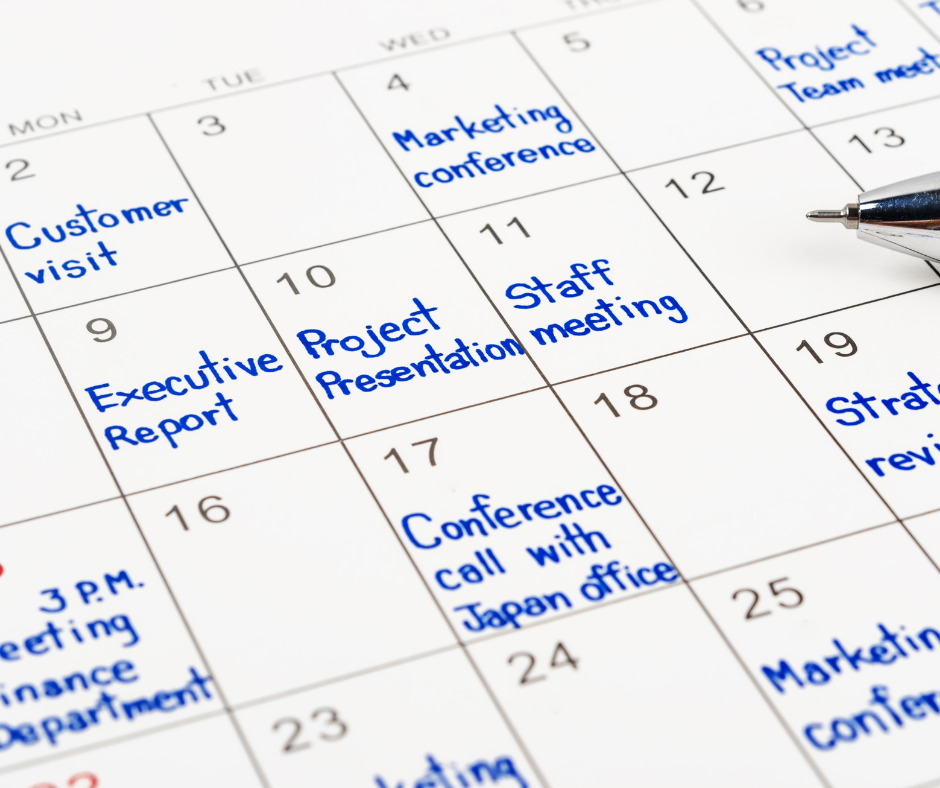
What Your Calendar Tells Me About You

Before I get started I just wanted to share an amazing review of this podcast that I just saw.  The reviewer, PaladinGirl89, wrote:

“I am so grateful I stumbled upon Dawn Goldberg on LinkedIn.  I read one of her posts and thought, ‘She is describing my life.’  As a seasoned CPA with over 30 years of experience, I was getting tired of the stress and overwhelm that was affecting not only myself, but my family and friendships.  With Dawn’s guidance and my listening faithfully to her fabulous podcast, I am well on the road to enjoying my career again!”

Isn’t that amazing?!  Thank you so much PaladinGirl89.  Since I have no way of knowing your first and last name, if you are listening, I would like to offer you a free 30 minute coaching session for taking the time to write that review.  Please email me at dawn@thesmarteraccountant.com and we’ll get something booked on the calendar.

And for anyone else who would be kind enough to leave a review of this podcast, all you need to do is take a screen shot of the review, email it to me at dawn@thesmarteraccountant.com, and I’ll also offer you a free 30 minute coaching session!

Have you ever looked at your calendar and felt a little anxious? Maybe it’s full of meetings, tasks, reminders, and color-coded blocks… or maybe it’s mostly blank and you’re not even sure what your plan is for the week.

The funny thing is, most people don’t give their calendar much thought. It’s just where you put things you need to remember, right? Like meetings or deadlines or dentist appointments.

But here’s the truth no one talks about—your calendar actually says a lot about you. Not just what you’re doing, but how you’re thinking. And sometimes, it’s not saying what you think it is.

The way your calendar looks isn’t random. It’s shaped by your choices, your habits, and even how you feel about time. You might think it’s just a tool, but it’s more like a map of what you believe is important.

If you’re always busy, your calendar probably shows it. If you’re always behind, it shows that too. It doesn’t lie. It quietly tells a story about what you’re dealing with—and what you might be avoiding.

Sometimes it’s not even about what’s on your calendar, but what’s missing. No space for breaks. No time to think. Nothing for yourself. And yet you wonder why you feel so stretched.

It’s easy to believe we’re just doing our best to stay organized. That the chaos or the overload is just part of being busy. But if we’re honest, our calendars usually reveal more than we’d like to admit.

As a time management coach for accountants, I find peaking at my client’s calendars can be as personal as looking through their bedroom closet.  I see the good, the bad, and the ugly.

And I’ll be honest – I’ve had moments where I looked at my own calendar and thought, “No wonder I’m exhausted.” It wasn’t just what I had planned—it was what I wasn’t planning that made things worse.

If you’ve ever felt overwhelmed or like there’s never enough time, your calendar might be showing you why. And that’s not a bad thing. It’s actually a good place to start.

There’s something powerful about looking at your calendar with fresh eyes. It helps you see what you’ve been prioritizing, even if it wasn’t on purpose.

So the next time you feel stuck, overbooked, or behind, don’t just blame your workload. Take a look at your calendar. What is it quietly telling you?

And more importantly—what would you want it to say instead?

Why Most Accountants Struggle With Their Calendar Without Realizing It

For a lot of accountants, if we’re being completely honest, the calendar is more of a reaction than a plan. You start with a few meetings or deadlines, and before you know it, your entire week is filled in—with very little thought about what you actually need.

The problem is, most people use their calendar as a way to remember things, not as a tool to protect their time. That means you’re often responding to whatever comes your way instead of choosing how to spend your time on purpose.

You might think you’re managing your calendar, but in reality, your calendar is managing you. It’s making the decisions for you—when you’ll work, what gets your attention, and even how much space you have to breathe.

And here’s the tricky part: your calendar reveals your true priorities, even when you don’t mean it to. If you’re always booked with client work and leave no room for rest or family, it’s easy to see what’s running the show.

Most accountants don’t mean to overcommit or ignore what matters most. But without a plan that’s based on intention, your calendar ends up being shaped by urgency, pressure, or what other people want from you.

So even if it looks like you’re being productive, your calendar might be telling me a different story.

And that’s where things start to fall apart—because if you don’t take control of your calendar, it will quietly take control of you.

Let’s look at why that’s such a big problem—and how it might be affecting more than just your time.

The Real Reason Your Calendar Is Wearing You Down

When your calendar is packed from morning to night, it might look like you’re being productive—but it rarely feels that way. Instead, it often feels like you’re running behind, no matter how much you do.

Without clear boundaries built into your calendar, overworking becomes the norm. You go from one task to the next, squeezing in more than you probably should, and still feel like it’s not enough.

This is how burnout sneaks in. You start each day already tired, trying to play catch-up, and pushing important work aside to deal with what feels most urgent in the moment.

The more you let your calendar fill up without purpose, the less time you have to think clearly. There’s no breathing room, no pause, and no space to recharge. And that starts to wear on you—physically, mentally, and emotionally.

Even though you’re busy all the time, it can still feel like you’re failing. And that’s one of the hardest parts: doing so much but still feeling like you’re falling short.

The problem isn’t that you’re not working hard enough. The problem is that your calendar is working against you.

Now that we’ve talked about how it’s hurting you, let’s look at why your brain is wired to set you up this way without you even realizing it.

Why Your Brain Makes Calendar Management So Hard

Here’s something most accountants don’t realize—your brain plays a huge role in how your calendar ends up looking. It’s not just about habits or workload. It’s about how your brain is wired.

Your accountant brain loves things that feel good right away. It doesn’t like effort or decisions that take a lot of thought. So instead of planning deep work or important tasks, you fill your calendar with things that feel easy and urgent.

That’s why it’s so tempting to say yes to another meeting or a quick client request. Those are the “easy wins” your brain is looking for. The harder stuff—like planning ahead, thinking strategically, or setting priorities—gets pushed off because it takes more effort.

There’s also a part of your brain called the prefrontal cortex. It’s in charge of planning and decision-making. But when things feel urgent or stressful, that part of your brain gets pushed aside. Emotions take over, and long-term thinking goes out the window.

So when your calendar is vague or wide open, your brain doesn’t stay calm and focused. It panics. It defaults to whatever feels urgent in the moment, whether it’s checking email or putting out a fire.

Even worse, every time you make a plan and don’t follow it, your brain learns that it’s okay to break your own rules. Over time, it gets harder and harder to trust yourself to stick to a plan.

The more disorganized your calendar is, the more your brain operates in survival mode. And in survival mode, it’s nearly impossible to think clearly, stay focused, or feel in control of your time.

Now that you know what’s really going on in your brain, let’s talk about what your calendar is actually showing me about you—and how to use it as a smarter tool.

What Your Calendar Is Telling Me About You

If I took a look at your calendar, I could tell you a lot about how you’re thinking. Not because I’m a mind reader—but because your calendar doesn’t lie.

It shows me if you’re constantly putting out fires instead of working on what matters most. It shows me if you’re giving your time away without even realizing it.

It shows me if you know how to set and stick to boundaries.  It shows me if you know how to effectively prioritize or if you give into procrastination.

Your calendar tells me whether you’re making decisions in advance—or letting your day get decided for you. It tells me if your brain is planning from calm, clear thinking or reacting in survival mode.

A smarter calendar always starts with a smarter mindset. That means thinking from your future-focused brain—not the part of your brain that’s just trying to get through the day.

When you make decisions ahead of time, your calendar becomes a tool you can trust. It reflects priorities, not pressure. It protects your time instead of draining it.

If your calendar is packed, scattered, or blank, it’s telling a story. And that story is coming straight from the way you think about time, work, and yourself.

You don’t need to fill every minute—you need to make the minutes mean something. And when your calendar reflects that, everything changes.

Let me show you what this looks like in real life—through the story of a coaching client who learned to let her calendar speak for her in a whole new way.

Becoming a Smarter Accountant: Taking Back Control of Her Calendar

I once worked with a coaching client who came to me completely overwhelmed. She told me, “I don’t have time for anything right now.” Her calendar was packed, her to-do list was a mile long, and she felt like she was constantly behind.

When we looked at her calendar together, something became very clear. Almost everything on it was for someone else. Meetings, calls, client work, follow-ups—her whole week was filled with things other people needed from her.

There was no time set aside for focused work. No space to think, plan, or catch up. It was just one thing after another, all day long.

On top of that, her calendar kept changing. She’d move blocks around, squeeze things in, and stay up late trying to finish what didn’t get done. And still, she felt like she was always falling short.

As we talked, I helped her see what her calendar was really saying. It was showing her that, deep down, she believed everyone else came first. That if she just took care of everyone else’s needs, maybe she’d get to herself later.

But “later” never came.

We started shifting that mindset. She began to understand that her time was valuable, too—and that her calendar needed to reflect that. Not just in theory, but in actual time blocks that protected her priorities.

She learned to make decisions ahead of time and stopped treating her calendar like a suggestion. Little by little, things started to change.

Within a few weeks, she wasn’t just keeping up—she was actually finishing early some days. She felt more in control, less stressed, and more confident in how she spent her time.

The best part is that her calendar didn’t just look different. It felt different. And so did she.

Okay, now let me share a simple takeaway from everything we’ve talked about today.

Key Takeaway and Action Item

The key takeaway is simple—Your calendar isn’t just a schedule. It’s a mirror. It reflects your thoughts, your habits, and what you’ve been prioritizing—whether you meant to or not.

If it’s packed with back-to-back meetings, constantly shifting tasks, or large empty blocks you hope to “figure out later,” that’s not just poor planning. It’s untrained thinking. And that’s something you can change.

Smarter time management starts with managing your mind. It means planning on purpose—not out of stress, urgency, or habit—and following through with the help of a well-trained brain.

So here’s what I want you to try this week:  Take a few minutes to really look at your calendar. Ask yourself, “What is this calendar saying about me?”

Does it reflect what matters most to you? Or is it showing that your time is getting pulled in every direction?

Pick one small change. Maybe it’s blocking time for deep work. Maybe it’s removing something you don’t really need to do. Or maybe it’s just protecting your lunch break.

Whatever it is, start there. One simple change can lead to a smarter, more intentional calendar—and a whole lot more peace.

Pulling Back the Curtain

Pulling back the curtain for a moment…

There was a time when I thought the fuller my calendar was, the more successful I must be. I packed every day from morning to night—meetings, client work, errands, everything. If there was a blank space, I’d fill it. I didn’t stop to ask why. I just kept going.

In fact, I carried around one of those big leather bound planners like it was a prized bible.  It went everywhere with me as some strange badge of honor, like, “Look at me.  I’m so organized.”

But the truth was, I was drowning. I told myself I was being productive, but really, I was trying to prove I was valuable. I thought if I stayed busy enough, no one could question my worth—not even me.

What I didn’t realize at the time was that my calendar had become a burden. It was running me, not helping me. I was chasing approval, not protecting my time.

Everything shifted when I learned how to train my brain. I stopped using my calendar to prove something, and started using it to support myself. I learned how to create boundaries with time, not just fill it up.

Now, my calendar serves me. It reflects what matters, protects what’s important, and gives me space to think and breathe. And it’s not because I work less—it’s because I think differently.

If this sounds familiar, and you’re tired of feeling like your calendar is in charge, I want to help.

Start by taking The Smarter Accountant Quiz at www.thesmarteraccountant.com. It’s a quick way to see if and how you’ve been underutilizing your accountant brain which will absolutely affect how you manage your time.  

Then schedule a free 30-minute call with me at www.thesmarteraccountant.com/calendar. We’ll talk through what your calendar might be telling you—and how to make it work smarter.

And if you know another accountant who feels like their calendar is running the show, send them this episode. It might be exactly what they need to hear.

The truth is, you’re already smart. But this podcast will show you how to be smarter.

How Smarter Accountants Turn Chaos Into Clarity

Before I get started I just wanted to share that I can’t believe that this month will be three years since The Smarter Accountant book was published!  To celebrate, I’m doing something I’ve never done before—I’m hosting The Smarter Accountant Podcast Live (Virtual) Event… and you’re invited!

This will be a fun, FREE, and interactive virtual event happening on Tuesday, July 29th from 4 – 5 pm EST. Whether you’ve listened to one episode or every single one, this is your chance to meet me,  ask questions about anything I’ve covered on the podcast, get live coaching if there’s something you’re struggling with, share your thoughts or favorite episodes, and connect with other smart accountants who want to work and live better.

Plus, I’ll be raffling off some cool prizes for all in attendance!  If you’re interested, I’ll have the link to sign up in the show notes (you can register for this free event at HERE)

As an accountant, you know what it’s like to feel like your day is running you instead of the other way around. You start with a plan, but then the emails, client requests, and last-minute changes take over. Before you know it, the day is gone, and you’re left wondering what you actually got done.

I know that feeling all too well. I used to think if I just worked harder—got up earlier, skipped breaks, stayed later—I’d finally get ahead. But no matter how much I tried to keep up, I still felt behind.

The problem wasn’t my workload. It was the fact that I was spending my whole day reacting instead of deciding. In other words, I wasn’t in control of my time—my time was controlling me.

And when that happens, it feels like no matter how much you do, it’s never enough. You wake up already thinking about work, spend all day putting out fires, and by the time you shut your laptop, you’re exhausted—but somehow, your to-do list hasn’t gotten any shorter.

That’s when I realized something: the chaos wasn’t coming from how much I had to do. It was coming from not having real clarity on what actually mattered. And without that clarity, I was just bouncing from one thing to the next, feeling busy but never really making progress.

Think about it. How often do you catch yourself checking emails all day, shifting from one urgent task to another, just hoping to squeeze in time for the work that really needs to get done? How many days do you feel completely drained, even though it feels like you never stopped working?

Or maybe you’ve had one of those moments where you sit down at your desk, ready to tackle something important, only to get sidetracked by a dozen smaller things. And then, before you know it, the day is over, and that big task you meant to do gets pushed to tomorrow… again.

Now, imagine if your day felt different. Imagine knowing exactly what to focus on when you start your workday. Imagine being able to handle unexpected interruptions without feeling completely thrown off.

What if, instead of just reacting to everything coming at you, you had a clear plan that actually worked? A way to move through your day with confidence, knowing you’re getting the right things done without feeling rushed or overwhelmed?

That kind of clarity changes everything. It’s what separates accountants who feel overwhelmed from those who feel in control. And the best part is that it’s not about doing more—it’s about thinking differently.

So if you’re tired of the chaos and ready for a smarter way to work, keep listening. I can’t wait to show you what that looks like.

Why Your Work Feels Like a Never-Ending To-Do List

Have you ever noticed how no matter how much you get done in a day, there’s always more waiting for you? You cross something off your list, and somehow, two more things pop up. It’s like playing a never-ending game of whack-a-mole or like you’re running on a treadmill that never slows down.

I used to think this was just part of being an accountant. That feeling overwhelmed was normal. But the truth is, feeling constantly behind isn’t about how much work you have—it’s about how you’re approaching it.

Studies show that the average professional is interrupted every 11 minutes, and it can take up to 23 minutes to refocus afterward. Now, think about how often you’re pulled away from what you’re doing—emails, client requests, messages, last-minute changes. It’s no wonder it feels impossible to make real progress.

This is why working harder isn’t the answer. It doesn’t matter how many hours you put in if your brain is constantly bouncing from one thing to the next. Instead of making progress, you’re stuck in a cycle of reacting, shifting priorities, and trying to catch up.

And here’s what makes it even worse—when everything feels urgent, your brain can’t tell the difference between what’s important and what’s just noise. You end up spending energy on things that don’t actually move the needle, while the truly important work keeps getting pushed aside.

If you’ve ever had a day where you worked nonstop but still felt like you didn’t get anything meaningful done, this is why. It’s not about motivation or discipline—it’s how your brain is wired to respond to stress and uncertainty.

So how do you break this cycle? It starts with understanding how your brain plays a role in keeping you stuck in chaos. And once you see what’s really happening, you can start creating clarity in a way that actually works. Let’s get into that next.

The Brain Science Behind Chaos and Clarity

I know this is common for a lot of us as accountants where we feel like no matter how much we try to stay on top of things, something always pulls us in another direction. We sit down to focus, but an email comes in, a client calls, or a last-minute request pops up, and suddenly, our whole plan is out the window.

The truth is that your brain isn’t trying to sabotage you—it actually thinks it’s helping. It craves certainty, and when things feel chaotic, it looks for the quickest way to create order. That’s why you feel the pull to check emails, answer messages, or handle whatever is in front of you.

I’ve mentioned this before on the podcast, but it’s called the Mere Urgency Effect. Your brain gets tricked into focusing on whatever feels most urgent, even if it’s not actually the most important thing. It’s why responding to emails or fixing small issues can feel productive, even though it keeps you from doing the work that really matters.

The problem is, the more you react, the more overwhelmed you feel. And the more overwhelmed you feel, the harder it is to see the big picture. Your brain goes into survival mode, prioritizing whatever seems like a quick win instead of slowing down to make intentional decisions.

This is why I teach my coaching clients how to make decisions in advance.  It’s so incredibly powerful because when you decide ahead of time what actually matters, you take control of your focus instead of letting urgency take over. It’s the difference between leading your day and being pulled in a million directions.

But here’s the tricky part—when you’re in the middle of the daily grind, your brain resists slowing down to plan. It convinces you that you don’t have time, that you just need to power through. And that’s exactly how you stay stuck in the cycle of chaos.

So what does it actually look like to break free from this? Let’s talk about what chaos versus clarity really looks like in your workday.

The Smarter Way to Turn Chaos Into Clarity

See if you can relate to this – you’re having one of those days where your to-do list is packed, but by the time you log off, it feels like you barely made a dent. You worked all day, handled a hundred different things, but somehow, the most important tasks didn’t get done.

That’s what chaos looks like for us as accountants. It’s not just a packed schedule—it’s the feeling that our time isn’t really ours. We’re constantly reacting to emails, shifting priorities, and handling one urgent thing after another. We’re busy all day but somehow still feel behind.

Chaos sounds like:

“Let me just check my email real quick before I start.”

“I’ll get back to that important task as soon as I finish these quick things.”

“I don’t have time to stop and plan—I just need to get through today.”

And it looks like:

Checking emails all day long instead of setting dedicated times to respond.

Dropping whatever you’re working on as soon as someone asks for something.

Constantly feeling like you’re multitasking but never making real progress.

Ending the day exhausted, knowing you worked hard but unsure what you actually accomplished.

Now, let’s talk about the Smarter Accountant way—what clarity actually looks like and why it changes everything. Clarity doesn’t mean your workload disappears or that no one ever interrupts you. It means you know exactly what matters, you’ve made decisions ahead of time, and you aren’t letting other people’s demands dictate your day.

Clarity sounds like:

“I know what I need to work on first, and I’m sticking to it.”

“I don’t need to check my email every five minutes—my real priorities come first.”

“If I get interrupted, I know how to get back on track.”

And it looks like:

Starting your day knowing exactly what the top priority is instead of figuring it out as you go.

Setting clear times to check emails instead of letting them take over your focus.

Saying, “Let me get back to you” instead of immediately stopping what you’re doing.

Finishing the day knowing you made progress on the things that actually matter.

Most accountants assume they don’t have time to create clarity. They think if they stop reacting to everything immediately, things will pile up, or they’ll fall behind. But that’s the biggest myth keeping them stuck in chaos.

The smarter way isn’t just about working differently—it’s about managing your brain differently. It’s about shifting from reacting to leading, from feeling overwhelmed to knowing exactly where your time should go. 

But next I want to clear something up and explain why clarity doesn’t mean a perfect day.

Why Clarity Doesn’t Mean a Perfect Day

When you create clarity, it doesn’t mean every minute of your day will go exactly as planned. Clients will still need things, emails will still pop up, and unexpected issues will still happen.

But here’s what changes: instead of feeling completely thrown off, you’ll know exactly what to come back to. You’ll have something steady guiding you, even when things don’t go the way you expected.

Without clarity, every interruption feels like you’re losing control of your day. With clarity, an interruption is just a small pause, not a total derailment.

It’s easy to think that planning is only worth it if everything goes perfectly, especially in a profession like ours that encourages perfectionism. But that’s one of the biggest myths that keeps accountants stuck in chaos.

Planning isn’t about perfection; it’s about creating a roadmap you can return to no matter what. It gives you a way to stay grounded, even when your day gets messy.

The real power of clarity isn’t in having a flawless schedule or never getting interrupted. It’s in knowing how to refocus, recover, and still make meaningful progress by the end of the day.

That’s the smarter way to work, and that’s what helps turn a chaotic day into a day you can feel proud of.

Let me share a story about a coaching client who realized that once she started thinking differently, everything changed.

Becoming a Smarter Accountant: Learning To Turn Chaos Into Clarity

I worked with an accountant who was convinced that there was just too much work and not enough time. She told me, “I start my day early, I barely take a break, and I work late if I have to, but somehow, I still feel behind.” She thought if she could just get a little more efficient, she’d finally catch up.

But here’s what was really happening. She was stuck in reaction mode. She started each day by checking emails, thinking it would help her get ahead, but instead, it pulled her into everyone else’s priorities. She would drop whatever she was working on anytime a client or coworker needed something, and by the time she got to her actual work, she was mentally exhausted.

She told me, “I feel like my entire day is spent putting out fires. I can’t get ahead because I never know what’s coming next.” And because she was constantly shifting between tasks, she never had enough focused time to do deep, meaningful work. She was exhausted, but she wasn’t getting the results she wanted.

When we started working together, I didn’t give her a long list of time management tricks. Instead, I helped her see what was really going on. She wasn’t in control of her time because she wasn’t deciding what was important before her day started. Instead of leading her work, she was letting her work lead her.

At first, she was skeptical. She didn’t think she had the luxury of stepping back and creating clarity. But once she realized how much time she was losing by constantly switching tasks and reacting, she was willing to try something different.

We focused on small but powerful shifts. For example, she started making decisions about her day before she checked her email. 

She set a clear priority for the first few hours of work, only checking messages during set times instead of letting them dictate her schedule. She also stopped saying yes to everything immediately, giving herself time to assess whether something truly needed her attention right away.

Within a few weeks, everything changed. She told me, “I’m still busy, but I don’t feel like I’m drowning anymore. I actually know what I got done at the end of the day instead of just feeling like I ran in circles.” She was no longer reacting to chaos. She was in control of her work.

The best part is that this shift didn’t require working harder or adding more hours to her day. It wasn’t about a better to-do list or another time management trick. 

It was about using the Smarter Way—understanding how her brain was keeping her stuck and learning how to take control of her focus instead of letting her day run her. And that made all the difference.

Let’s wrap up with the key takeaway and a question to think about.

Key Takeaway and Action Item

The key takeaway from this episode is that the difference between chaos and clarity isn’t about how much work you have. It’s about how you approach it. 

Most accountants assume that if they just work harder, they’ll finally get ahead. But as we’ve seen, reacting all day doesn’t create progress—it just creates exhaustion.

Your brain will always try to focus on what feels urgent in the moment. It’s wired that way. But urgency doesn’t always equal importance. 

The smartest accountants don’t let their day control them. They take charge by deciding in advance what actually matters.

That shift—from reacting to leading—is what changes everything. It’s what turns endless to-do lists into clear priorities. It’s what makes the difference between always feeling behind and finally feeling in control.

So for this week, ask yourself, “Am I running my day, or is my day running me?”

If your work feels like an endless game of catch-up, maybe it’s time to stop trying to do more and start thinking differently. 

Pulling Back the Curtain

Pulling back the curtain for a moment…

There was a time when I thought feeling overwhelmed was just part of the job. I’d start the day with a plan and high hopes—and then everything would go sideways. Emails would start pouring in, someone would stop by with a “quick question,” and before I knew it, it was 4 p.m. and I hadn’t even touched the one thing I said I’d get done.

The worst part wasn’t the work—it was the constant feeling that my time wasn’t mine. That I was always reacting, always behind, always just one step away from catching up… but never quite there.

I used to think the solution was better time management tools or more efficient checklists. But what I really needed was clarity. I didn’t need another productivity hack—I needed to understand what actually mattered and how to stay focused on it.

For me, the shift happened when I stopped letting my inbox, my clients, and my to-do list dictate my day. I started deciding in advance what I would focus on and when. I began protecting my focus like it was my most valuable asset—because it was.

If you can relate to what I’m sharing and you’re feeling like you’re always busy but never making progress, I want you to know—there’s a smarter way.

Start by taking The Smarter Accountant Quiz at www.thesmarteraccountant.com. It’ll help you get clear on how your brain might be creating more chaos than clarity—and how to shift that.

And if you’re ready to step out of constant reaction mode and into the kind of focus that actually gets things done, book a free 30-minute call with me at www.thesmarteraccountant.com/calendar. You don’t have to figure it out alone.

And if this episode helped you see things differently, would you mind sharing it with another accountant? We all need to hear that chaos isn’t just normal—and it definitely isn’t permanent.

The truth is, you’re already smart. But this podcast will show you how to be smarter.

When Your Time Management Math Isn’t Math-ing

Before we get into today’s episode, I want to let you know about an upcoming CPE class you won’t want to miss. It’s called “How to Train Your Accountant Brain,” and it’s happening on Friday, July 11th at 12 pm EST.

My CPE classes are different than any you’ve taken because I blend accounting with brain science.  You’ll learn how your brain actually works as an accountant and how to train it to work smarter, not harder.

You can simply register at thesmarteraccountant.com/cpe. I’ll be offering it on July 11th and then one more time in July, so don’t miss out.  I’d love to see you there!

As we all know as accountants, time is one of those things we can’t make more of, but we all keep trying. We cram our schedules, shuffle tasks around, and hope everything magically gets done.

But have you ever noticed how often it doesn’t work out? Somehow, even with the best intentions, there’s always a pile of unfinished work waiting for “later.”

It’s frustrating, isn’t it? You plan your week, you block off time, and yet by Friday, you’re left wondering, “What happened?”

The truth is, most of us accountants think we’re great at managing our time, but the results tell a different story. It’s like planning a budget with Monopoly money—it looks good on paper, but it doesn’t work in real life.

What if I told you the problem isn’t you? What if it’s the way your brain works when it comes to time?

We think of time as a fixed resource, but how we handle it depends on things like how we estimate tasks and make decisions. And it’s important to understand that our brains aren’t exactly built to be accurate when it comes to time management.

For example, have you ever thought something would take an hour, only to find yourself still working on it three hours later? Or have you planned your day, only to feel derailed by emails, interruptions, and random distractions?

Here’s what I tell my time management coaching client all the time, “Time management is math, it’s not drama.  But when the math isn’t math-ing, we have to take a closer look.”

In other words, when the math doesn’t add up, it’s not just stressful—it’s a sign that something deeper is happening. And the good news is that you’re not alone, and it doesn’t have to stay this way.

So why does it feel like you’re always running out of time? Why is it so easy to overestimate what you can do and underestimate how long things will take?

Most importantly, what can you do to change this cycle? How can you stop feeling like you’re constantly playing catch-up?

If you’ve ever felt like your time management math isn’t adding up, you’re in the right place. Let’s figure out why—and what you can do to start making it work for you instead of against you.

Why Your Time Management Math Isn’t Math-ing

Let’s start with why it feels like your time never adds up the way you planned. It’s not because you’re bad at managing your time—it’s because most of us approach time like it’s flexible when it’s not.

Think about it. Have you ever started your day with a perfectly planned to-do list, only to realize by lunchtime that half your morning was spent answering “just one quick email” or putting out an unexpected fire? It’s not that you didn’t try—it’s that you probably didn’t account for everything that happens between those tasks.

Interruptions, like a coworker needing urgent advice or a client call running longer than expected, can derail even the best-laid plans. Transitions, like switching from preparing a tax return to responding to emails, take mental energy that we often forget to factor in.

Another sneaky issue is how we plan. For example, imagine budgeting one hour to finish a financial report, but midway through, you realize the data you need is incomplete, requiring additional back-and-forth emails. 

Or maybe you assume you can finish client reviews in two hours, forgetting that you also need to review supporting documents. It’s like packing for a trip and discovering that everything you need just won’t fit in your suitcase.

When this happens day after day, it creates a frustrating cycle. You carry unfinished tasks into the next day, fall behind, and feel like you’re always playing catch-up.

But here’s the real problem: it’s not just about poor planning. A lot of this comes down to how our brains are wired to think about time.

Understanding why your brain struggles with time is the first step to fixing the problem. And that’s exactly what we’ll dive into next. Let’s talk about what’s really happening in your brain when your time management math isn’t math-ing.

The Brain Science Behind Why the Math Doesn’t Add Up

Let’s talk about what’s really going on in your brain when your time management feels off. Believe it or not, your brain isn’t designed to handle time the way you think it should.

One big culprit is something called the planning fallacy. It’s a term coined by researchers Daniel Kahneman and Amos Tversky, who found that people consistently underestimate how long tasks will take—even when they have experience doing those tasks. This happens because the brain focuses on the best-case scenario while ignoring potential obstacles.

Then there’s decision fatigue. Research by Dr. Roy Baumeister shows that every choice you make during the day drains your mental energy. By the afternoon, your ability to make effective decisions is significantly reduced, which is why tasks that felt manageable in the morning can feel overwhelming later.

Your brain also struggles with focus and prioritization because of a bias called the Mere Urgency Effect. This concept, studied by researchers Zhang and Feng, explains why we prioritize tasks that feel urgent, even when they’re not important. The brain seeks instant relief from the stress of urgency, often at the expense of long-term goals.

And let’s not forget energy fluctuations. Research shows that our brain operates in cycles of focus and fatigue, known as ultradian rhythms. Ignoring these natural peaks and valleys in energy often leads to over-scheduling and burnout.

The truth is that the way your brain processes time is meant to be efficient, not precise. It tries to save energy by using shortcuts, which often leads to plans that don’t reflect reality.

But here’s the good news: once you understand how your brain works, you can start working with it instead of against it. And that’s where the real magic happens.

So, how do you use this understanding to make your time management math finally work? Let’s look at how to turn these brain quirks into strategies that help you, not hold you back.

What to Do When Your Time Management Math Isn’t Math-ing

The first step is to shift the way you think about time. Instead of trying to fit more into your day, focus on working with the time you already have. It’s not about doing everything—it’s about doing the right things at the right time.

Start by paying attention to how you plan your time. Most of us make plans based on what we hope we can accomplish, not what’s realistic. The goal is to create a plan that feels doable, not overwhelming.

Another key is to get honest about the time you need for each task. It’s easy to underestimate how long something will take, but when you give yourself a little extra breathing room, everything changes. You stop feeling behind and start feeling in control.

It’s also important to prioritize your mental energy. Not all hours of the day are created equal, and you need to align your most important tasks with the times when your focus is strongest. When you start respecting your natural rhythms, your productivity improves without extra effort.

And finally, start questioning the stories your brain tells you about your time. Thoughts like, “I’ll never catch up” or “There’s not enough time” create stress that slows you down. Instead, ask yourself, “What’s the most important thing I can focus on right now?”

When you start working with your time and your brain instead of fighting against them, everything shifts. You stop feeling like there’s never enough time and start feeling like you’re in control of your day.

But understanding what to do is only the beginning. The real transformation happens when you learn how to apply these ideas in your daily life. Let’s explore how working with your brain, rather than against it, can make all the difference.

Why Working With Your Brain Changes Everything

Here’s the thing: your brain is incredibly powerful, but it’s also a little stubborn. It likes shortcuts and familiar patterns, even when they’re not working for you. That’s why so many time management strategies fall flat—they don’t take into account how your brain actually operates.

When you work with your brain, you stop forcing yourself to fit into systems that don’t feel right. Instead, you create strategies that align with how you naturally think, focus, and make decisions. It’s like switching from swimming against the current to letting the current carry you where you want to go.

One of the biggest benefits is that you start using your mental energy more effectively. You stop wasting time on things that drain you and start focusing on what truly matters. This isn’t just about getting more done—it’s about doing the right things in a way that feels manageable.

That’s exactly what The Smarter Accountant Time Management Program is designed to help you with. The program will show you how to identify where your time is slipping through the cracks, plan in a way that works for your brain, and prioritize what really matters without feeling overwhelmed. 

It’s about learning how to create time for your most important tasks while still having space for the things and people you love.

This isn’t a one-size-fits-all system. It’s tailored to help you discover what works for you as an accountant and as a person. Whether you’re struggling with endless to-do lists, interruptions, or constantly feeling behind, this program gives you the tools to turn it around.

The best part is that once you understand how your brain works, you’ll start noticing opportunities to save time and reduce stress everywhere. You’ll build confidence in your ability to manage your workload, no matter how demanding it gets.

But don’t just take my word for it. Let me share the story of one of my clients who transformed her time management—and her career—by learning how to work with her brain instead of against it.

Becoming a Smarter Accountant: Getting The Time Management Math to Start Math-ing

One of my clients came to me feeling completely overwhelmed. She was drowning in deadlines, constantly playing catch-up, and convinced she was just “bad at time management.” No matter how many hours she worked, it felt like there was always more to do, and she was exhausted.

During one of our sessions, we uncovered that she was underestimating how long her tasks would take and overcommitting herself daily. She planned her day as though interruptions didn’t exist, leaving no room for the unexpected. 

This wasn’t because she wasn’t trying hard enough—it was because her brain was working against her without her realizing it.  We focused on understanding how her brain processes time and why her approach wasn’t working. 

She started tracking how long her tasks actually took and learned to build realistic plans that accounted for her natural energy levels. Instead of feeling like she had to get it all done at once, she began prioritizing the most important tasks and letting go of what wasn’t essential.

Within weeks, she noticed a huge shift. She no longer felt like she was running a marathon every day. 

For the first time in years, she ended her workday feeling accomplished instead of defeated. By learning to work with her brain, she gained control over her time and her confidence.

This client’s story is just one example of what’s possible when you stop trying to force traditional time management systems to fit your life. It’s about discovering what works for you, as the unique person and professional you are.

The same tools and strategies that helped her can help you too. But the key is understanding that it’s not about fixing you—it’s about fixing the approach.

Now let’s wrap up with the key takeaway from today’s episode and an action you can take this week to start making your time management math work.

Key Takeaway and Action Item

The key takeaway from today’s episode is simple: your time management math isn’t broken because of you—it’s broken because of the way most accountants approach time. 

When you start working with your brain instead of fighting against it, everything changes. You stop feeling like there’s never enough time and start feeling in control of your day.

Your brain wants to take shortcuts, prioritize urgency over importance, and underestimate how long things take. But once you understand how your brain works, you can use that knowledge to create a time management system that fits you, not the other way around.

Here’s your action item for this week: choose one task you have to do and track how long it actually takes from start to finish. Then, compare that to how long you thought it would take. 

Just noticing the gap between your estimate and reality can help you start planning your time more effectively.

Pulling Back the Curtain

Pulling back the curtain for a moment…

I used to get so frustrated with myself. I’d sit down at the beginning of the week, map out my to-dos, block off time, and feel like I had it all figured out. But by midweek? The wheels were already coming off.

I’d end the day wondering, “Where did the time go?” I had the plan. I had the motivation. I even had color-coded time blocks. But the math never added up.

The turning point came when I realized I wasn’t doing anything wrong—I just wasn’t planning for how my brain actually works. I wasn’t factoring in the transitions, the interruptions, the mental fatigue. I was creating idealistic schedules and then beating myself up when I couldn’t keep up with them.

One day, after rescheduling the same task for the fourth time that week, I caught myself thinking, “I guess I’m just not good at time management.” But deep down, I knew that wasn’t true.

That’s when I started tracking how long things really took. And let me tell you—my “30-minute” tasks were actually taking 90. Once I started working with my brain instead of against it, everything changed. I stopped trying to squeeze my life into a system that wasn’t built for me. I built something that worked with me.

If this episode hits home for you, I want to say this—you’re not lazy, and you’re not bad at time management. You’re just using math that doesn’t match how your brain actually works. But that’s something we can fix.

Start by taking The Smarter Accountant Quiz at www.thesmarteraccountant.com. It’ll help you understand where you are underutilizing your accountant brain and what that shows up as in your career and your life.

And if you want help putting all the pieces together in a way that works for you, book a free 30-minute call with me at www.thesmarteraccountant.com/calendar. I’ll show you how to stop playing catch-up and start building real momentum.

And if this episode gave you even one helpful insight, would you mind sharing it with another accountant? This is the stuff we were never taught—but we absolutely need to know.

The truth is, you’re already smart. But this podcast will show you how to be smarter.